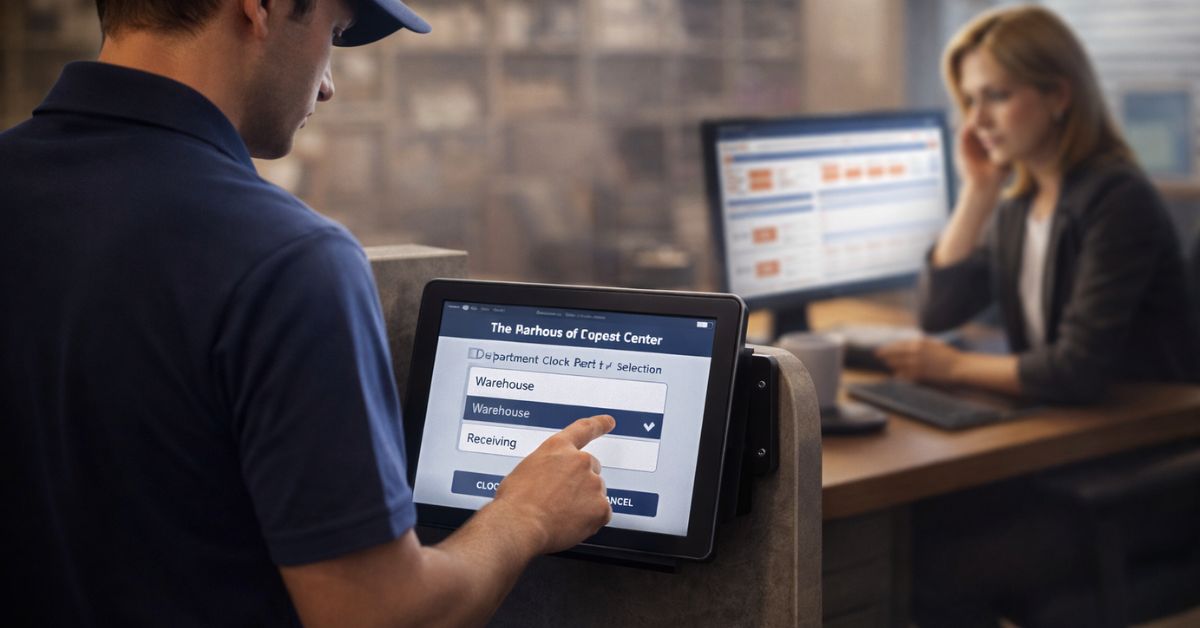
Companies aren’t ditching their traditional time clocks they’re building on them. Learn how tablet-based solutions like CloudApper hrPad are quietly transforming workforce management with added flexibility, AI-powered features, and seamless self-service all without disrupting what’s already working.

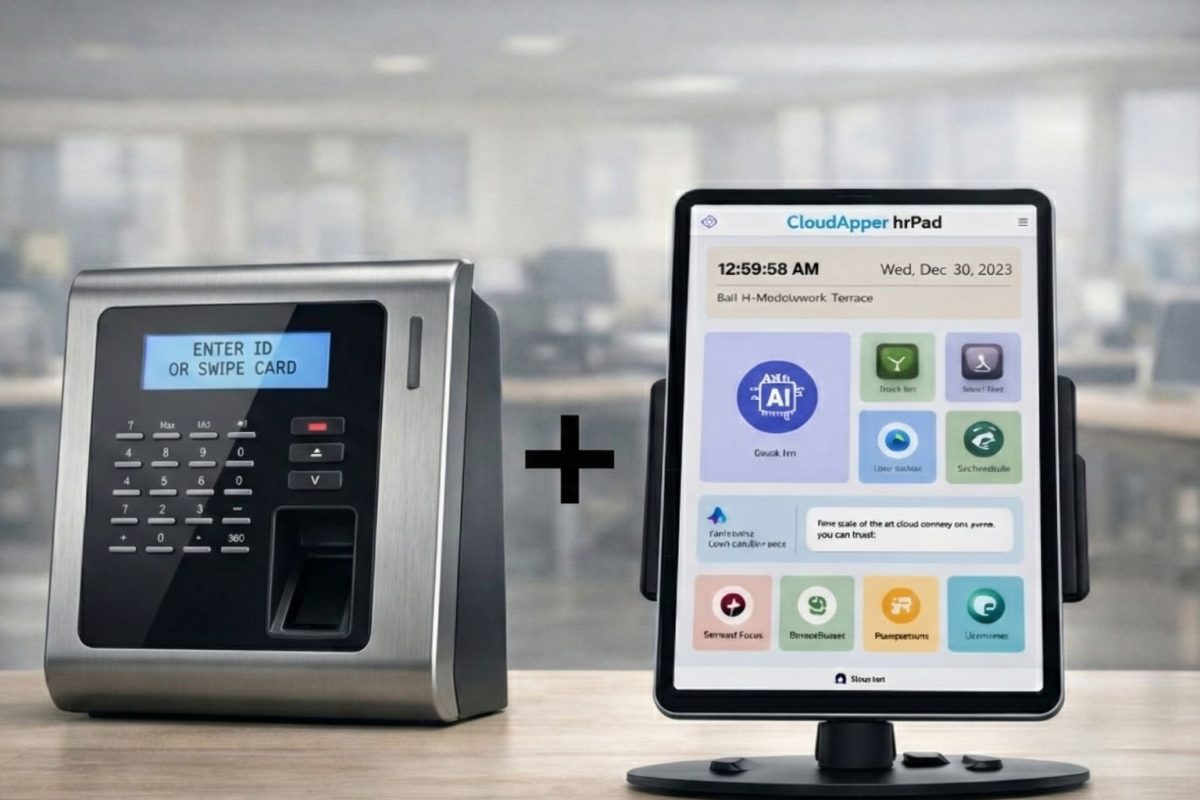
Table of Contents
You probably haven’t seen a big headline or breaking announcement about it but across industries, something subtle but significant is happening. Companies that once relied heavily on traditional time clock hardware are quietly moving on. No press releases. No big tech retirement tours. Just a growing number of operations managers, HR leads, and IT teams who are rethinking whether it makes sense to keep investing in fixed-function, high-maintenance terminals for employee time tracking.
Rather than rip and replace their existing time clock infrastructure, many companies are starting to extend it. They’re adding tablet-based time clock solutions alongside traditional terminals. And once they see the added flexibility and functionality, they rarely go back.
This isn’t about ditching what works. It’s about modernizing around it.
Why Extend Instead of Replace?
Let’s be clear traditional time terminals have earned their place. They’ve helped companies track hours, manage compliance, and streamline payroll for years. But they’re also limited. Most are fixed-function devices that require hardware refreshes, specialized servicing, and little room for customization.
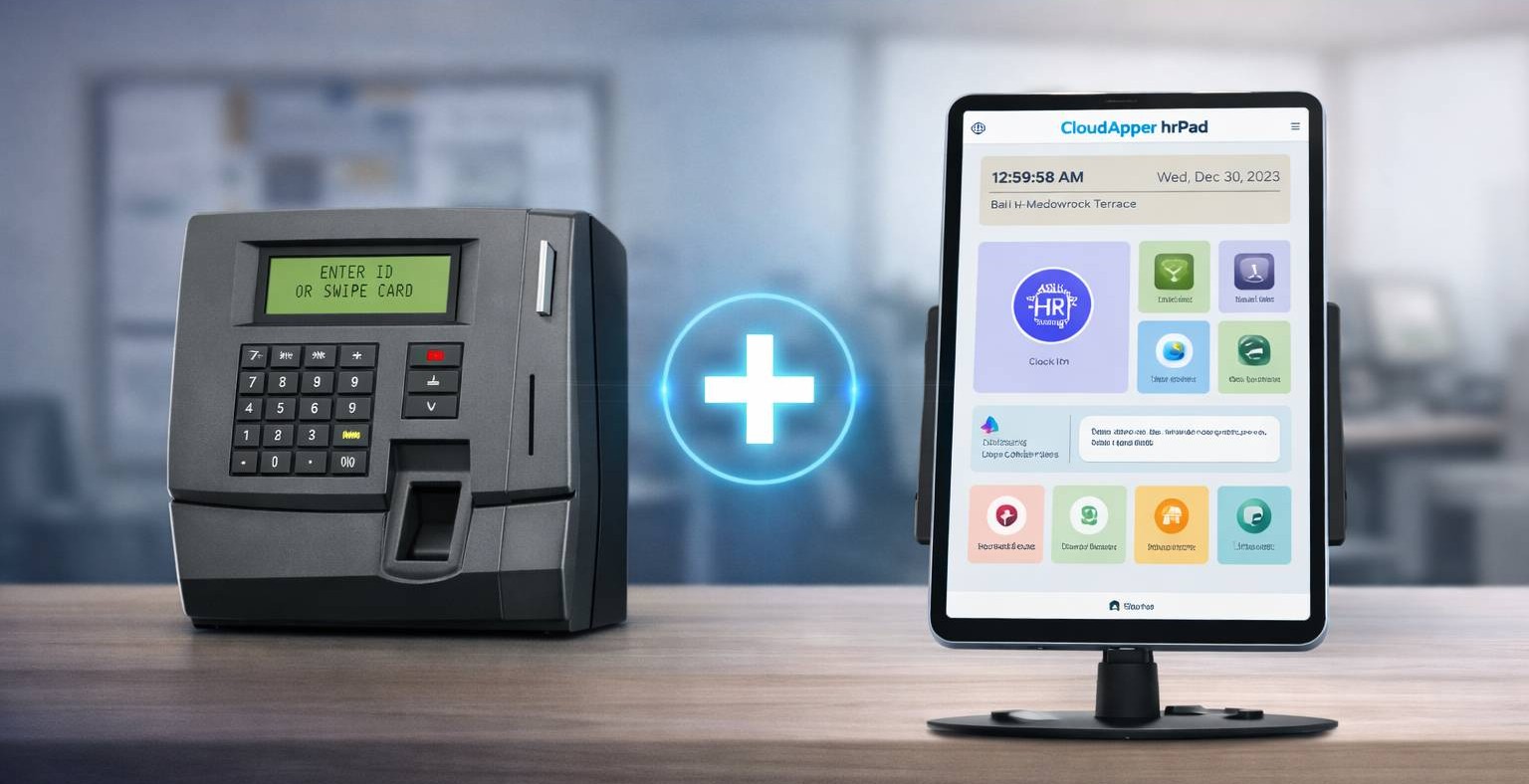
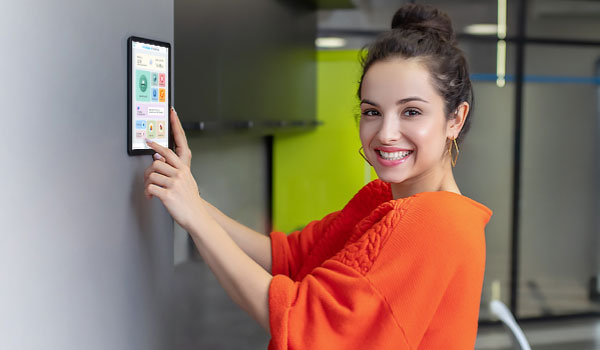
That’s where tablets come in. With the right software, a simple iPad or Android device becomes a modern time clock capable of everything from facial recognition and job transfers to PTO requests and wellness surveys. Solutions like CloudApper hrPad are turning tablets into powerful self-service stations, right next to or even in place of legacy terminals.
“Organizations aren’t replacing their entire setup overnight,” “They’re extending what they have with tablet-based systems to fill in the gaps especially where flexibility, mobility, and cost are concerns.”
– explains Jalen Ross, a workforce systems analyst.
Where Traditional Terminals Fall Short, Tablets Step In
The biggest appeal? Adaptability. Need to roll out a new location quickly? Tablets are ready in hours not weeks. Want to add a compliance attestation during clock-out or push a wellness survey during shift changes? Done with no firmware update or IT ticket required.
And perhaps most importantly, these tablet-based systems feel modern. Employees already know how to use them. They’re intuitive, responsive, and even conversational when powered by AI.
Tablet Time Clocks Are Doing More Than Just Replacing Punches
Time capture is just the beginning. Platforms like hrPad go well beyond basic clock-in/out functionality. They’re extending HR services to the frontline things that used to require an HR admin or portal login.
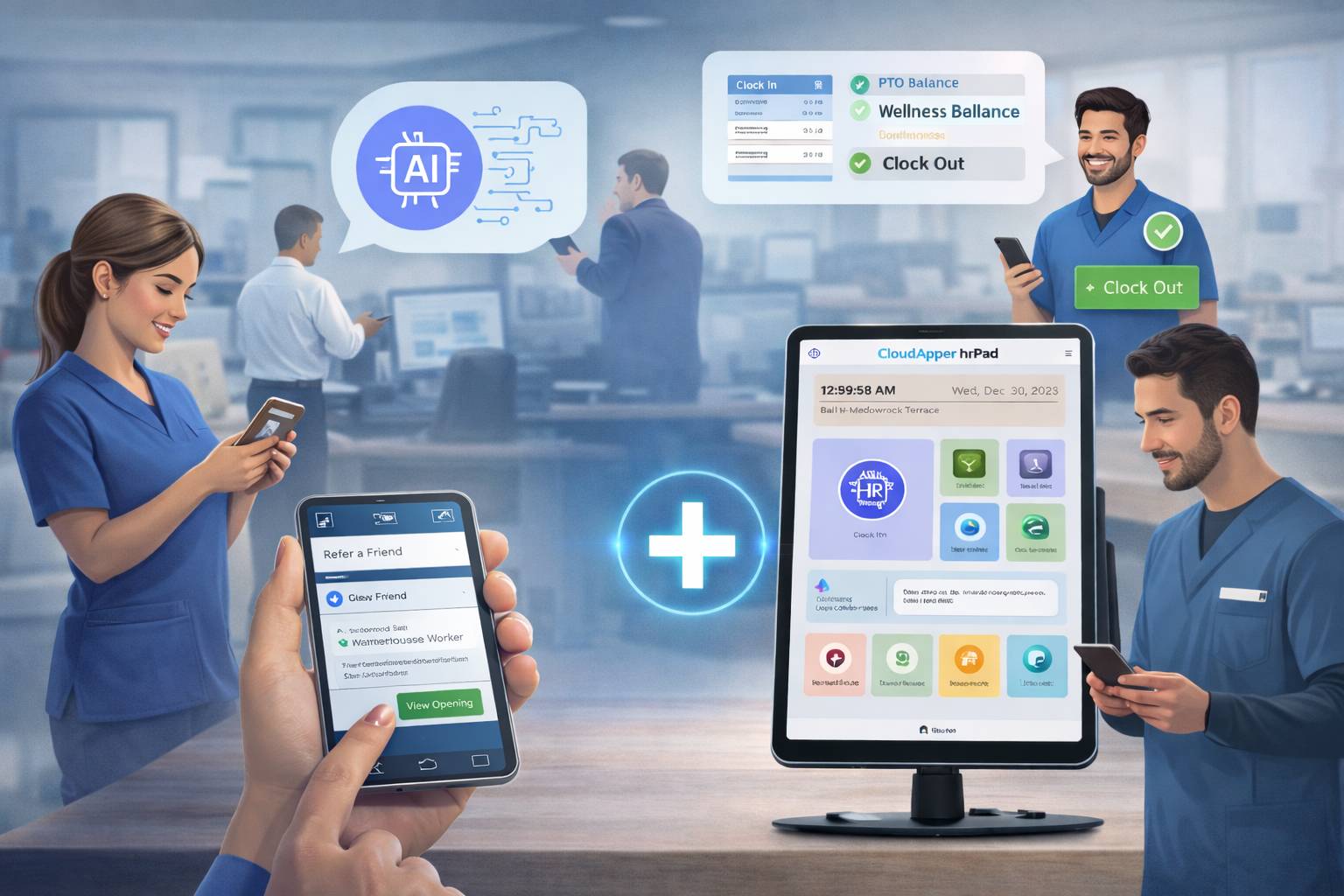
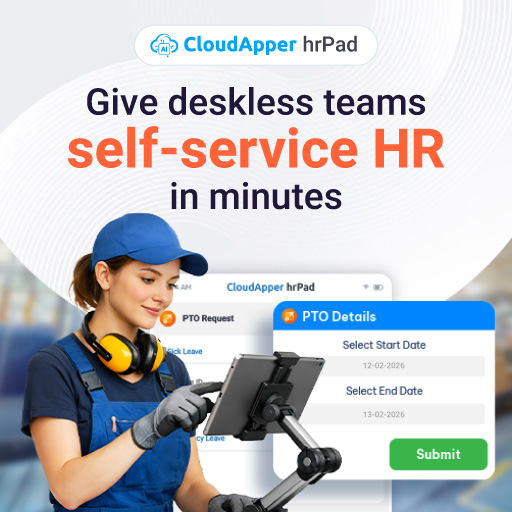
Need to check your accrual balance? Request a day off? Refer a friend to an open job? With hrPad, employees can do it all on the same device they use to punch in. Some organizations are even integrating AI assistants directly into the experience so questions about policies, benefits, or scheduling get instant answers, without bogging down the HR team.
The result? A more responsive, employee-friendly system that complements the existing one.
A Phased, Low-Risk Path to Modernization
The best part is that this shift doesn’t require a massive investment up front. Companies can start by piloting tablet-based solutions at one or two locations alongside their traditional terminals. From there, they can scale gradually based on results, employee feedback, and operational needs.
That’s why this trend feels so natural. It’s not a forced upgrade. It’s an evolution.
Blended Environments Are the Future
For many organizations, the future isn’t about choosing between traditional and tablet it’s about blending both. Fixed terminals can stay in place where they’re needed most, while tablets extend time tracking and HR access wherever it makes sense to do so.
It’s a quieter shift. But it’s also a smarter one.
Because when your time clock strategy starts adapting to your workforce instead of the other way around you’re not just tracking hours. You’re building a better employee experience.
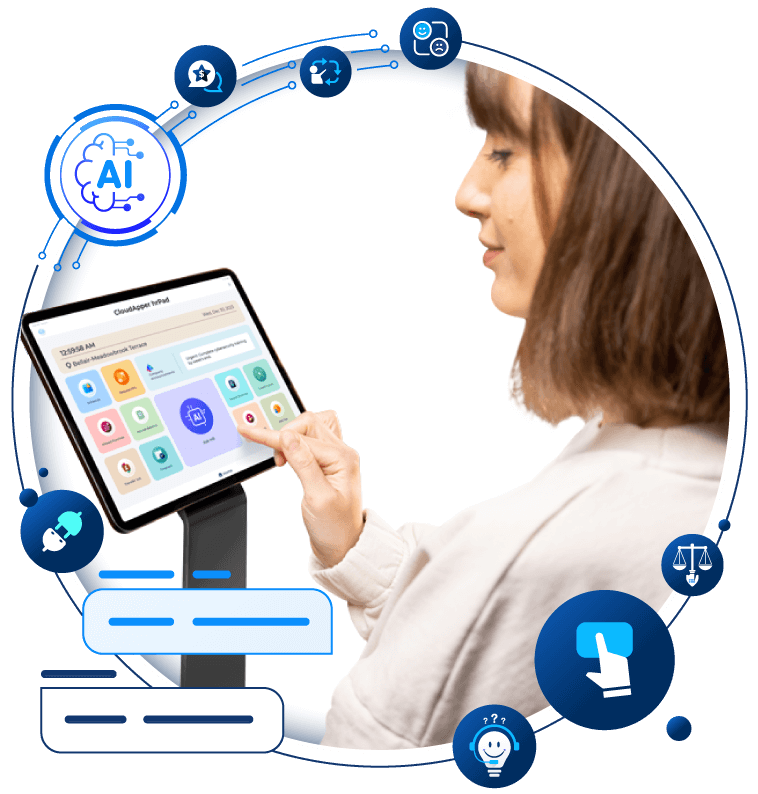
Transform Your Employee Experience With AI Tools for hrPad
Employee Self-Service tools to automate accessibility and time management.
Learn more | Download BrochureFrequently Asked Questions
Why are organizations adding tablet-based time clock solutions instead of replacing traditional terminals?
Many organizations are extending rather than replacing their existing time clocks to avoid disruption. Tablet-based solutions add flexibility, reduce hardware costs, and provide modern features like facial recognition, attestation, and self-service access—all while complementing legacy systems.
Can tablet-based time clocks like CloudApper hrPad integrate with existing HCM platforms?
Yes. Solutions like CloudApper hrPad are designed to integrate seamlessly with leading HCM and workforce management systems such as UKG Ready, UKG Dimensions, and others. This ensures real-time data sync for time capture, scheduling, PTO, and more.
Do tablet-based time clocks require special hardware?
No. One of the main advantages is that they run on standard iOS or Android tablets. This makes them significantly more affordable and easier to deploy compared to proprietary time clock hardware.
Is it secure to use tablets for employee time tracking?
Yes. Tablet-based solutions can leverage secure authentication methods such as PIN codes, QR codes, and even biometric facial recognition. Additionally, they can enforce compliance requirements and prevent time theft through built-in safeguards.
What features do tablet-based time clocks offer beyond punch-in/out?
In addition to time tracking, modern tablet solutions like hrPad provide self-service access to schedules, accruals, PTO requests, job transfers, AI-based HR support, employee surveys, and more—turning the device into a full-service HR kiosk.

What is CloudApper AI Platform?
CloudApper AI is an advanced platform that enables organizations to integrate AI into their existing enterprise systems effortlessly, without the need for technical expertise, costly development, or upgrading the underlying infrastructure. By transforming legacy systems into AI-capable solutions, CloudApper allows companies to harness the power of Generative AI quickly and efficiently. This approach has been successfully implemented with leading systems like UKG, Workday, Oracle, Paradox, Amazon AWS Bedrock and can be applied across various industries, helping businesses enhance productivity, automate processes, and gain deeper insights without the usual complexities. With CloudApper AI, you can start experiencing the transformative benefits of AI today. Learn More
Brochure
CloudApper hrPad
Empower Frontline Employees with an AI-Powered Tablet/iPad Solution
Download Brochure
CloudApper AI Solutions for HR
- Works with


- and more.






Similar Posts
Driving Frontline Inclusion: Bilingual HR Policy Access with CloudApper hrPad
Solving the Deskless Divide: How Frontline-First HR Design Empowers the…