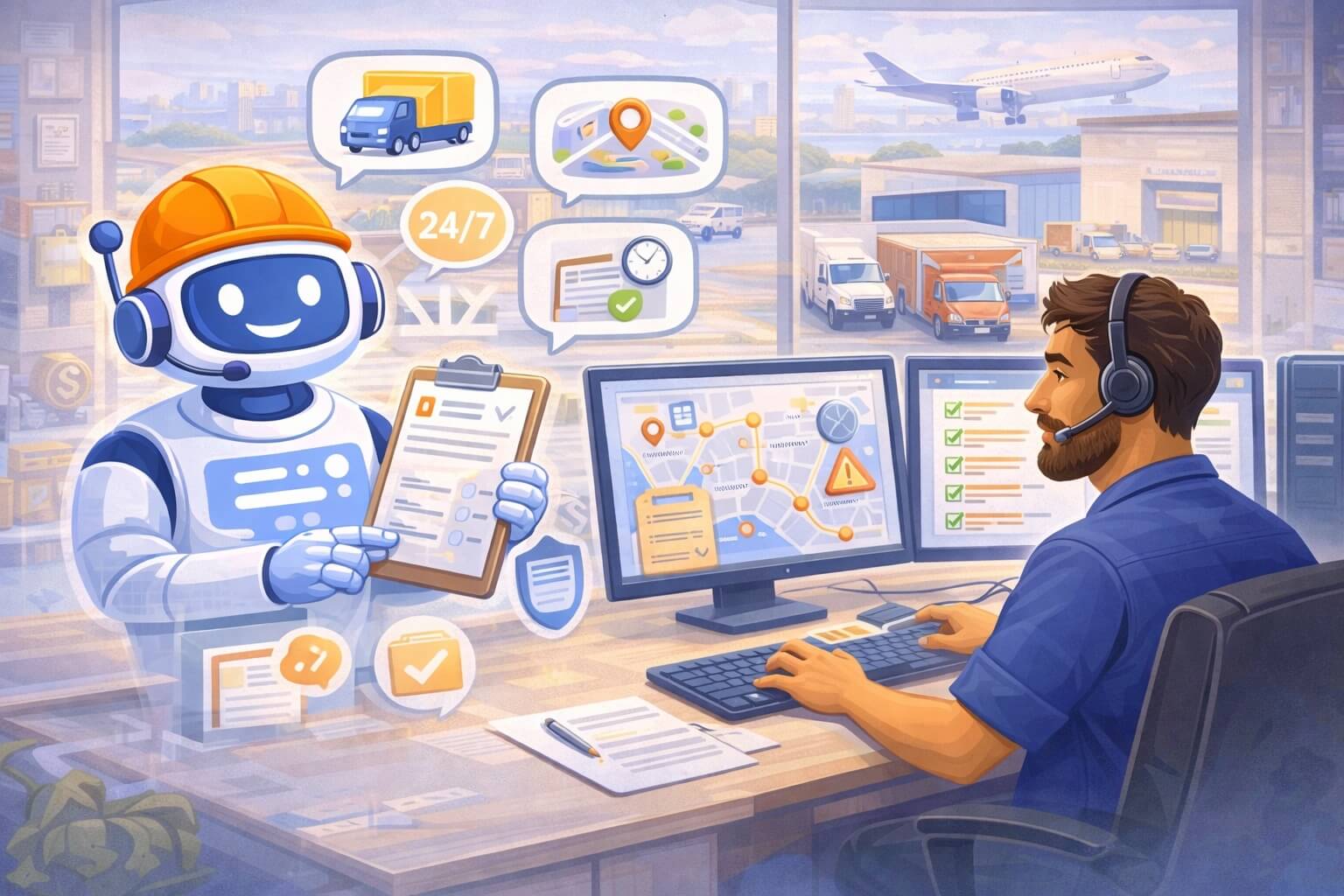
Challenges in hospitality hiring can turn into overtime, burnout, and guest experience gaps when roles stay open too long. This article explains how CloudApper AI Recruiter speeds screening, prevents candidate drop-off with 24/7 follow-up and scheduling, and improves hire quality with scenario-based verification.

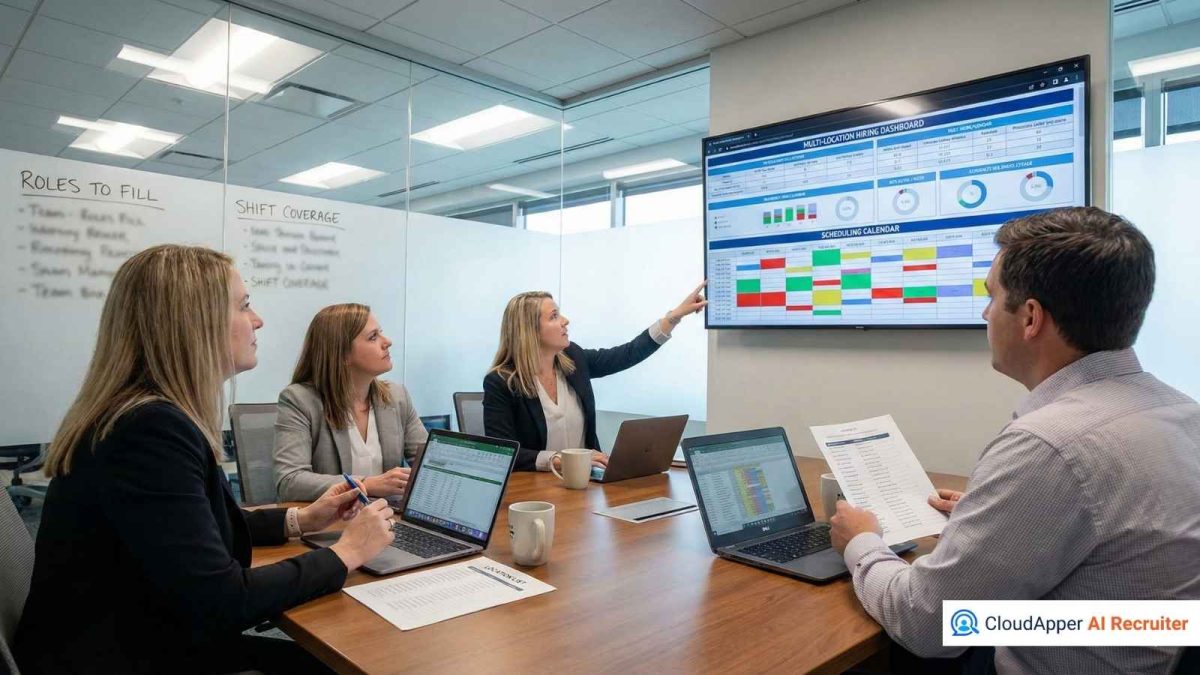
Table of Contents
If you lead hiring for a hotel, restaurant group, casino, or senior living hospitality operation, you already know the challenges in hospitality hiring aren’t just “HR problems.” They’re operational problems that show up as overtime, burned-out supervisors, slower service, and guest reviews that quietly slip from 4.6 to 4.2 when shifts stay understaffed.
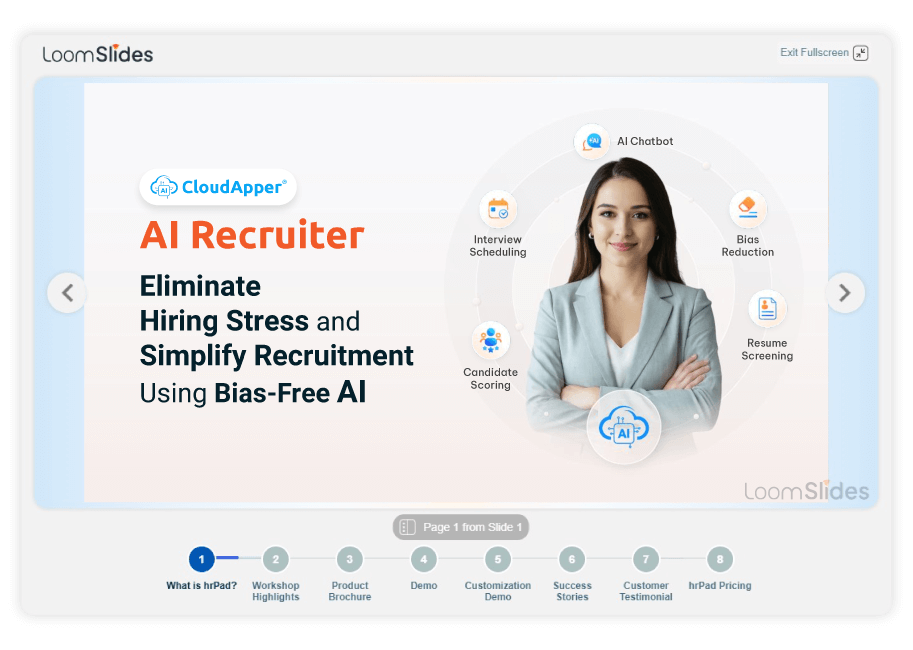
For more information on CloudApper AI Recruiter visit our page here.
CloudApper AI Recruiter is built for that reality. It’s an end-to-end hiring assistant that helps teams move faster without lowering standards—by screening and ranking candidates in seconds, keeping applicants engaged with always-on scheduling and follow-ups, and improving hiring quality with scenario-based verification that surfaces real capability (not just polished answers).
What Makes Hospitality Hiring Uniquely Hard
Hospitality hiring breaks differently than hiring in many other industries. The demand is constant, but the workforce is fluid. Turnover is higher, seasonal spikes are real, and many roles are hourly and guest-facing—meaning speed matters, but fit matters just as much.
The funnel often cracks at predictable points. A location manager needs coverage “by Friday,” but the recruiter is juggling dozens of open roles across properties. Candidates apply on mobile during a break, then disappear if they don’t hear back quickly. Interviews are scheduled, then missed, because life happens—and because the hiring process didn’t keep momentum.
Multi-location complexity adds another layer. Different managers screen differently. Some ask great questions; others rely on gut feel. One property hires quickly; another drags on approvals. Without consistent screening and follow-up, you get uneven quality, uneven time-to-hire, and a steady drip of vacancies that forces the rest of the team to absorb the workload—often during your busiest periods. That’s when the challenges in hospitality hiring become visible: not as a recruiting metric, but as a guest experience risk.
Challenges in Hospitality Hiring: How CloudApper AI Recruiter Removes Bottlenecks
Hospitality teams don’t need “more applicants.” They need a process that converts the right applicants into booked interviews and reliable hires—fast. CloudApper AI Recruiter addresses the biggest friction points from the moment someone applies to the moment they show up for day one.
It starts with speed and consistency. Resumes are screened, scored, and ranked in seconds, so your team isn’t stuck triaging a pile of applications while shifts go uncovered. That ranking helps recruiters and hiring managers focus on the best matches first, instead of scanning for keywords or defaulting to whoever applied earliest.
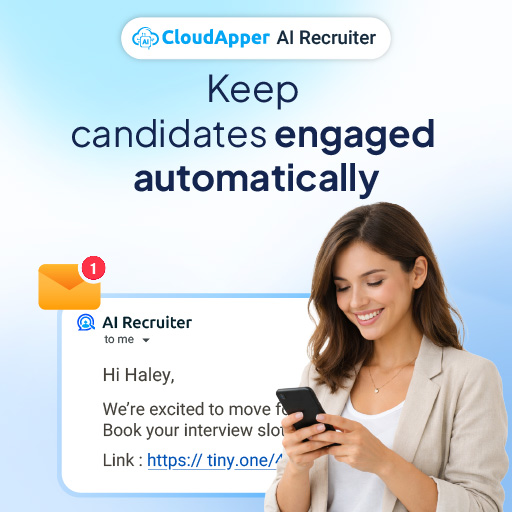
Then it keeps the process moving. Scheduling, reminders, and follow-ups can run around the clock. In hospitality, that matters because applicants are often applying after hours, between shifts, or on weekends. When the process responds quickly, candidates stay warm. When it doesn’t, they move on to the employer down the street.
Mini-Scenario: A 20-Location Restaurant Group
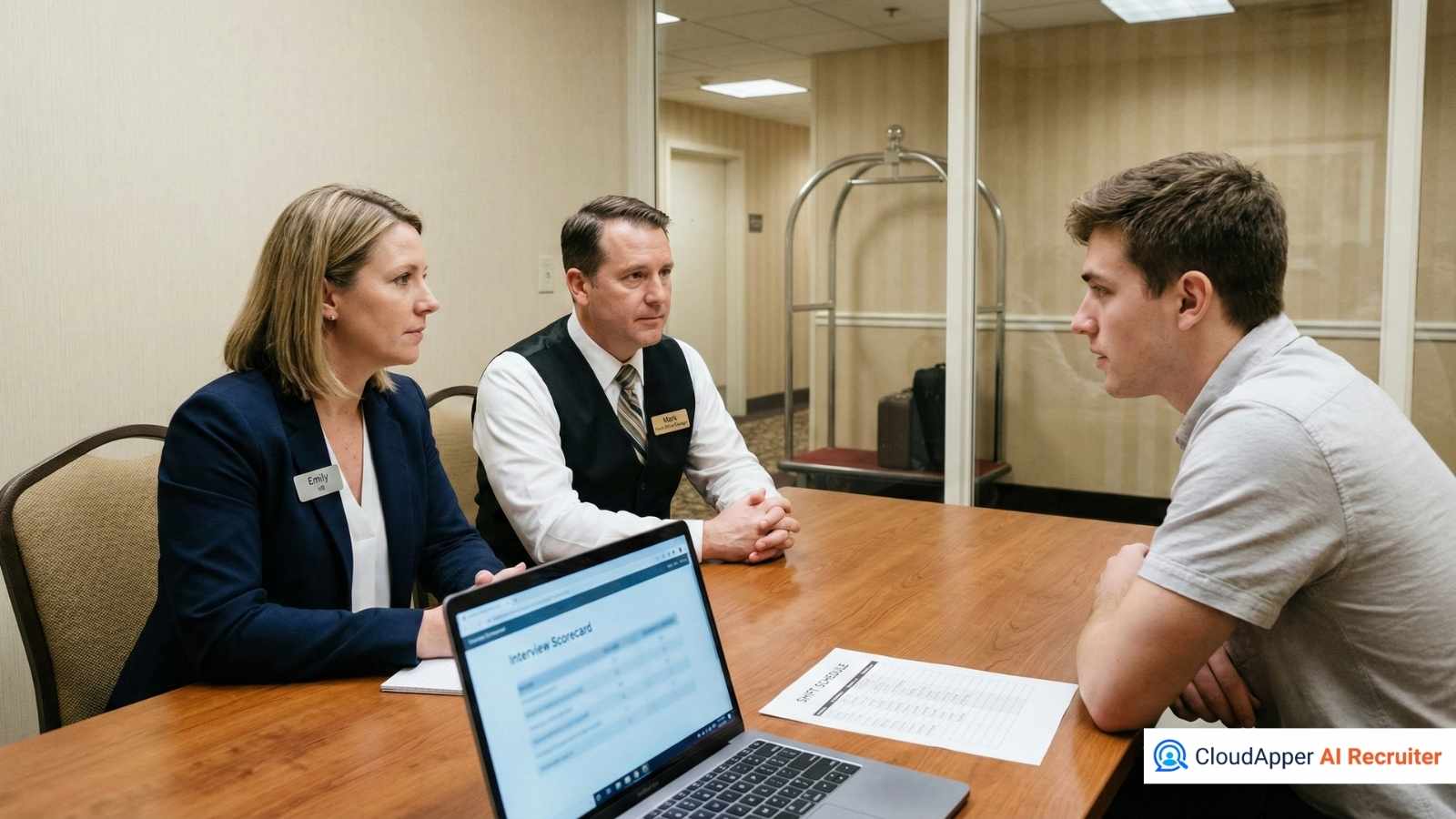
Imagine a restaurant group hiring for servers, line cooks, and shift leads across 20 locations. Managers are busy running service, so interviews get scheduled late, rescheduled often, and candidates fall out of the funnel. With CloudApper AI Recruiter, applications are ranked immediately, interview slots are offered quickly, and reminders go out automatically. Recruiters spend less time chasing confirmations and more time reviewing the highest-signal candidates—while managers see fewer “I forgot” no-shows because the process stayed in front of the applicant.
Just as important, AI Recruiter improves quality control without adding time. Instead of relying on keyword matches, it uses deeper contextual analysis and personalized, scenario-based pre-screen questions to verify claims. In hospitality, where soft skills and reliability are as important as experience, that verification reduces the risk of hiring someone who interviews well but can’t perform under real service conditions.
Challenges in Hospitality Hiring: Reducing Drop-Off and Ghosting Before It Starts
Candidate drop-off in hospitality happens fast. An applicant can submit three applications in five minutes and accept the first interview that feels “easy” and responsive. If your team takes two days to reply—or if scheduling requires back-and-forth messages—you lose momentum.
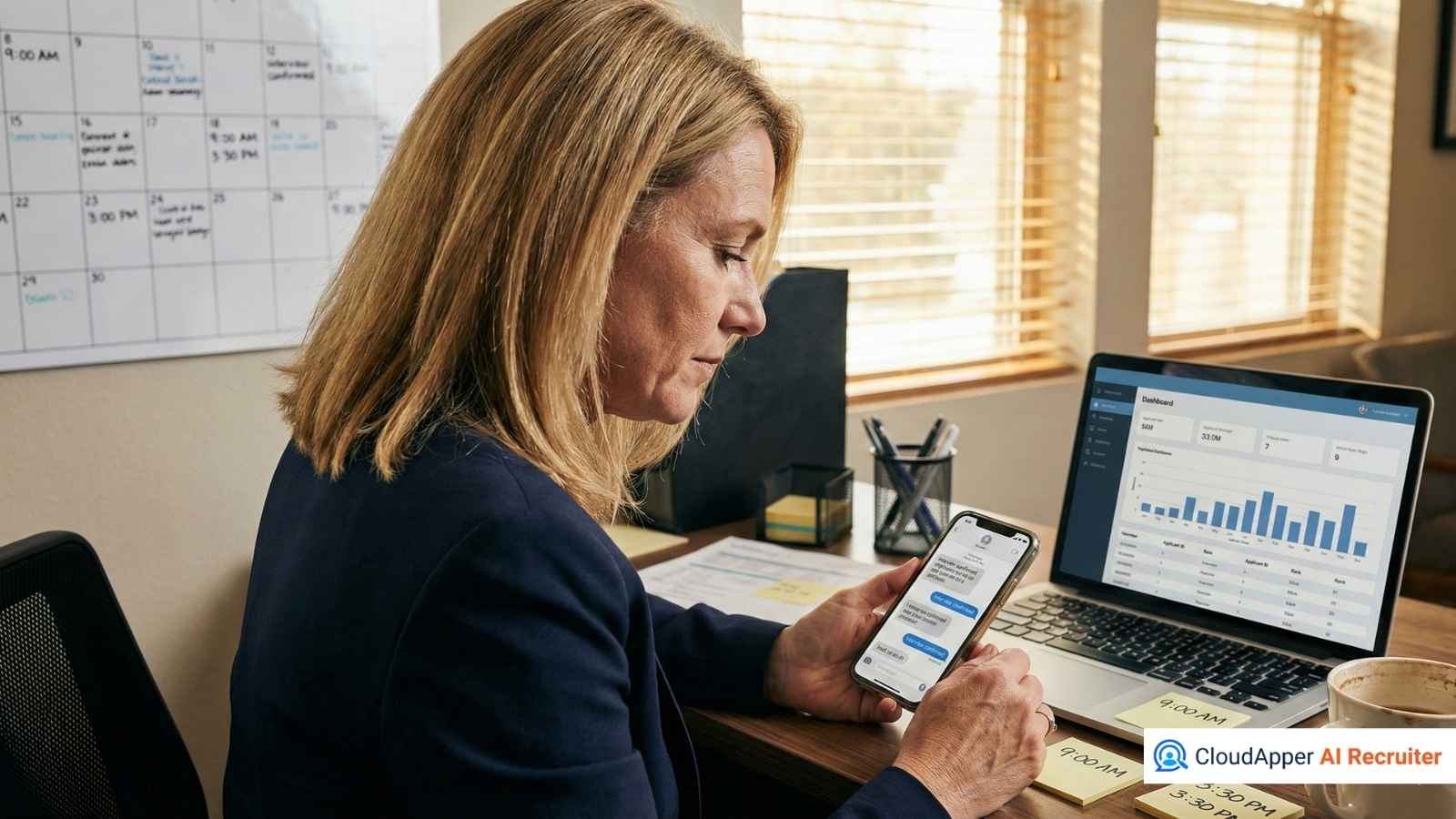
CloudApper AI Recruiter prevents that stall by turning the high-friction steps into automated, always-available actions. Candidates can be engaged quickly, offered interview times without waiting for a human response, and reminded consistently so the interview actually happens. That reduces recruiter workload and keeps the funnel moving, especially for hourly roles where speed is often the difference between “filled” and “still open.”
Mini-Scenario: A Hotel Staffing Up for Peak Season
A beachfront hotel needs to staff up ahead of a holiday rush: front desk agents, housekeeping, banquet servers, and a night auditor. The GM sets a firm deadline because training needs to happen before occupancy spikes. Without automation, recruiters spend days coordinating schedules and following up with candidates who applied after their current shift. With AI Recruiter handling rapid screening and 24/7 scheduling workflows, interviews get booked faster, reminders reduce no-shows, and the team spends its limited time assessing fit—not sending “Just checking in” messages.
One View of the Process: Failure Points and What Changes
Here’s what commonly breaks in hospitality hiring—and what changes when AI Recruiter carries the operational load:
- Applications pile up, and strong candidates wait too long → resumes are screened, scored, and ranked in seconds so the best candidates rise quickly.
- Scheduling becomes a back-and-forth bottleneck → interview scheduling can be automated with clear rules and real-time confirmations.
- Candidates ghost after applying → 24/7 follow-ups and reminders keep candidates engaged while interest is high.
- Managers screen inconsistently across locations → scenario-based pre-screens standardize evaluation without adding meetings or training overhead.
- Inflated resumes slide through during high-volume hiring → contextual analysis and verification questions test claims against role-relevant situations.
- Interview performance is hard to trust in an era of polished, generic answers → scenario-based interviews focus on thinking, judgment, and consistency.
- Vacancies create overtime and burnout → faster funnel velocity reduces time-to-fill and the operational tax of being short-staffed.
Quality Control: Stopping Fake-Fit Hires
In hospitality, “fake fit” is costly. A bad hire doesn’t just hurt productivity—it can trigger guest complaints, team conflict, and early quits that restart the whole cycle. And today, it’s easier than ever for candidates to present inflated experience with polished resumes and generic responses that sound right but don’t hold up on the floor.
CloudApper AI Recruiter addresses this by going beyond keyword matching. It evaluates context—how experience is described, whether claims align logically, and whether the candidate’s story is consistent across the application flow. Then it verifies with personalized, scenario-based pre-screen questions that demand specifics.
For example, instead of asking “Are you good with guests?” a scenario-based pre-screen might ask how the candidate would handle a double-seated section with an upset guest, an order mistake, and a coworker asking for help—then look for clarity, prioritization, tone, and accountability. That’s where real capability shows up.
This is one of the most practical ways to reduce the challenges in hospitality hiring without slowing hiring down. You’re not adding steps for the sake of process—you’re increasing signal early, so interviews are spent on candidates who can actually perform in a guest-facing environment.
Interview Integrity: Detecting Real-Time AI Assistance
Interview and assessment integrity is now a real concern. Some candidates may use real-time tools during interviews or written assessments, which can create a false sense of readiness. The problem isn’t that someone used a tool—it’s that you can’t tell what they truly know, how they think, or how they’ll perform when the situation is live and the guest is waiting.
CloudApper AI Recruiter helps teams focus evaluation on thinking and consistency through scenario-based questions that can’t be answered well with generic scripts. These scenarios are designed to reveal judgment, service instincts, and problem-solving under pressure—exactly what hospitality roles demand.
In practice, “good” looks like this: the candidate clarifies the situation, prioritizes guest safety and experience, communicates calmly, and shows awareness of team dynamics. They don’t just give the “right” answer—they show how they’d act, what they’d say, and what they’d do next if the first attempt didn’t work. Consistency across answers matters too, because reliability in hospitality is often the difference between a smooth shift and a spiral.
Practical Rollout for Hospitality Teams
You don’t need a chaotic overhaul to improve results. The most successful hospitality rollouts focus on standardizing the parts of hiring that should be consistent, while leaving room for manager judgment where it matters.
Step 1: Define role scorecards that reflect hospitality reality.
For each role, decide what “good” means in plain terms: schedule reliability, guest-facing communication, pace tolerance, teamwork, and role-specific skills (POS familiarity, food safety basics, conflict handling, etc.). This keeps screening aligned across properties.
Step 2: Build scenario-based pre-screens that match your environment.
Create a small set of scenarios per role family (front desk, housekeeping, kitchen, server/FOH, event staff). Keep them realistic and brief. The goal is to verify judgment and approach—not to trick candidates.
Step 3: Standardize scheduling rules across locations.
Agree on what interview slots are offered, how quickly candidates should be engaged, and what happens when someone doesn’t confirm. Consistency reduces manager-by-manager variability and helps candidates experience one coherent process.
Step 4: Set follow-up and reminder expectations.
Decide how many nudges go out, how close to the interview reminders are sent, and how rescheduling is handled. Hospitality candidates often need flexibility; your process should support it without creating extra admin work.
Step 5: Train managers on the “why,” not the software.
Managers don’t need a long training deck. They need a shared standard: what you’re screening for, what scenarios reveal, and how to interpret candidate responses fairly and consistently.
Throughout this rollout, keep compliance basics in view: consistent criteria, job-relevant scenarios, and fair screening practices that reduce bias by focusing on role requirements and observable responses.

FAQs
Why do hospitality candidates drop off so fast?
Because the market moves quickly and applicants often apply to multiple nearby employers at once. If they don’t get a fast response or an easy way to schedule, they accept the first path with momentum.
How do you reduce interview no-shows in hourly hiring?
Make scheduling fast and confirmations easy, then use consistent reminders close to the interview time. Reducing back-and-forth and keeping candidates engaged between “apply” and “interview” is key.
How can you tell if a candidate is using AI to fake experience?
Look for vague, polished descriptions that don’t hold up when asked for specifics. Scenario-based verification questions expose whether the candidate can apply their claims to realistic situations with clear judgment and detail.
What should a scenario-based pre-screen include for hospitality roles?
Short situations that reflect real shift conditions: upset guests, time pressure, teamwork conflicts, policy decisions, and prioritization. The best scenarios test communication, accountability, and decision-making—not trivia.
How do you keep multi-location managers consistent without slowing hiring down?
Use the same role scorecards and the same scenario-based pre-screens across locations. That creates a shared baseline so manager interviews focus on fit, availability, and culture—not inconsistent screening methods.
What’s the operational cost of leaving hospitality roles open?
Vacancies usually translate into overtime, burnout, and inconsistent service. Even small gaps can cascade into slower turnaround times, missed upsell opportunities, and negative guest experiences that show up in reviews.
Conclusion
The fastest way to reduce the operational pain behind the challenges in hospitality hiring is to remove friction from the funnel while improving the quality of your hiring signal. When screening is immediate, follow-up is consistent, scheduling doesn’t stall, and verification is scenario-based, you get faster fills, fewer no-shows, better fit, and less time spent chasing candidates.
Explore CloudApper AI Recruiter

What is CloudApper AI Platform?
CloudApper AI is an advanced platform that enables organizations to integrate AI into their existing enterprise systems effortlessly, without the need for technical expertise, costly development, or upgrading the underlying infrastructure. By transforming legacy systems into AI-capable solutions, CloudApper allows companies to harness the power of Generative AI quickly and efficiently. This approach has been successfully implemented with leading systems like UKG, Workday, Oracle, Paradox, Amazon AWS Bedrock and can be applied across various industries, helping businesses enhance productivity, automate processes, and gain deeper insights without the usual complexities. With CloudApper AI, you can start experiencing the transformative benefits of AI today. Learn More
CloudApper AI Solutions for HR

- Works with


- and more.








Similar Posts

Recruitment Analytics for High-Volume Hiring
How to Re-Engage Silver Medalist Candidates with AI Automation