- Why Ethical AI Has Become a Frontline HR Issue
- Surveillance vs Support: The Line HR Technology Must Not Cross
- What Ethical AI in HR Actually Means
- How hrPad Applies Ethical AI on the Frontline
- Ethical Design Choices That Matter at the Time Clock
- Why Ethical AI Improves Adoption and Accuracy
- What HR Leaders Should Ask Before Deploying Frontline AI
- Ethical AI Is the Future of Frontline HR
Artificial intelligence is now part of everyday work life for frontline employees. From scheduling and time tracking to HR self-service and compliance, AI is no longer hidden behind corporate dashboards. It lives at the time clock, the kiosk, and the start and end of every shift.
And that is exactly why trust has become the most important issue in frontline HR technology.

While AI promises efficiency and accuracy, many frontline workers experience it differently. They worry about surveillance, unfair decisions, and systems making judgments without context. For HR leaders, the challenge is no longer just whether AI works, but whether employees believe it works for them.
This is where ethical AI matters, and where CloudApper hrPad takes a fundamentally different approach.
Why Ethical AI Has Become a Frontline HR Issue
AI adoption in HR started quietly. Resume screening, analytics, and chatbots mostly affected corporate teams. Over the past year, that has changed.
Frontline employees now interact with AI more frequently than almost any other group. Every punch in, break attestation, policy question, or shift confirmation can involve an AI-powered system. These interactions are repetitive, mandatory, and tied directly to pay and compliance.
That combination raises the stakes.
Frontline workers are not worried about abstract algorithms. They care about whether:
- Their time is captured accurately
- Their pay is fair
- Their data is used responsibly
- The system understands real working conditions
When AI touches these moments, trust is not a “nice to have.” It is the foundation of adoption.
Surveillance vs Support: The Line HR Technology Must Not Cross
One of the biggest risks in frontline AI is perception.
Many workforce tools collect data continuously, quietly, and without clear employee awareness. Even when intentions are good, this creates a surveillance feel. Employees start to wonder what is being tracked, how it is used, and whether the system is judging them.
Once that doubt sets in, behavior changes. Workers look for workarounds. Engagement drops. HR loses visibility instead of gaining it.
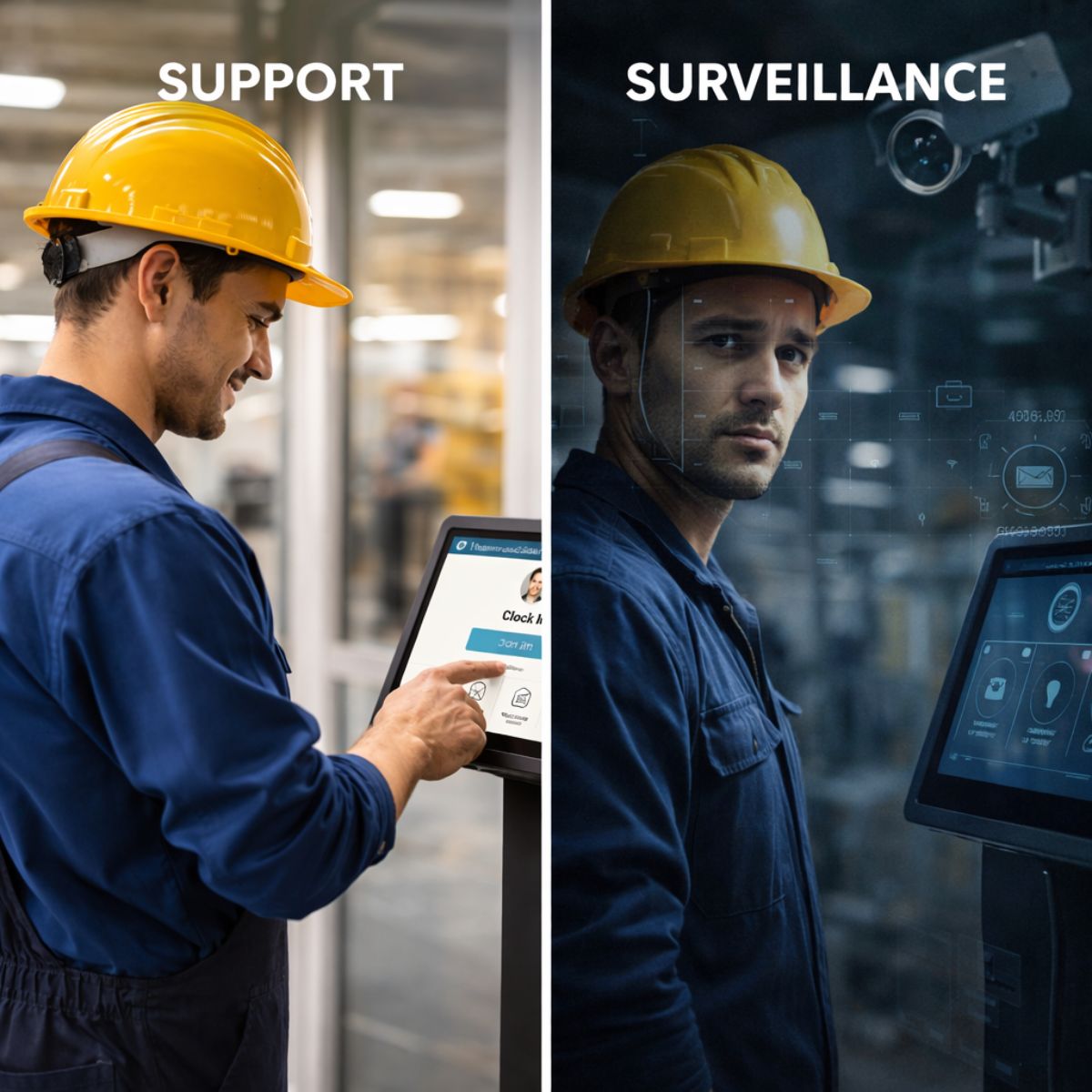
Ethical AI draws a clear line between support and surveillance.
Supportive AI is visible, purposeful, and predictable. It helps employees complete tasks, get answers, and move on with their day. Surveillance-driven AI fades into the background and leaves people guessing.
The difference is not technical. It is design.
What Ethical AI in HR Actually Means
Ethical AI is often discussed in broad terms, but for frontline HR systems it comes down to a few practical principles.
Transparency matters. Employees should understand what the system does at the moment they interact with it. Nothing should feel hidden or passive.
Purpose matters. AI should exist to solve a specific HR problem such as reducing wait time, improving accuracy, or simplifying requests. It should not exist simply because data can be collected.
Employee agency matters. Interactions should be initiated by the employee, not imposed invisibly in the background.
Human accountability matters. AI supports HR processes, but responsibility still belongs to people, policies, and leadership.
When these principles are present, AI feels like a tool. When they are absent, it feels like oversight.
How hrPad Applies Ethical AI on the Frontline
hrPad was designed around a simple idea: frontline AI should remove friction, not create anxiety.
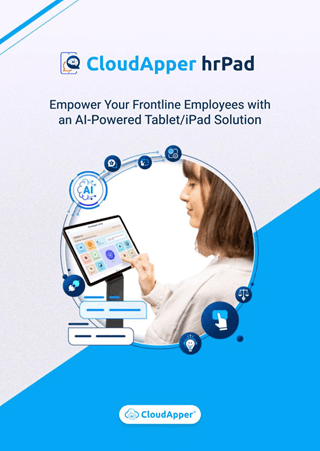
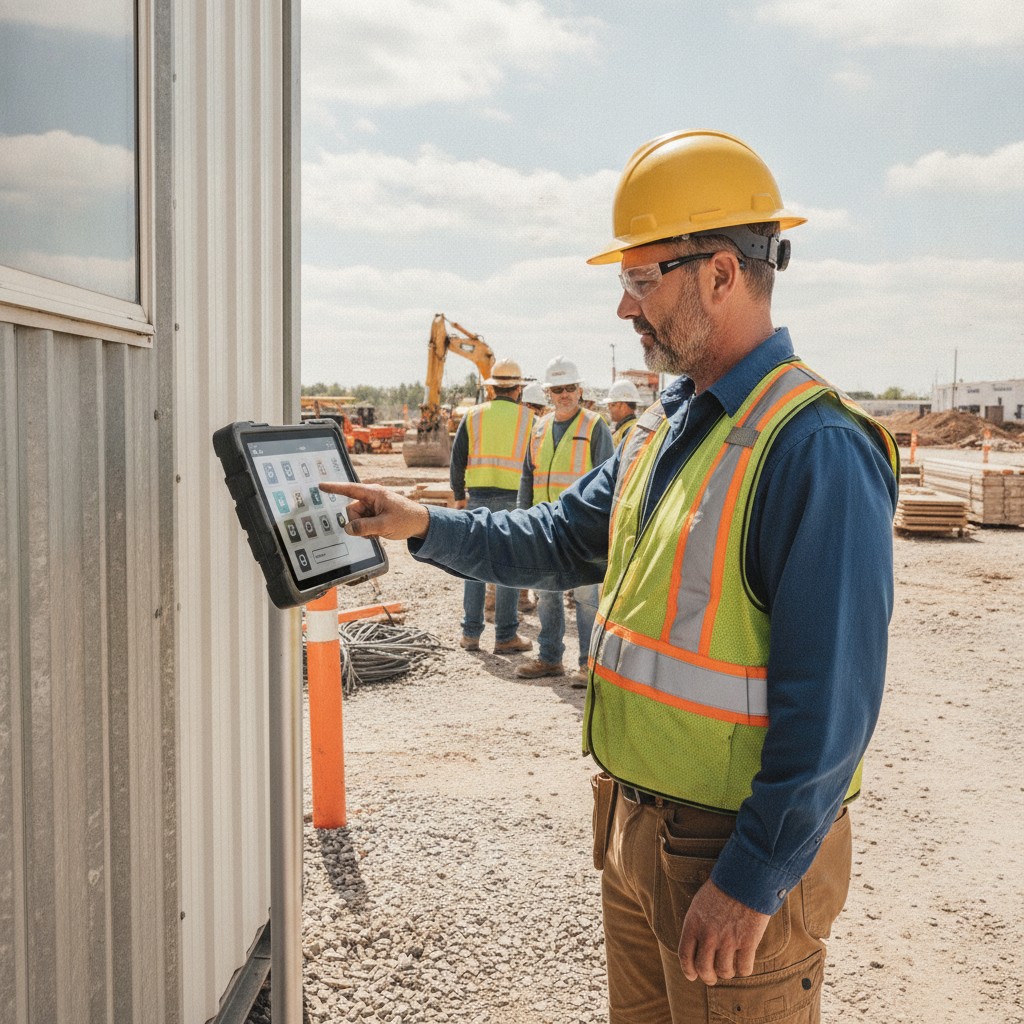
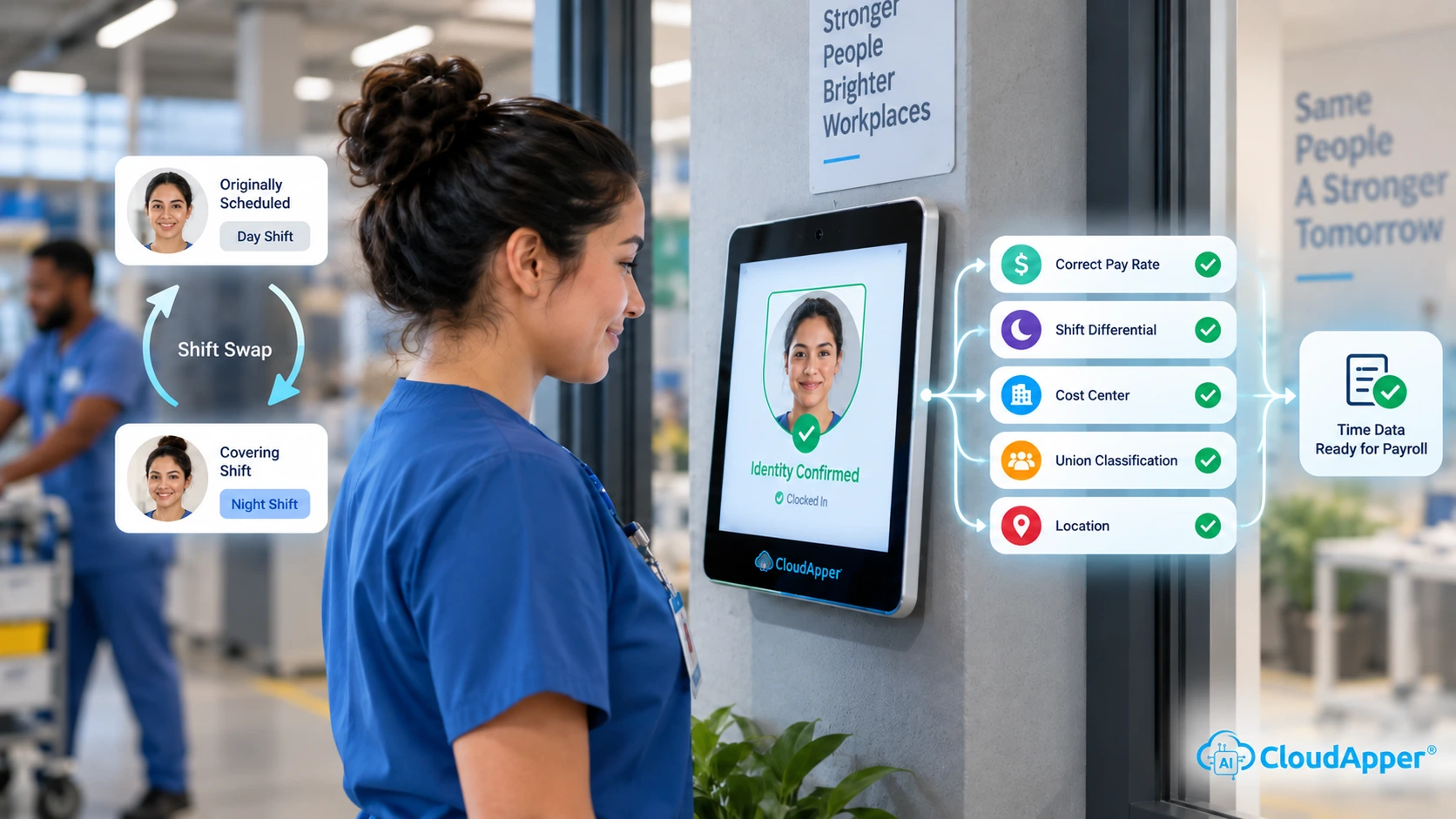
Instead of functioning as a passive monitoring system, hrPad operates as an employee-facing HR kiosk. Workers actively engage with it to clock in, submit attestations, ask questions, or complete requests. Every interaction is explicit and intentional.
There is no hidden scoring of behavior. No silent evaluation running in the background. The AI exists to respond, guide, and clarify in the moment employees already expect HR interaction to occur.
This distinction matters deeply in frontline environments where trust is earned through consistency and clarity.
Ethical Design Choices That Matter at the Time Clock
Small design decisions have an outsized impact on how AI is perceived.
hrPad emphasizes clear prompts instead of background data capture. Employees see exactly what they are being asked and why. Attestations are tied to compliance needs, not generalized monitoring.
AI responses are contextual and informational. When employees ask about policies, schedules, or balances, the system answers based on approved HR data rather than inference or assumptions.
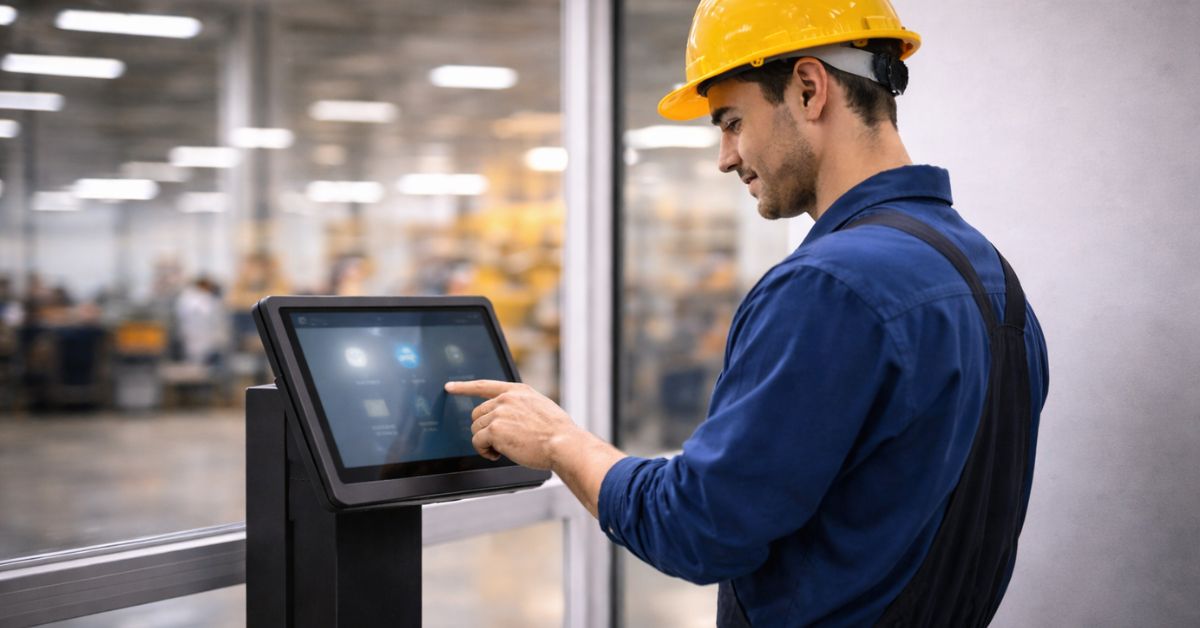
Most importantly, hrPad is designed around the real flow of frontline work. Shared devices, fast interactions, and shift-based usage are treated as first-class realities, not edge cases.
Ethical AI is not about limiting capability. It is about aligning capability with how work actually happens.
Why Ethical AI Improves Adoption and Accuracy
There is a practical benefit to ethical AI that often gets overlooked.
When employees trust a system, they use it correctly.
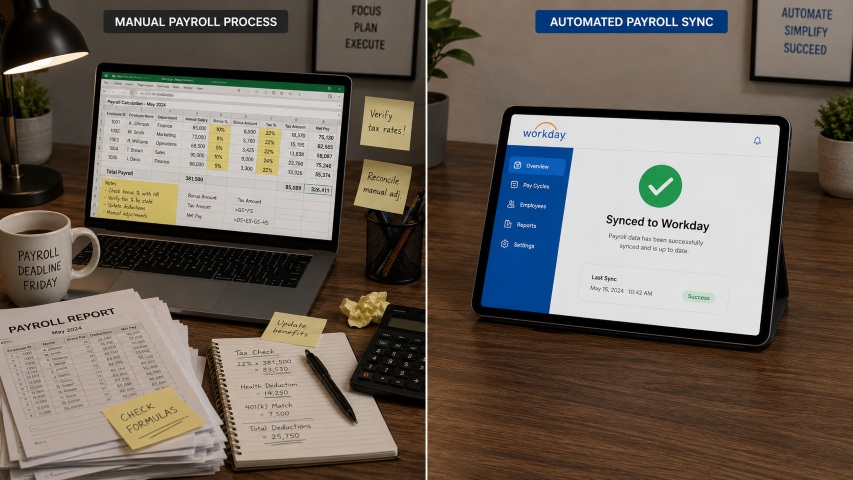
That leads to cleaner time data, more accurate attestations, and fewer payroll corrections. HR teams spend less time resolving disputes and more time focusing on workforce strategy.
Ethical AI reduces resistance. It removes the need for shadow processes and manual workarounds. Over time, it creates better data precisely because employees are not trying to avoid the system.
Trust is not just a moral consideration. It is an operational advantage.
What HR Leaders Should Ask Before Deploying Frontline AI
Before introducing AI into any frontline HR process, leaders should pause and ask a few important questions.
Would employees describe this system as helpful, or as watchful?
Can the purpose of the AI be explained in plain language without defensiveness?
Does the system respect frontline realities like shared access, fast-paced shifts, and limited time?
Is the goal to reduce friction for employees, or simply to increase control?
The answers to these questions often determine whether a rollout succeeds quietly or becomes a source of long-term tension.
Ethical AI Is the Future of Frontline HR
AI will continue to shape workforce management. That is inevitable. What is not inevitable is how employees experience it.
Frontline HR technology sits at the most sensitive intersection of work, pay, and trust. Systems that ignore this reality may deliver short-term efficiency, but they create long-term risk.
Ethical AI does not slow innovation. It sustains it.
By focusing on transparency, employee agency, and purposeful design, hrPad demonstrates how AI can support frontline workers without crossing into surveillance. At the time clock, where trust matters most, that difference is everything. Explore how hrPad brings ethical, transparent AI to frontline HR interactions.
What is CloudApper AI Platform?
CloudApper AI is an advanced platform that enables organizations to integrate AI into their existing enterprise systems effortlessly, without the need for technical expertise, costly development, or upgrading the underlying infrastructure. By transforming legacy systems into AI-capable solutions, CloudApper allows companies to harness the power of Generative AI quickly and efficiently. This approach has been successfully implemented with leading systems like UKG, Workday, Oracle, Paradox, Amazon AWS Bedrock and can be applied across various industries, helping businesses enhance productivity, automate processes, and gain deeper insights without the usual complexities. With CloudApper AI, you can start experiencing the transformative benefits of AI today. Learn More
- Useful Links:
- Agentic AI
- No-Code/Low-Code
- Custom Software
- HCM Personalization
- iPaaS
- FedRAMP