If your frontline workers speak Spanish but your HR policies are only in English, you're setting them up for confusion. CloudApper hrPad solves that with built-in bilingual access letting employees read and ask about HR policies in the language they actually use every day. It’s simple, AI-powered, and way more effective than handing out PDFs.

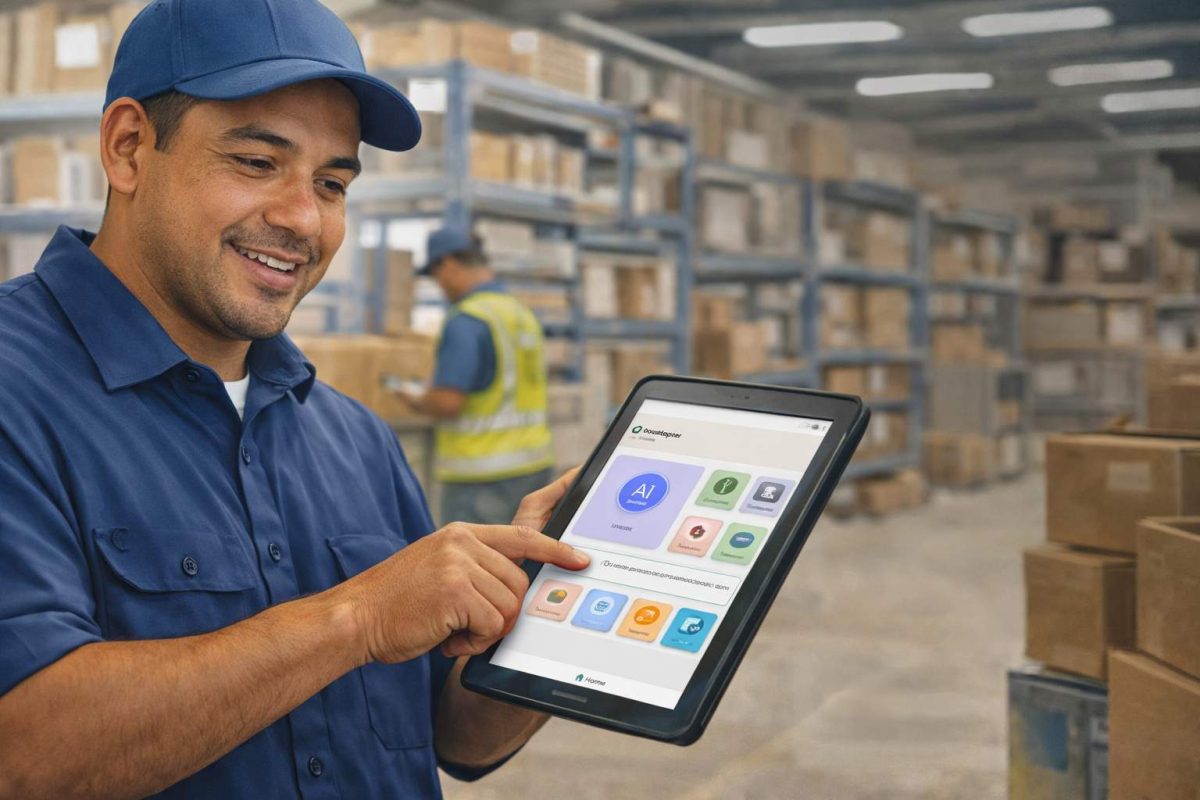
Table of Contents
For companies operating with both English- and Spanish-speaking employees, language gaps cause daily friction. Missed rules, misunderstood benefits, and silent confusion aren’t just inconvenient, they’re costly. That’s why Bilingual HR Policy Access isn’t just helpful anymore, it’s essential.
This is exactly where CloudApper hrPad stands out. Most HR systems were built for desktop users, not for mobile, Spanish-speaking workers on the floor or in the field. hrPad flips that script by putting HR policies into the hands of your bilingual workforce in a way they can actually use. With AI, tablet accessibility, and built-in support for both English and Spanish, it doesn’t just offer access it creates understanding.
The Real Problem With Traditional Policy Delivery
Traditional HR policy delivery makes a lot of assumptions. It assumes everyone speaks the same language. It assumes employees have email, computer access, and time to dig through an intranet. For deskless workers, none of that applies.
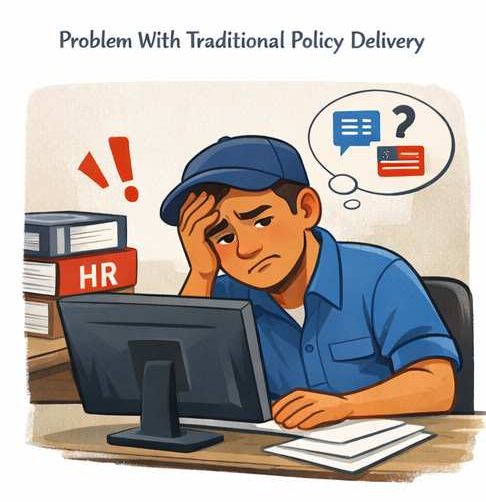
In industries like manufacturing, logistics, food service, and hospitality, Spanish is often the dominant spoken language on the floor, while HR policies remain exclusively in English. That disconnect leaves employees confused about their rights, their benefits, and what’s expected of them. It also puts companies at risk when it comes to labor law compliance and employee relations.
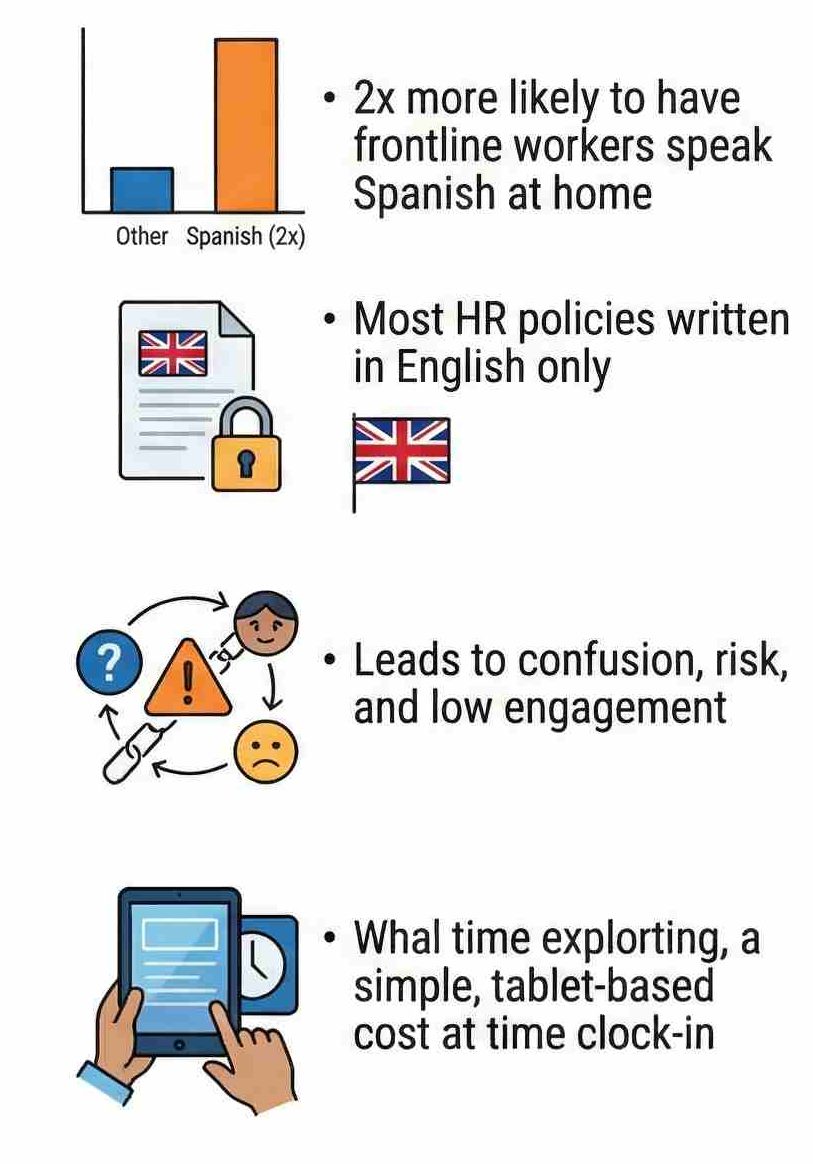
Without Bilingual HR Policy Access, things get lost in translation, literally and culturally.
How CloudApper hrPad Fixes This
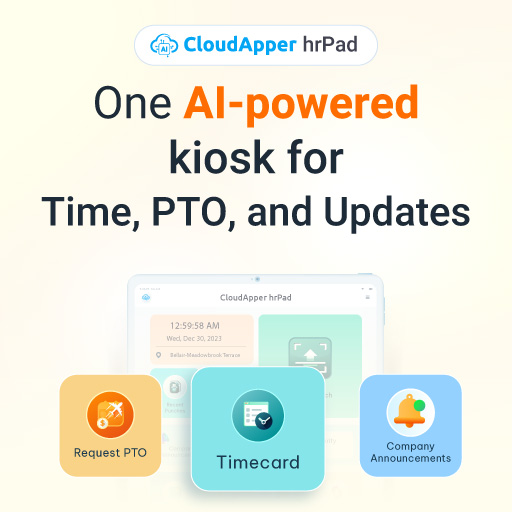
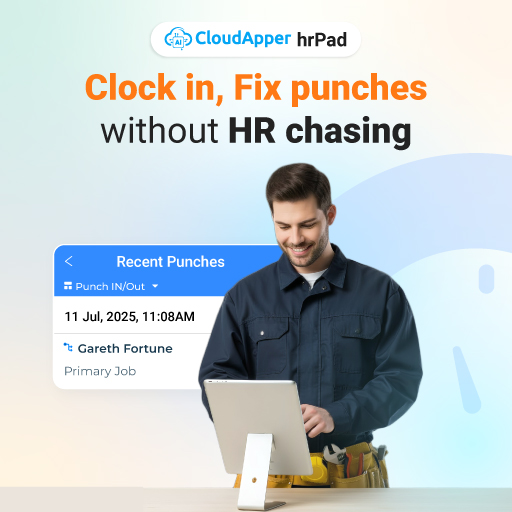
CloudApper hrPad was built for this exact challenge. It runs on iPads or Android tablets already used by frontline teams. Employees clock in, check schedules, submit PTO and now, access policies in Spanish or English depending on what they prefer.
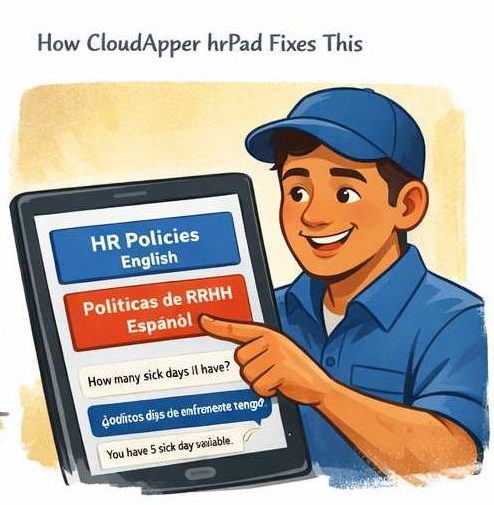
The real game-changer is the AI assistant. It doesn’t just show documents — it helps explain them. A Spanish-speaking employee can ask a question like, “¿Cuántos días de enfermedad tengo?” and get an instant answer pulled from the actual policy document without having to call HR or hope a coworker translates it correctly.
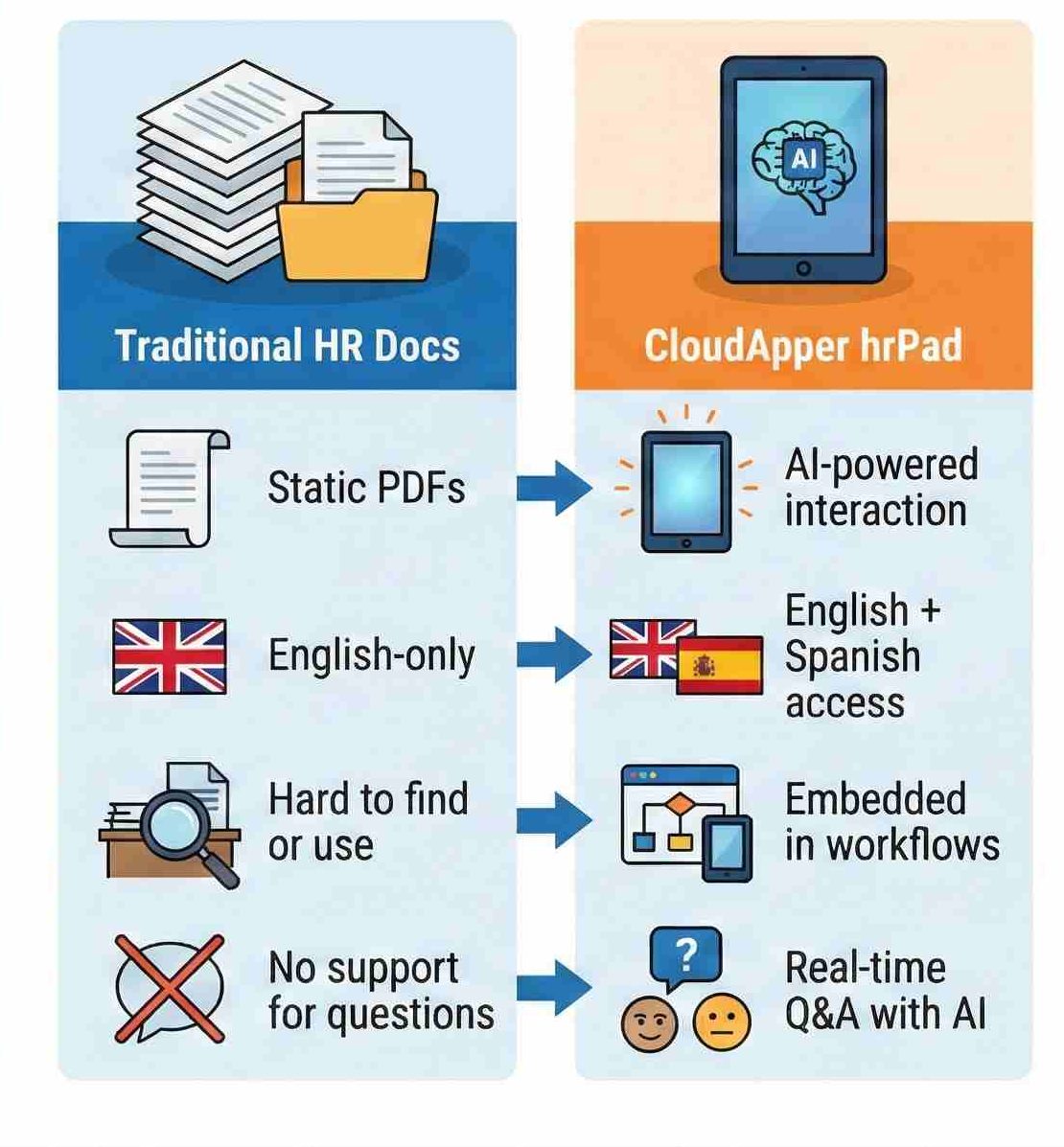
What makes hrPad different is that it doesn’t treat language access as a secondary feature. It builds Bilingual HR Policy Access right into the daily rhythm of frontline work. It’s easy to use, fast to update, and tailored to how real employees interact with policies — not how HR wishes they did.
What This Looks Like in the Real World
When a new policy goes out, it can be published in both English and Spanish, targeted to locations or roles that need it. Employees see it on the tablet they already use. They can read it, ask questions about it, and even acknowledge it all in the language they’re most comfortable with.
There’s no flipping through binders, chasing supervisors for clarification, or relying on spotty translations from coworkers. The result is clearer communication, fewer misunderstandings, and a stronger sense of inclusion across teams.
It’s not flashy. It’s just what works.
Frequently Asked Questions
Does hrPad just translate documents?
No. It delivers policy documents in both languages and allows employees to interact with them using an AI assistant trained on your content. That means they can ask questions and get reliable, contextual answers.
Can we manage different content for different locations or roles?
Yes. hrPad allows targeting policies by location, job type, or department — and delivers them in either or both languages as needed.
Will this reduce the load on HR teams?
Absolutely. Instead of answering the same questions over and over, HR can focus on higher-level work while hrPad handles everyday policy communication.
Is this better than just giving translated PDFs?
Way better. PDFs are static. hrPad makes policy access dynamic, accessible, and embedded into daily workflows.
Conclusion
When employees understand the policies that affect them, they engage more, follow rules better, and feel like they belong. That starts with delivering those policies in a language they trust.
CloudApper hrPad makes Bilingual HR Policy Access easy, practical, and effective. Whether you’re supporting English- and Spanish-speaking workers across warehouses, restaurants, or retail stores, hrPad ensures every employee can understand the policies that matter not just receive them.
It’s not just a policy tool. It’s how inclusion becomes part of the everyday employee experience from the first clock-in to the final paycheck.

What is CloudApper AI Platform?
CloudApper AI is an advanced platform that enables organizations to integrate AI into their existing enterprise systems effortlessly, without the need for technical expertise, costly development, or upgrading the underlying infrastructure. By transforming legacy systems into AI-capable solutions, CloudApper allows companies to harness the power of Generative AI quickly and efficiently. This approach has been successfully implemented with leading systems like UKG, Workday, Oracle, Paradox, Amazon AWS Bedrock and can be applied across various industries, helping businesses enhance productivity, automate processes, and gain deeper insights without the usual complexities. With CloudApper AI, you can start experiencing the transformative benefits of AI today. Learn More
Brochure
CloudApper hrPad
Empower Frontline Employees with an AI-Powered Tablet/iPad Solution
Download Brochure
CloudApper AI Solutions for HR

- Works with


- and more.






Similar Posts
Solving the Deskless Divide: How Frontline-First HR Design Empowers the…
How to Allow Employees to Clock In for Unscheduled Shifts…