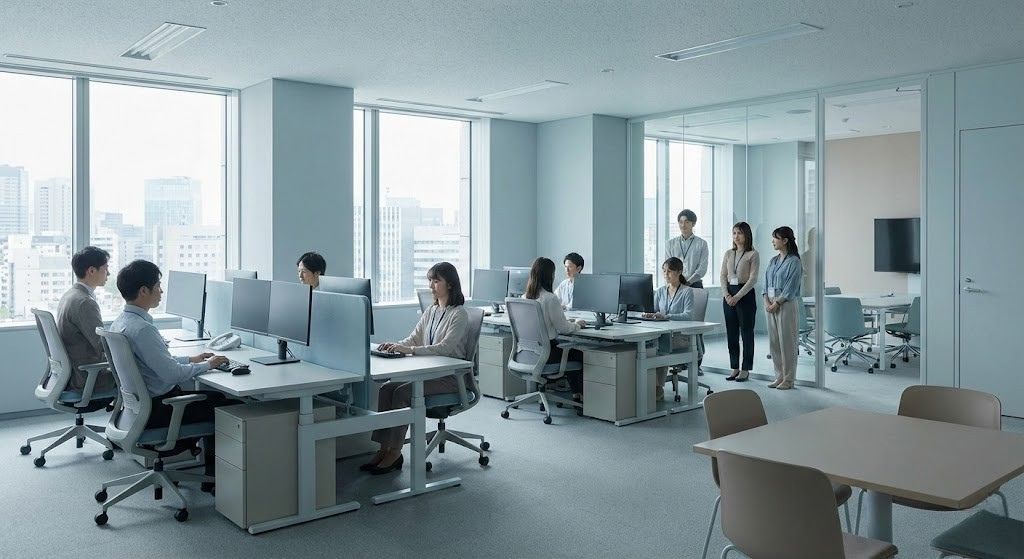
In 2026, workplace wellness is shifting away from apps and programs toward ambient support built into the flow of work. As digital overload and AI anxiety grow, organizations are rethinking HR service delivery through phygital design—blending physical spaces with AI-powered self-service to reduce friction, restore balance, and improve Digital Employee Experience (DEX), especially for frontline and deskless workers.

TL;DR
In 2026, workplace wellness is becoming more practical and less digital-heavy. Instead of adding more apps, organizations are adopting phygital and ambient approaches that quietly reduce friction in everyday work. Research shows constant interruptions and tool sprawl are driving technostress and FOBO (Fear of Becoming Obsolete), making Digital Employee Experience (DEX) the real measure of success. For frontline and deskless teams, better DEX doesn’t come from more portals—it comes from making HR support available where work actually happens. CloudApper hrPad delivers this through shared, AI-powered self-service kiosks that simplify high-frequency HR tasks like timekeeping, PTO, shift management, and policy questions. By embedding HR service delivery into the physical flow of work, hrPad reduces interruptions, cuts HR ticket volume, improves payroll accuracy, and supports employee confidence—turning “wellness” into fewer daily frustrations rather than another program to manage.Table of Contents
In 2026, workplace “wellness” is being redefined in a way that’s surprisingly practical. The goal isn’t to push employees into yet another portal or wellness app. It’s to restore balance by making support feel built into the environment through what many workplace strategists now call the phygital workplace: a seamless blend of physical spaces and digital support that reduces friction rather than adding to it.
That shift matters because digital overload is no longer a vague complaint. Microsoft’s Work Trend Index research has highlighted how often knowledge workers are interrupted by meetings, emails, or notifications—on average, about every two minutes in Microsoft 365 usage patterns. And broader “technostress” research has reported that large portions of workers feel negatively impacted by workplace tech and tool sprawl.
The catch: as AI agents become more capable, a new anxiety is rising alongside the optimism—FOBO (Fear of Becoming Obsolete)—the uneasy feeling that AI is shifting from “tool” to “team member.”
So what does “phygital + ambient wellness” look like when you move from trend talk to real operations?
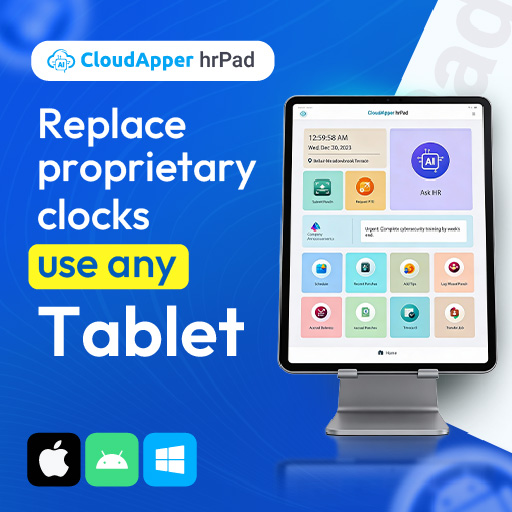
For many organizations—especially those with frontline, hourly, or deskless workforces—the most effective path isn’t more apps. It’s bringing HR service delivery to where work actually happens. That’s where CloudApper hrPad fits naturally: an employee self-service kiosk powered by AI Agents for HR service delivery (HRSD), designed to reduce everyday HR friction through shared tablets (iPad/Android/Windows) placed in the flow of work.
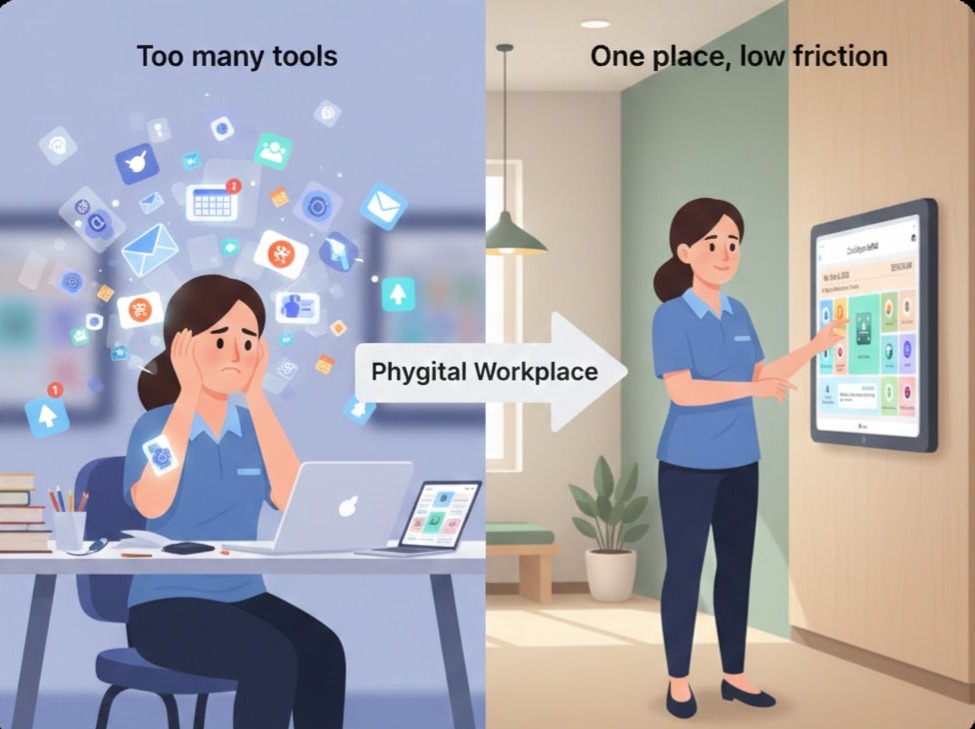
What a “phygital workplace” really means (and why employees prefer it)
Gensler’s 2026 workplace trend framing is blunt: employees don’t want a scavenger hunt of apps and platforms. They want a single, fluid experience that connects space, people, and technology, with technology in a supportive role—not center stage.
This is also the spirit behind ambient intelligence: environments where sensors, systems, and AI quietly manage conditions—such as lighting, acoustics, comfort, and space availability—so people can focus without constantly “operating” technology.
But there’s an important nuance: “ambient” doesn’t mean “invisible surveillance.” Studies and workplace design research often point out that when people feel they’ve lost control over their environment, satisfaction and comfort can drop.
That’s why the most employee-friendly version of phygital design isn’t about watching people. It’s about removing friction and returning time and control through supportive, opt-in experiences.
In HR terms, the “ambient” question becomes:
Can employees get what they need—quickly, clearly, and fairly—without battling apps, logins, and delays?
DEX is the scoreboard in 2026
In 2026, success is increasingly judged through Digital Employee Experience (DEX)—how well workplace technology supports people’s ability to do their work without interruption, confusion, or needless effort.
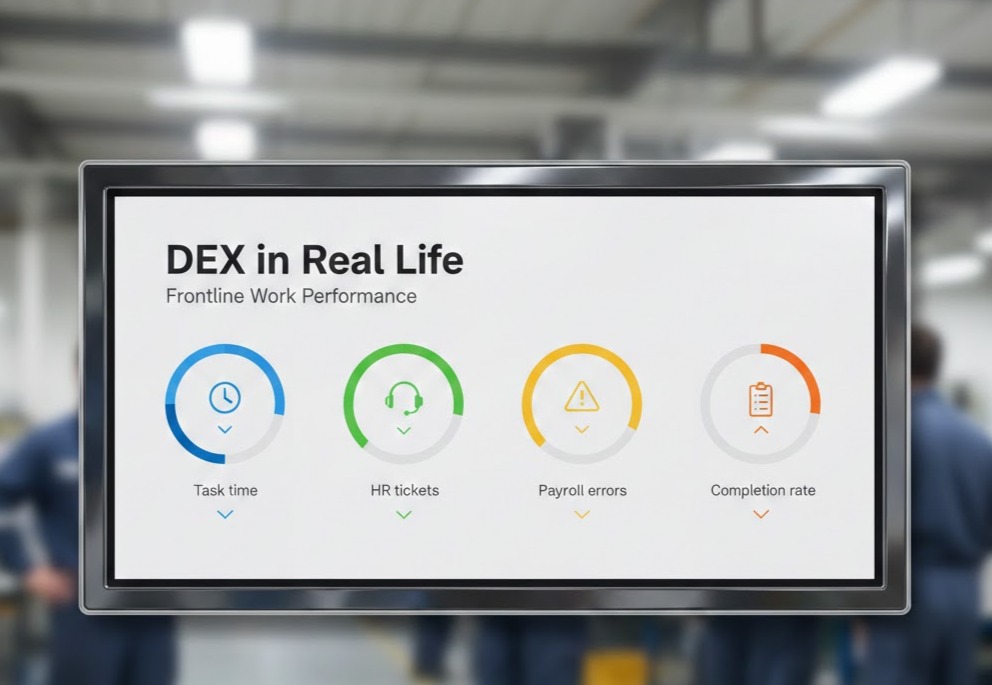
DEX isn’t just “employee happiness.” It’s measurable. Many DEX programs track operational signals like:
- How reliably tools work (performance/uptime)
- How often employees need help (ticket volume)
- How long does it take to resolve issues
- How much friction exists in everyday tasks (logins, workflows, approvals)

And that matters because the cost of poor DEX is real: Ivanti’s DEX research has highlighted how digital friction contributes to employee frustration and increases burden on support functions. ivanti.com
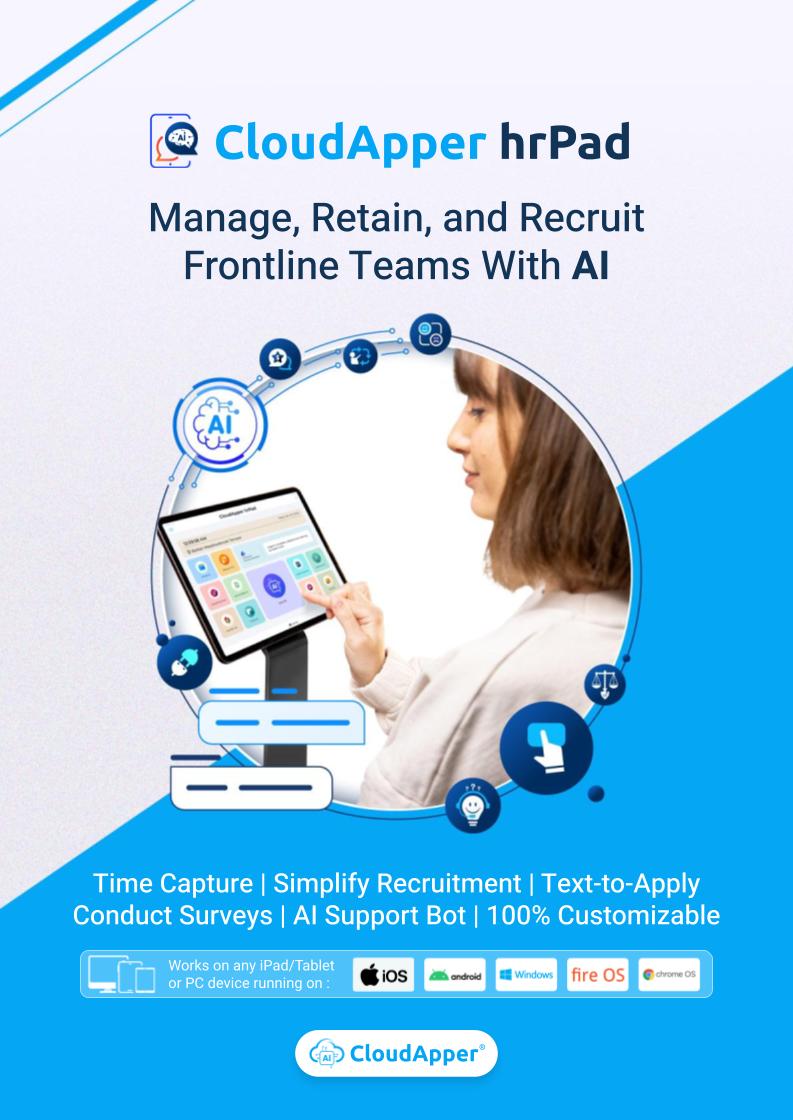
Here’s the HR-specific twist: for many frontline workers, “DEX” isn’t Teams + email + dashboards. It’s the moments that decide whether their day runs smoothly:
- “Did my punch record correctly?”
- “Can I check my PTO balance without calling someone?”
- “Can I swap shifts without a manager bottleneck?”
- “Can I get a clear answer to a policy question right now?”
If those moments are painful, DEX is painful—no matter how modern the rest of the stack looks.
hrPad as “ambient HR”: phygital support at the point of work
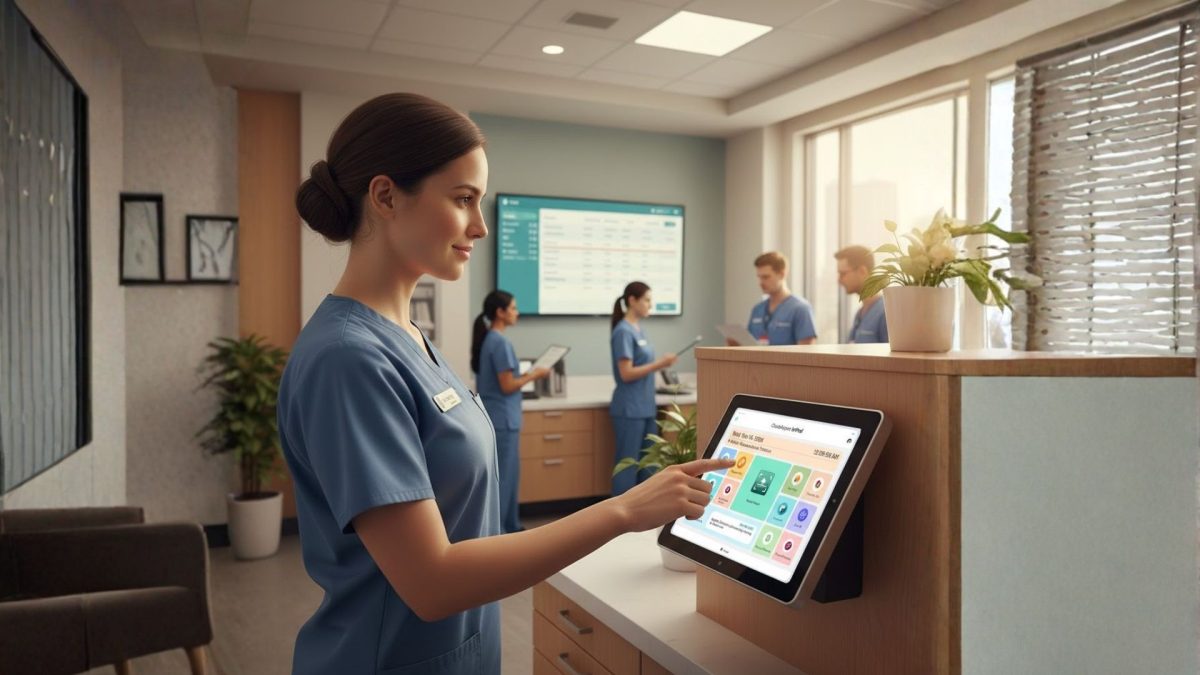
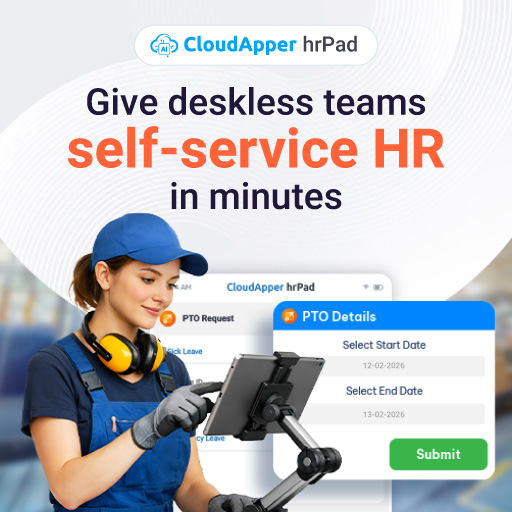
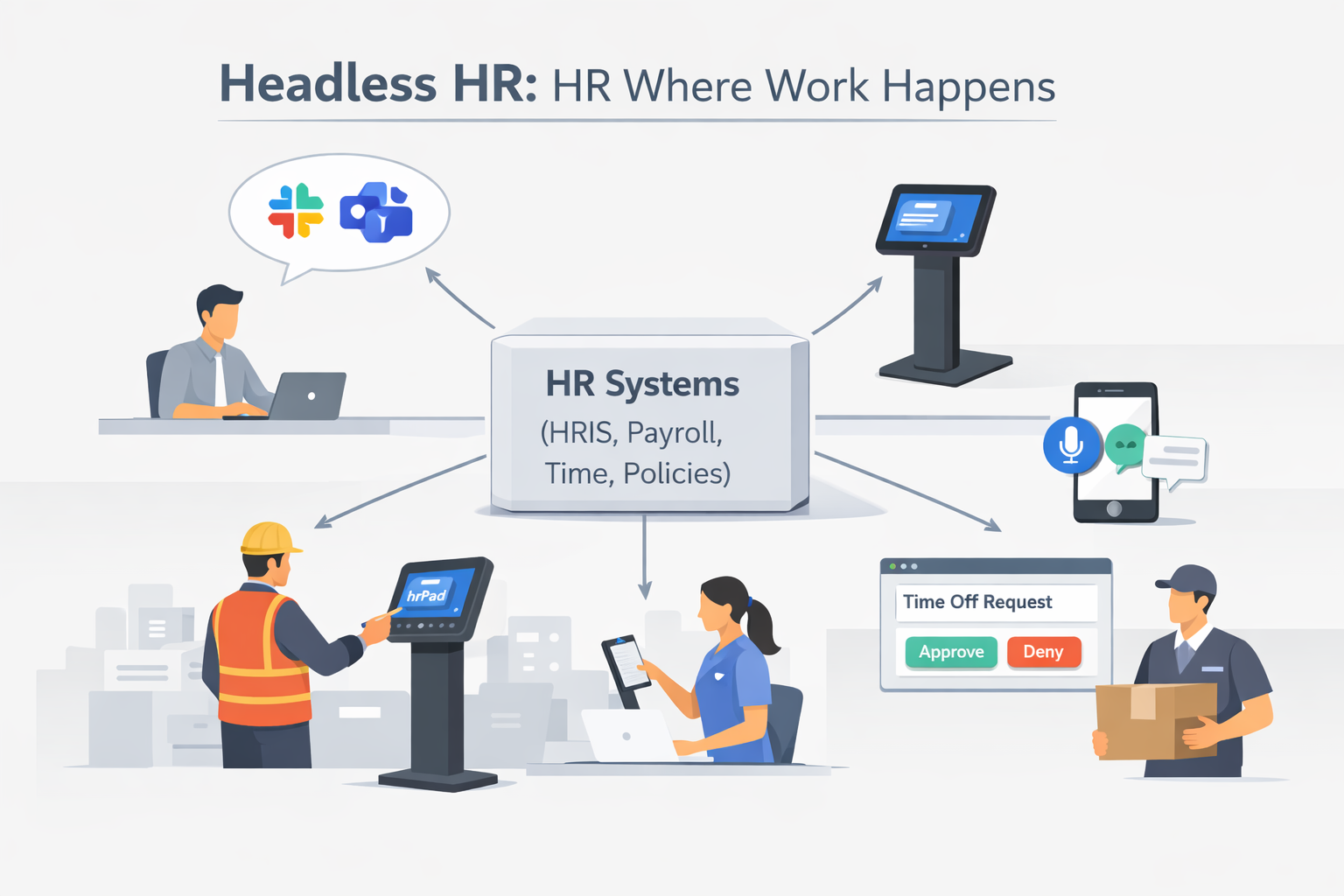
CloudApper hrPad is designed around a simple reality: many employees don’t sit at desks, don’t check email during shifts, and don’t want another app. hrPad turns shared tablets into an employee self-service kiosk that delivers HR service where employees already are—break rooms, entrances, shop floors, nurse stations, and dispatch areas.
That “phygital” placement changes behavior.
Instead of interrupting employees with more notifications and tool switching (a known contributor to digital stress), hrPad creates a predictable, low-friction “place” for HR tasks—like a modern version of the time clock, but expanded into HR service delivery.
Ambient wellness isn’t a meditation app. It’s fewer stressful HR moments.
A lot of workplace wellness messaging gets stuck on programs. But employees experience stress in micro-moments: uncertainty, delays, payroll mistakes, unclear policies, and repeated questions.
hrPad targets those pressure points through:
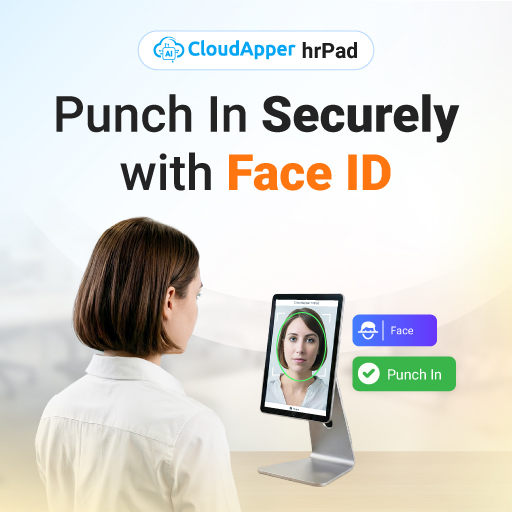
- Reliable time capture with identity verification (e.g., Face ID and other verification options) to reduce disputes and “buddy punching” concerns.
- Self-service PTO and accrual visibility so employees can plan without waiting.
- Shift actions (bid, swap, confirm) that reduce last-minute chaos.
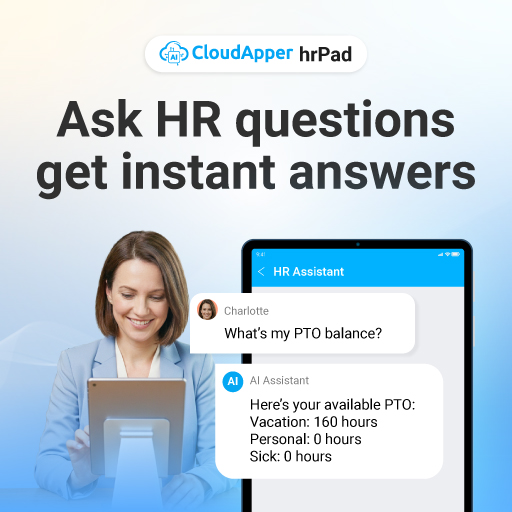
- A 24/7 AI HR assistant that answers repetitive HR questions consistently, based on policy.
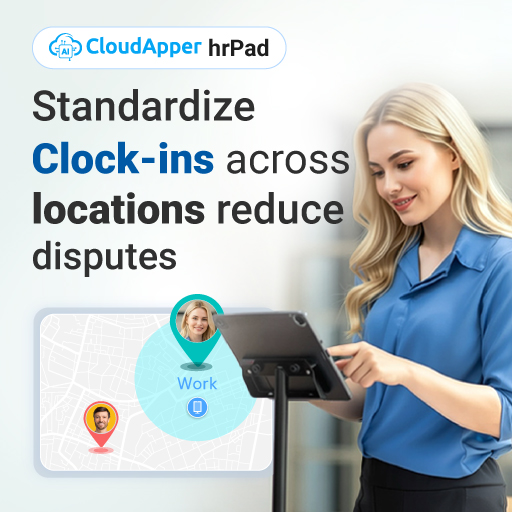
- Geofencing/location-aware rules to support multi-site accountability and automation.
These aren’t “wellness features” in the typical sense. But they reduce the kinds of friction that fuel stress: confusion, uncertainty, and wasted time.
FOBO is real—so design AI like a supportive teammate, not a replacement
FOBO shows up when AI feels like it’s taking away people’s agency: deciding, judging, or monitoring without transparency. That’s one reason the phygital trend is moving away from intrusive experiences and toward supportive, “background” help.
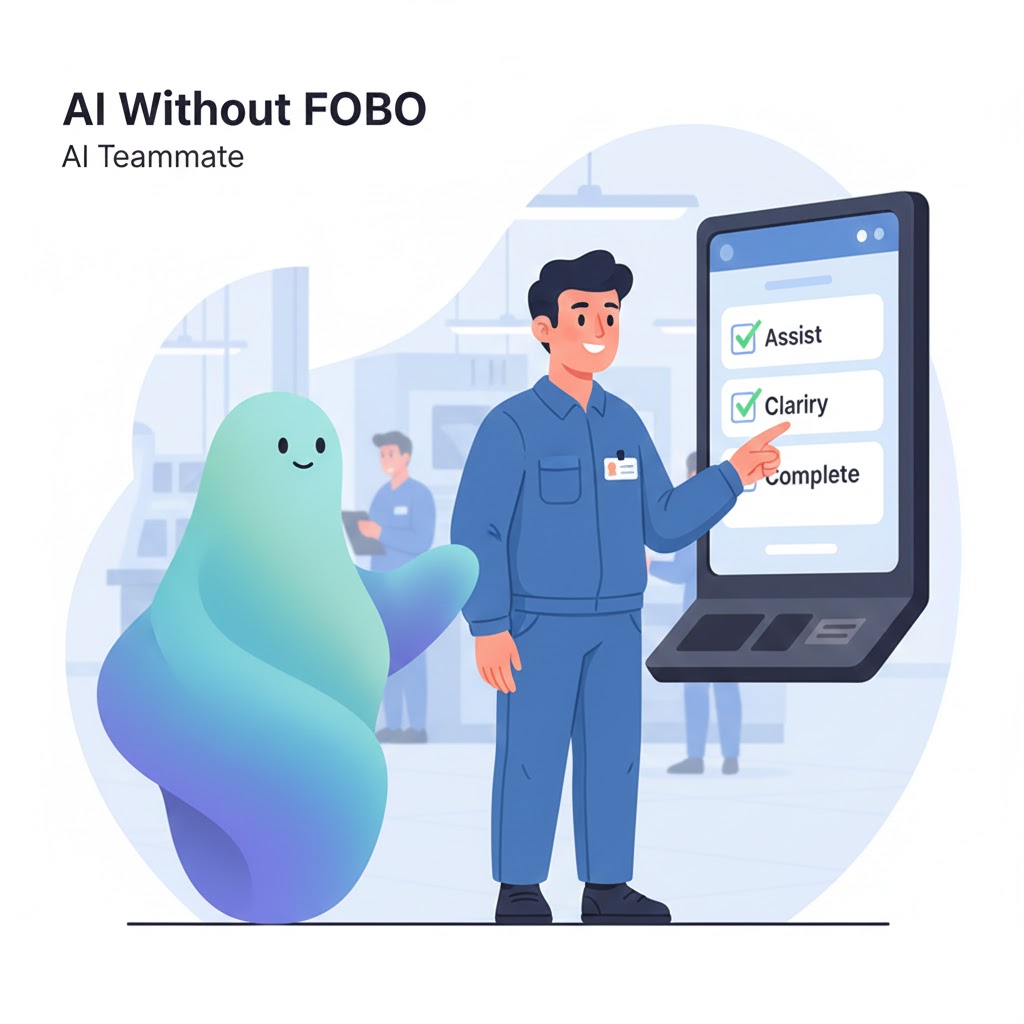
Workplace commentary on FOBO often frames it as an emotional response to rapid automation and shifting job boundaries. The practical leadership question is:
How do we adopt AI in a way that increases employee confidence instead of anxiety?
With HR, there’s a strong answer: make AI an assistant for clarity and completion, not a black box for evaluation.
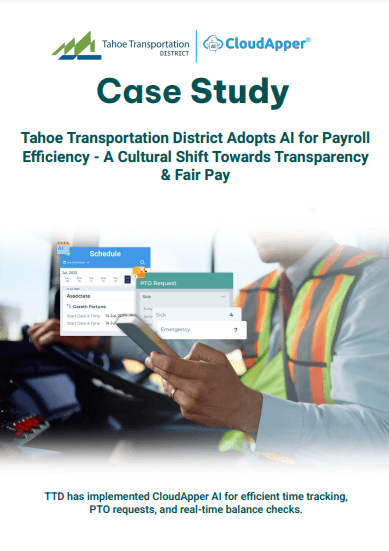
hrPad’s value here is the shape of the experience:
- It’s designed to help employees complete common HR tasks (time, leave, shifts, forms) quickly.
- It can give consistent answers to repetitive questions, reducing policy “telephone tag.”
- It can be configured to match organizational workflows, rather than forcing employees into generic pathways.
That positioning matters. When AI clearly reduces hassle (and doesn’t feel like it’s “grading” employees), adoption tends to feel like support, not threat.
How hrPad improves DEX in measurable ways
If DEX is the scoreboard, hrPad contributes to the metrics that actually move for HR and Ops teams—especially in high-volume environments:
1) Lower friction in high-frequency tasks
Time capture, PTO checks, and shift actions happen constantly. Reducing steps in these workflows improves “everyday experience” more than launching a new program.
2) Fewer repeat questions and tickets
A consistent HR assistant that can answer policy questions at the kiosk reduces repetitive pings to HR or managers, which is one of the quiet drains on HR capacity.
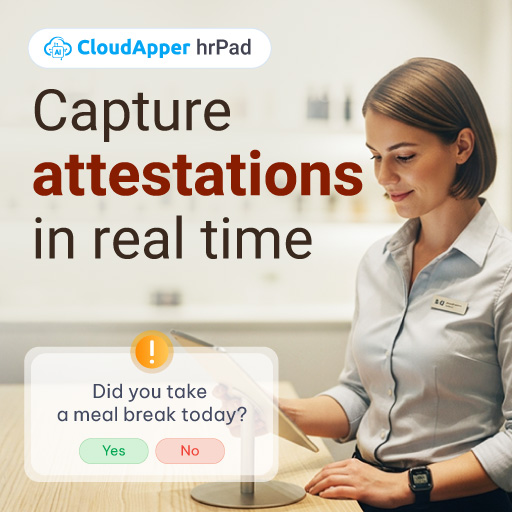
3) Higher completion rates for required actions
Whether it’s attestations, acknowledgements, or custom forms, placing actions at a shared kiosk increases the likelihood employees complete what they need, when they need to.
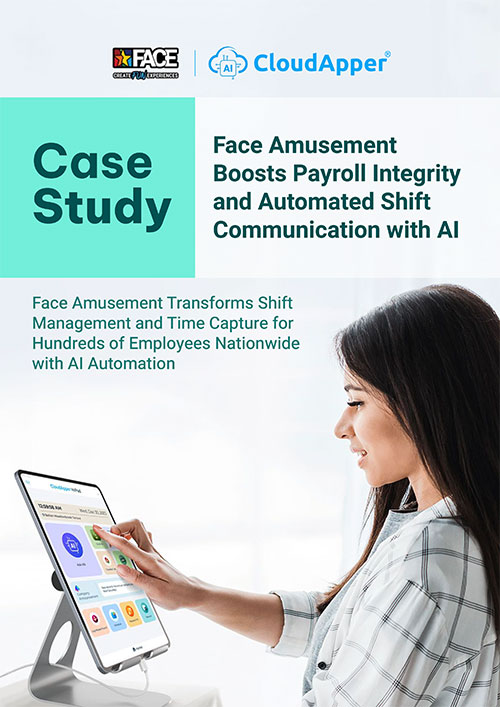
4) Cleaner payroll inputs
Identity verification and policy-based controls can reduce exceptions and disputes that create churn across payroll and HR teams.
This is where hrPad becomes more than a time clock replacement. It becomes an operational “bridge” that links physical work to digital workflows with minimal interruption—the heart of phygital design.
The “ambient wellness” playbook for HR leaders (without the hype)
If you want to bring the “restoring balance” idea into HR service delivery, the implementation approach is refreshingly grounded:
Start with the moments employees most often dread. In many organizations, that’s timekeeping corrections, PTO confusion, shift coverage, and policy questions.
Then design for three principles:
Make it accessible: Shared kiosks remove device and login barriers for deskless teams.
Make it consistent: AI answers should be aligned to policy, not improvised by whoever is available.
Make it respectful: Avoid “creepy” automation. Use identity verification to protect fairness, and be transparent about what is and isn’t tracked.
This approach supports wellness in the way employees actually feel it: fewer interruptions, fewer disputes, faster answers, and more autonomy over everyday work logistics.
FAQ
What is a phygital workplace?
A phygital workplace blends physical spaces with digital support so employees can get what they need with less friction—without constantly switching apps or tools.
What is “ambient wellness” at work?
It’s the idea that the work environment quietly supports focus and well-being (through better design and supportive technology) instead of adding more interruptions and digital noise.
How does hrPad support DEX?
hrPad improves DEX by reducing friction in frequent HR tasks (timekeeping, PTO, shifts), providing consistent self-service support through an AI HR assistant, and making HR access available at the point of work on shared devices.
What is FOBO in the workplace?
FOBO stands for Fear of Becoming Obsolete—anxiety that AI and automation may reduce job security or devalue skills as AI takes on more work.
Why this matters now
If 2025 was about adding AI, 2026 is about integrating AI without increasing overload. Microsoft’s research on constant interruptions and the growing conversation around technostress makes it clear that “more tools” is not the same as “better experience.”
The phygital direction is a correction: use technology to support humans quietly and effectively, in the right place, at the right time.
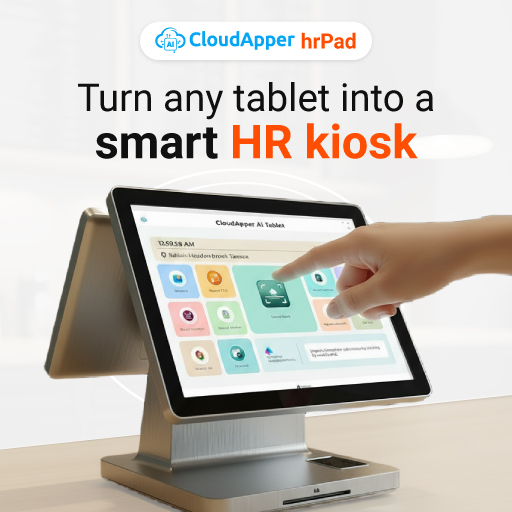
For HR service delivery, hrPad is a practical phygital move. It doesn’t ask frontline employees to live inside another app. It brings timekeeping and HR self-service into the physical flow of work—powered by AI agents that reduce repetitive workload while giving employees faster, clearer support.
And if you’re measuring success through DEX—how well technology supports focus, autonomy, and day-to-day momentum—this is exactly the kind of change that shows up on the scoreboard.

What is CloudApper AI Platform?
CloudApper AI is an advanced platform that enables organizations to integrate AI into their existing enterprise systems effortlessly, without the need for technical expertise, costly development, or upgrading the underlying infrastructure. By transforming legacy systems into AI-capable solutions, CloudApper allows companies to harness the power of Generative AI quickly and efficiently. This approach has been successfully implemented with leading systems like UKG, Workday, Oracle, Paradox, Amazon AWS Bedrock and can be applied across various industries, helping businesses enhance productivity, automate processes, and gain deeper insights without the usual complexities. With CloudApper AI, you can start experiencing the transformative benefits of AI today. Learn More
Brochure
CloudApper hrPad
Empower Frontline Employees with an AI-Powered Tablet/iPad Solution
Download Brochure
CloudApper AI Solutions for HR
- Works with


- and more.







Similar Posts
Your HR Portal Isn’t “Broken”—It’s Just in the Wrong Place:…
Why UKG Pro Employee Self Service Adoption Struggles and How…