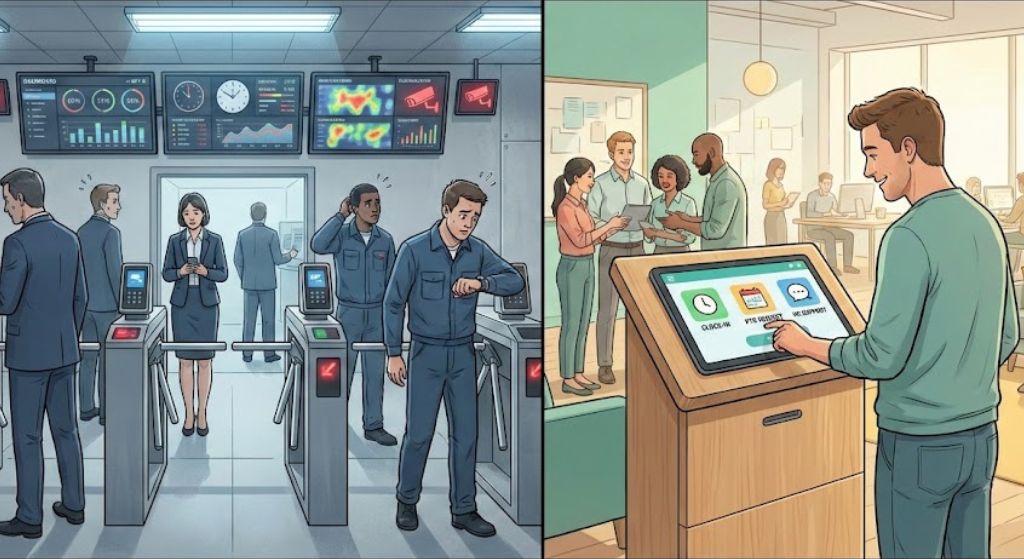
AI is producing more work, not less. As “workslop” spreads—polished but low-quality output that creates rework—HR leaders must rethink AI adoption. This article explains why effort saved matters more than time saved, where AI truly belongs in HR service delivery, and how frontline workflows like time, PTO, and scheduling are the real opportunity to reduce friction, errors, and burnout.

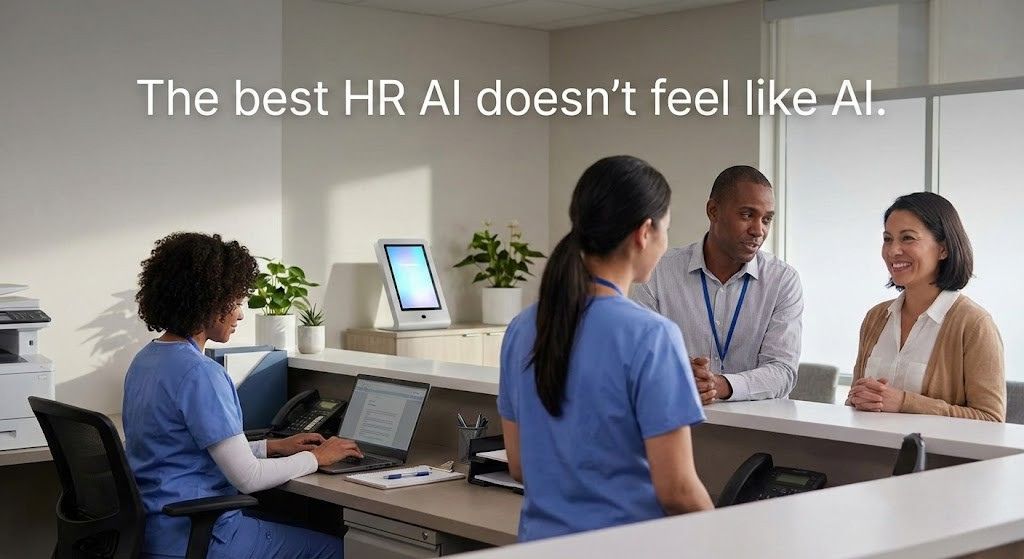
Table of Contents
If you lead HR right now, you’ve probably felt the irony: we rolled out “productivity” AI, and suddenly everyone is producing more… while HR, payroll, and managers are cleaning up more.
That’s the trap behind what Gartner is calling AI “workslop”—fast, polished-looking output that’s low quality or not fit for purpose, creating rework and friction instead of relief.
And here’s the part that should make every CHRO pause: the biggest problem isn’t that people use AI. It’s that many organizations are pushing adoption so broadly that employees don’t have the time, autonomy, or standards to validate whether the output is correct, compliant, or even helpful. Gartner’s framing is blunt: the best HR leaders will focus on saving effort, not just time, by aiming AI at the most arduous, friction-filled moments of work.
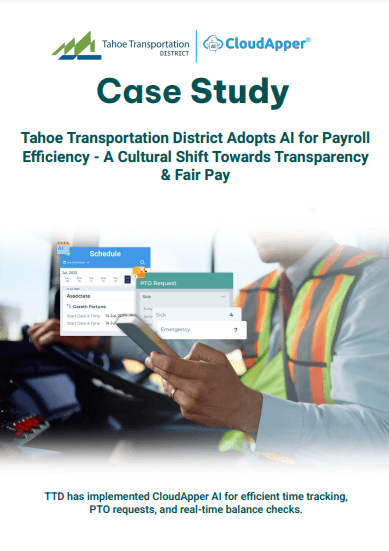
That effort-first lens is exactly how I think about hrPad—not as another AI tool employees must “learn,” but as an HR service delivery system that reduces the most exhausting moments of frontline work: clocking in, finding answers, handling routine requests, and fixing time/pay issues that should never have happened in the first place.
Why “workslop” is a CHRO problem
I don’t care how good your HR policies are—if employees experience HR as friction, they will find workarounds. And when AI gets added to that mix without guardrails, the workarounds multiply.
“Workslop” shows up in organizations as:
- Low-quality outputs that look complete (but require someone else to interpret, correct, or redo).
- Fake speed (work moves faster into someone else’s queue).
- Decision risk (polished language hides missing facts and compliance gaps).
This isn’t theoretical. Reporting on a study of desk workers, Axios described “workslop” as content that “appears polished but lacks real substance,” and noted real costs in time and money because recipients must fix or redo the work.
Microsoft’s research community has also warned that AI “workslop” can look useful while being incomplete or inaccurate—undermining productivity because the recipient must interpret and correct it.
So yes, workslop is an “AI quality” issue. But practically? It becomes an HR operating model issue because HR is where friction becomes visible:
- time corrections
- PTO misunderstandings
- policy “telephone games”
- schedule disputes
- tickets that bounce between HR and managers
- payroll anxiety that erodes trust
If your AI strategy mainly optimizes output volume, you will eventually pay for it in rework volume.
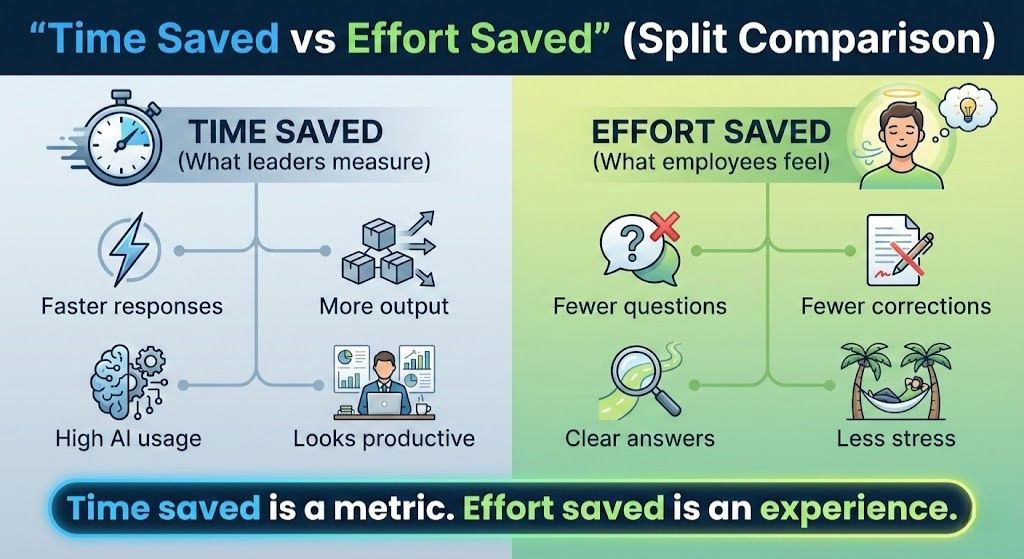
The shift HR leaders need to make: from time saved to effort saved
Time saved is easy to sell and hard to verify. Effort saved is what employees actually feel.
Effort is the invisible tax behind things like:
- “I don’t know where to ask.”
- “I’ll just wait until my manager is free.”
- “I’m not sure what policy applies here.”
- “I’ll deal with it on my next day off.”
- “Payroll messed up again.”
Gartner’s point about targeting “arduous, friction-filled moments” is where the real HR value is—because those moments create stress, resentment, and avoidable turnover pressure.
Here’s the mindset shift I recommend:
Don’t ask, “Where can AI generate content faster?”
Ask, “Where does work feel hardest, slowest, and most error-prone?”
That answer is rarely “write more emails.” It’s usually:
- Clock-in/clock-out friction
- Time policy confusion
- PTO balance uncertainty
- Shift swaps and coverage
- Getting an HR question answered without waiting
- Documenting required attestations and forms
This is frontline reality. And it’s exactly where hrPad fits.
Where hrPad naturally reduces workslop: standardized workflows, not “more content”
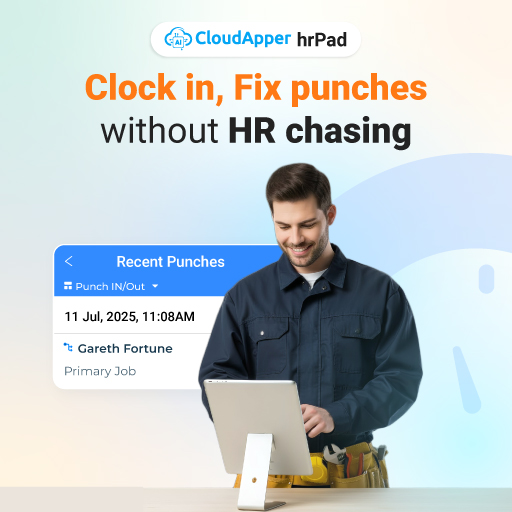
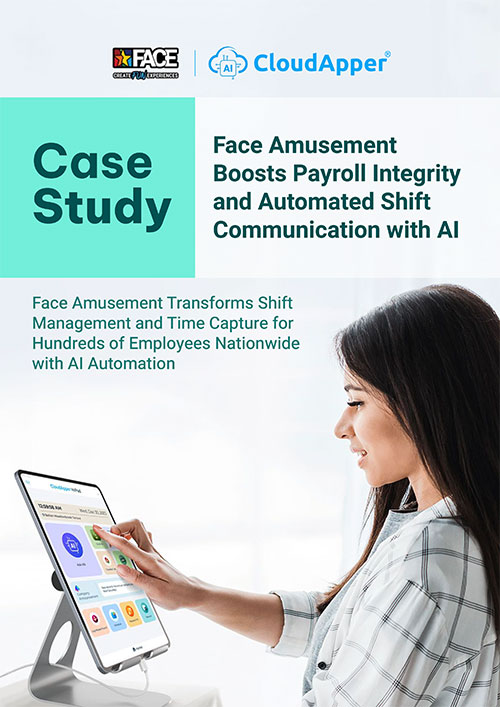
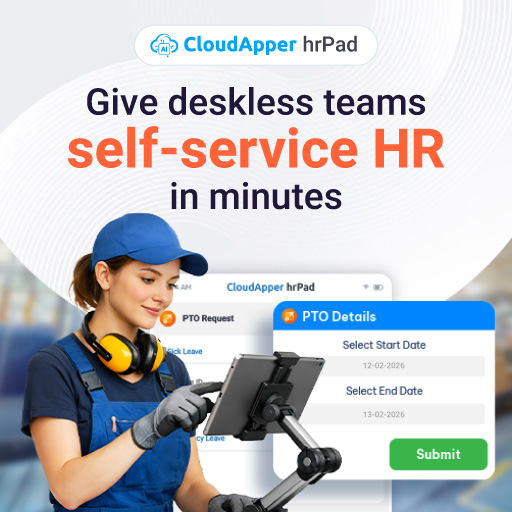
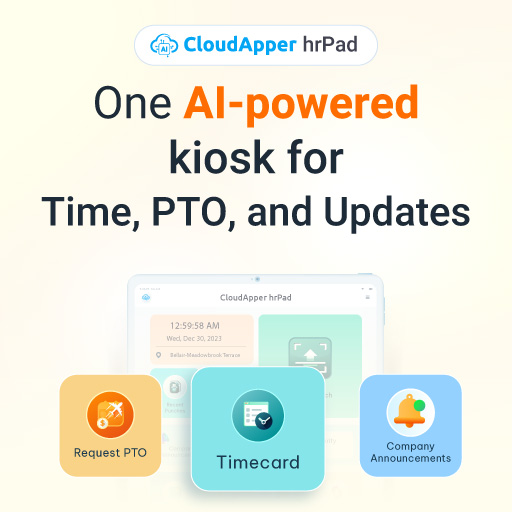
hrPad is an employee self-service kiosk that runs on regular tablets and acts like an always-available HR front door. Instead of employees generating “AI outputs” that someone else must check, hrPad uses purpose-built AI agents and guided workflows to complete routine HR service tasks correctly, the first time.
That distinction matters:
- Workslop thrives when people use AI to produce things they don’t validate.
- HR service delivery improves when AI is used to resolve things with guardrails.
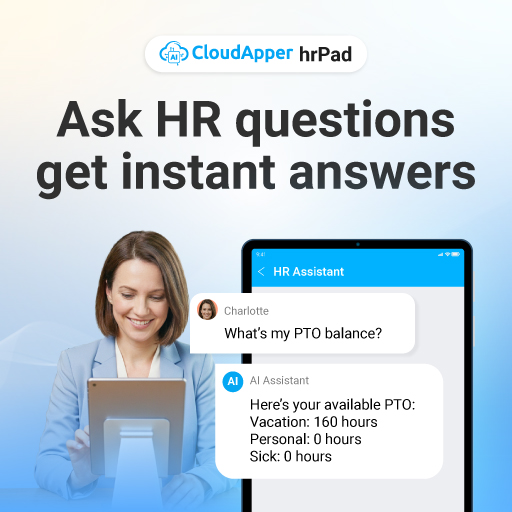
With hrPad, the employee isn’t creating a draft email about PTO. They’re completing a structured request, seeing the right balance, and getting a consistent response—without waiting, without escalation, without rework.
In practice, hrPad reduces effort in three important ways:
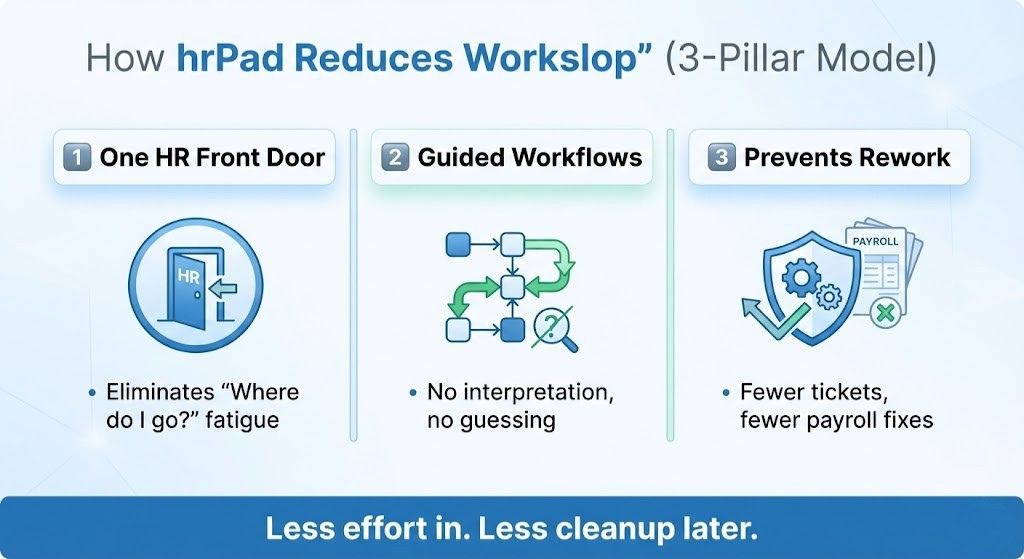
1) It removes “where do I go?” decision fatigue
Frontline employees don’t want a portal maze. They want one reliable touchpoint that works on their schedule.
2) It reduces the “interpretation layer”
A surprising amount of HR friction is translation: interpreting policy, interpreting time rules, interpreting eligibility. hrPad’s AI assistant can deliver consistent answers aligned to policy so employees aren’t guessing.
3) It prevents downstream rework
When time capture, PTO requests, and shift workflows run through controlled paths, you reduce the “fix it later” cycle that burns HR and payroll capacity.
A real-world HRSD view: what I would automate first (and why)
If I’m advising an HR team, I’d prioritize the moments that create repeated tickets, payroll corrections, and manager interruptions:
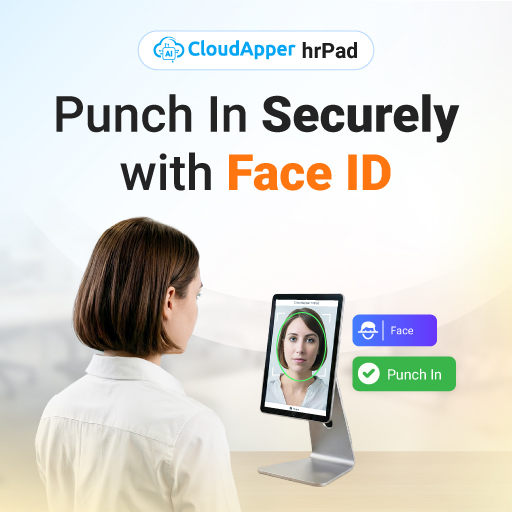
Timekeeping confidence
Clock-in/out is not just a punch. It’s trust. When employees don’t trust time, they don’t trust payroll.
PTO and accrual clarity
The fastest way to create friction is to make people “wait to know” whether they can take time off. hrPad supports checking balances and submitting requests through self-service flows.
Shift actions (swap, bid, confirm)
In high-volume environments, shift friction becomes attendance friction. Attendance friction becomes turnover friction.
24/7 HR answers
If HR is the bottleneck for repetitive questions, employees will either stop asking (risk) or ask managers (cost). A well-configured HR assistant reduces both.
The theme is consistent: these are not “AI writing tasks.” They’re effort drains—and that’s why they’re the right target.
How to measure “effort saved” so you don’t accidentally fund more workslop
If you only track adoption (“how many people used AI”), you’ll miss the point. Track outcomes that show effort leaving the system.
Here are measurements that I’ve found credible in real HR operations:
- Ticket deflection rate: fewer repetitive HR inquiries reaching HR.
- Payroll correction volume: fewer edits, fewer retro fixes.
- Time-to-resolution for common requests: PTO, policy, schedule issues.
- Manager interruptions: less “quick question” traffic.
- Employee confidence signals: fewer follow-ups, fewer disputes.
This aligns with the Gartner framing: use effort as the indicator for where AI should reshape work.
The HR leader’s guardrail: don’t mandate AI everywhere—standardize it where it matters
One of the most damaging patterns I’m seeing is “AI everywhere” mandates. They create two problems at once:
- Employees feel pressured to use tools even when the output isn’t reliable.
- Leaders mistake activity for impact.
Workslop grows in that environment. The fix isn’t banning AI—it’s designing where AI is allowed to act without creating rework.
That’s why HR service delivery is such a strong use case: it’s repeatable, governed, and measurable. And that’s where hrPad is naturally positioned—at the exact intersection of employee experience and operational control.
FAQ’s
What is AI workslop?
AI workslop is fast, poor-quality work produced by or with AI that looks acceptable but creates rework because it lacks substance, accuracy, or fit-for-purpose detail.
How do I reduce workslop without slowing innovation?
Stop optimizing for AI usage volume. Optimize for effort removed from high-friction workflows, with standards, governance, and measurable outcomes like fewer corrections and fewer tickets.
Where should HR apply AI first?
Start with the friction-filled moments: timekeeping, PTO, schedules, repetitive policy questions, and routine HR service requests—where better workflows reduce rework and stress.
How does hrPad help?
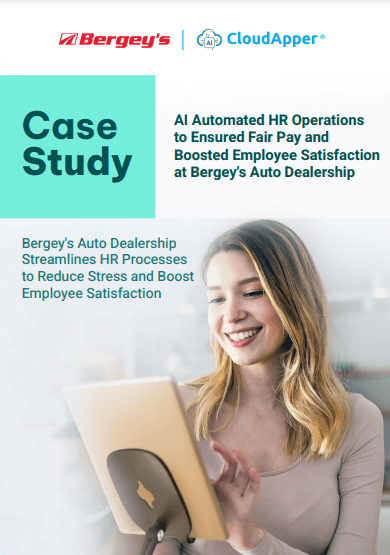
hrPad acts as an employee self-service kiosk powered by AI agents for HR service delivery—automating routine workforce tasks and delivering consistent answers through structured workflows instead of ad-hoc AI content generation.
Final thought:
The AI that truly improves employee experience won’t feel like “AI.” It will feel like fewer interruptions, fewer corrections, fewer “I’ll deal with it later” moments.
That’s what I like about the effort-first approach. It forces us to stop chasing shiny outputs and start fixing the parts of work that quietly exhaust people.
If you want AI to reduce workslop instead of multiplying it, don’t start with content generation. Start with service delivery. Put AI where employees feel friction the most—then measure whether effort actually leaves the system.
That’s the lane where hrPad fits naturally: practical, frontline-friendly HRSD that makes everyday HR work lighter, not louder.

What is CloudApper AI Platform?
CloudApper AI is an advanced platform that enables organizations to integrate AI into their existing enterprise systems effortlessly, without the need for technical expertise, costly development, or upgrading the underlying infrastructure. By transforming legacy systems into AI-capable solutions, CloudApper allows companies to harness the power of Generative AI quickly and efficiently. This approach has been successfully implemented with leading systems like UKG, Workday, Oracle, Paradox, Amazon AWS Bedrock and can be applied across various industries, helping businesses enhance productivity, automate processes, and gain deeper insights without the usual complexities. With CloudApper AI, you can start experiencing the transformative benefits of AI today. Learn More
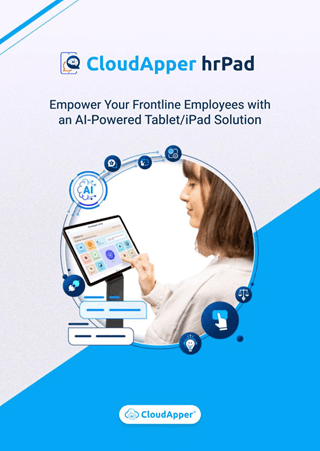
Brochure
CloudApper hrPad
Empower Frontline Employees with an AI-Powered Tablet/iPad Solution
Download Brochure
CloudApper AI Solutions for HR

- Works with


- and more.







Similar Posts
Why UKG Pro Employee Self Service Adoption Struggles and How…

Beyond Burnout: Job Hugging Is the New Stagnation Risk HR…