Seasonal hospitality hiring puts hotels, resorts, and restaurants under intense time pressure. See how CloudApper AI Recruiter automates candidate applications, role-specific screening, ranking, outreach, and interview scheduling while keeping recruiters in control of final hiring decisions across every peak season.

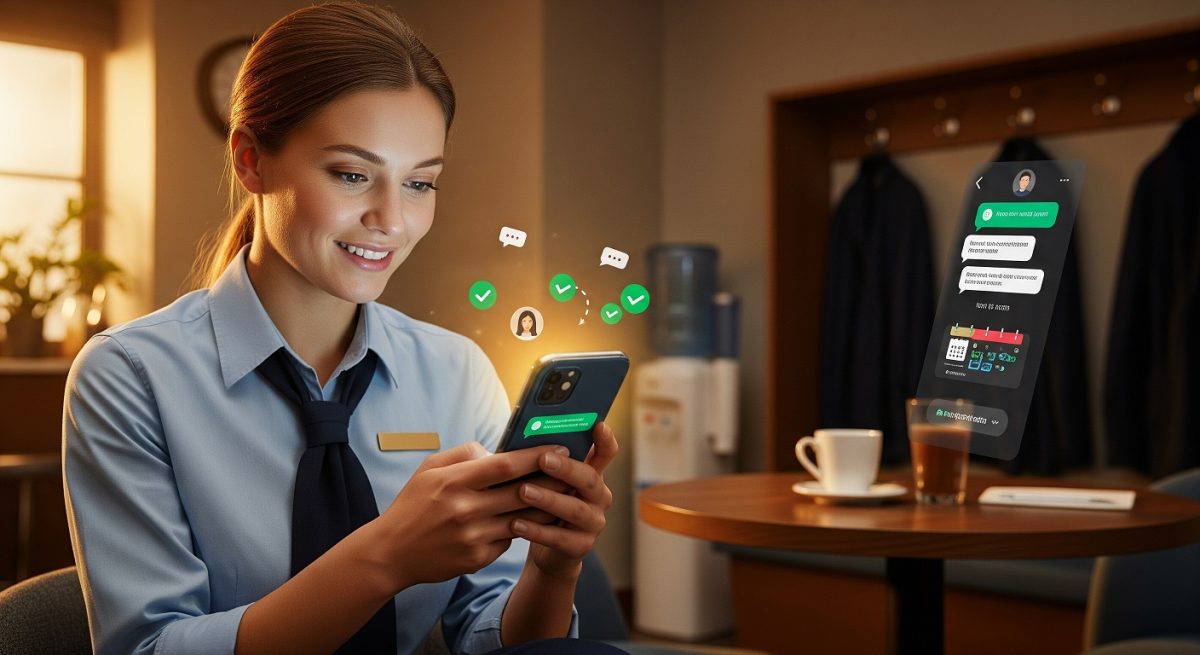
Table of Contents
- TL;DR
- The Challenges of Seasonal Hospitality Hiring
- How AI Recruiter Simplifies the Entire Process
- Real-World Benefits for Hospitality Employers
- Why Now’s the Time to Automate Seasonal Hiring
- Frequently Asked Questions
- Turn Hiring Surges Into a Competitive Advantage
As peak seasons hit, hotels, resorts, and restaurants across the U.S. and Canada scramble to staff up quickly—often within weeks. The pressure is immense. Recruiters face a flood of applications, hours lost to manual scheduling, and frustrating levels of candidate ghosting. For those managing seasonal hospitality hiring, it’s a familiar story of stress, urgency, and inconsistency.

CloudApper’s AI Recruitment Platform was built to eliminate those headaches. By streamlining every stage of recruitment—from application to onboarding—it empowers hospitality employers to scale with confidence and hire faster, smarter, and more reliably every season.
TL;DR
- AI helps hospitality employers manage seasonal hiring surges without proportionally increasing recruiter workload.
- CloudApper AI Recruiter automates mobile applications, role-specific screening, candidate ranking, outreach, and interview scheduling.
- Qualified candidates move from application to interview faster while recruiters retain control over hiring decisions.
- ATS and HCM integration keeps candidate data, scores, statuses, and scheduling information synchronized.
- Hotels, resorts, and restaurants can rediscover previous applicants and seasonal workers for recurring staffing needs.
The Challenges of Seasonal Hospitality Hiring
Seasonal hospitality recruitment is difficult because hiring demand rises quickly, but recruiter capacity usually does not. A hotel may need front-desk associates, housekeepers, servers, kitchen staff, maintenance employees, lifeguards, and event workers at the same time. Those roles may also have different availability, experience, language, certification, and location requirements.
Application Volume Arrives All at Once
Seasonal campaigns can generate hundreds of applications within days. Recruiters must find candidates who meet essential requirements before the property becomes understaffed, but manually opening resumes and comparing applications slows the process.
When screening takes too long, qualified applicants may accept jobs elsewhere. Hiring managers can also feel pressured to lower standards simply because shifts must be filled before occupancy or guest demand increases.
Hospitality Candidates Expect a Fast, Mobile Process
Many seasonal applicants search and apply from their phones. Long forms, account creation, forgotten passwords, and application experiences that are difficult to use on mobile devices introduce unnecessary friction. Candidates may leave before completing the application or choose an employer offering a simpler process.
Speed after the application matters as well. Applicants who wait several days for acknowledgment, screening, or an interview invitation may assume the position has already been filled.
Availability and Job Requirements Must Be Verified Early
A resume rarely confirms everything a hospitality employer needs to know. Recruiters may need to verify weekend or evening availability, preferred location, earliest start date, work authorization, language ability, required certifications, transportation, or willingness to work through the full season.
If these questions are not asked until a phone screen, recruiters can spend valuable time speaking with candidates who cannot meet fundamental job requirements.
Scheduling Becomes an Operational Bottleneck
Coordinating interviews across multiple properties, hiring managers, time zones, and shifting schedules creates extensive back-and-forth. Delayed confirmations and missed reminders can lead to no-shows, while rescheduling adds more administrative work during an already compressed hiring period.
Seasonal Talent Is Often Lost After the Peak
Hospitality organizations frequently start each season as if they have never hired before. Former employees, qualified previous applicants, and candidates who were unavailable for one opening may remain buried in the ATS. Without an organized process for rediscovery and re-engagement, recruiters repeatedly pay to attract and screen new applicants.

How AI Recruiter Simplifies the Entire Process
CloudApper AI Recruiter acts as an automation layer around the organization’s existing recruiting technology. Its workflow connects the stages that tend to slow seasonal hiring: application, screening, ranking, communication, and scheduling.
1. Make Seasonal Jobs Easier to Apply For
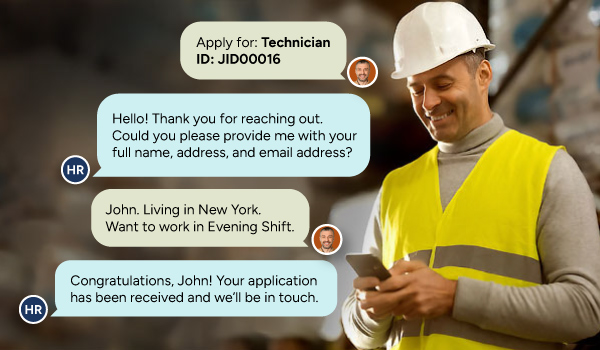
Candidates can enter the recruitment pipeline through a careers page or job board. Hospitality employers can also place QR codes or text-to-apply instructions on property signage, event materials, social posts, employee referral messages, or local advertising.
A mobile conversational application guides candidates through the process, collects their information, and answers common questions. This gives applicants a direct path into the hiring workflow without requiring a separate, lengthy form.
2. Screen Applicants With Role-Specific Questions
CloudApper AI Recruiter can ask questions configured for a particular position, property, or hiring campaign. A resort hiring lifeguards might ask about certification and start dates, while a hotel hiring front-desk associates might prioritize shift flexibility, relevant experience, and language skills.
Objective minimum requirements can be handled as qualification rules. Other information can contribute to a candidate’s score rather than triggering automatic rejection. Recruiters can review responses, handle exceptions, and adjust criteria when operational needs change.
3. Score and Rank Candidates for Recruiter Review
AI Recruiter analyzes application information, resumes, and screening responses against role-specific criteria. It then provides candidate scores, summaries, and a ranked shortlist so recruiters know where to focus first.
This does not transfer the final decision to AI. Recruiters and hiring managers still review the supporting information, decide who advances, conduct interviews, and make hiring selections. Automation helps them reach promising applicants before those candidates leave the market.
4. Keep Seasonal Candidates Engaged
The platform supports AI-powered candidate engagement through personalized email and SMS outreach, application acknowledgments, reminders, and status updates. Prompt communication gives candidates clear next steps and reduces the risk of losing them during periods of recruiter overload.
Hospitality employers can also use the existing talent pool for outbound hiring. Previous applicants or seasonal employees can be matched with relevant openings and invited to return, giving recruiters a warmer starting point for recurring hiring needs.
5. Let Qualified Candidates Schedule Interviews
After a candidate reaches the appropriate stage, CloudApper AI Recruiter can present available interview times based on connected calendars. The candidate selects a suitable interview time, and the workflow handles confirmations, reminders, and rescheduling.
Self-scheduling removes email and phone coordination while helping hiring managers meet qualified candidates sooner. It is particularly useful when several properties or departments are hiring simultaneously.
6. Keep the ATS or HCM System Current
Candidate information, screening results, scores, statuses, and scheduling activity can be synchronized through AI integration with the existing ATS. Recruiters continue working from their established system of record instead of maintaining separate spreadsheets or re-entering the same information.
This connected approach makes it easier for enterprise hospitality teams to coordinate hiring across properties while preserving a consistent candidate record.
Real-World Benefits for Hospitality Employers
Faster Movement From Application to Interview
Automated screening and scheduling can begin as soon as candidates apply. Recruiters can identify applicants who meet essential requirements and invite them forward without waiting for every resume to be reviewed manually.
More Capacity During Seasonal Surges
When routine screening, follow-ups, data entry, and calendar coordination require less manual effort, recruiters can spend more time interviewing candidates, advising hiring managers, resolving exceptions, and preparing locations for the season.
More Consistent Screening Across Properties
Job-specific questions and evaluation criteria create a repeatable process for candidates applying to the same role. Central talent acquisition teams can establish a common framework while allowing properties to account for legitimate local requirements.
A More Responsive Candidate Experience
Mobile applications, prompt messages, clear next steps, and self-scheduling make the process easier to complete. The experience feels organized even when the employer is processing a large seasonal applicant pool.
Better Reuse of Seasonal Talent
Maintaining candidate information in the ATS allows hospitality employers to reconnect with former seasonal workers and qualified applicants. Over time, the organization can build a reusable pool instead of restarting recruitment before every peak period.
Why Now’s the Time to Automate Seasonal Hiring
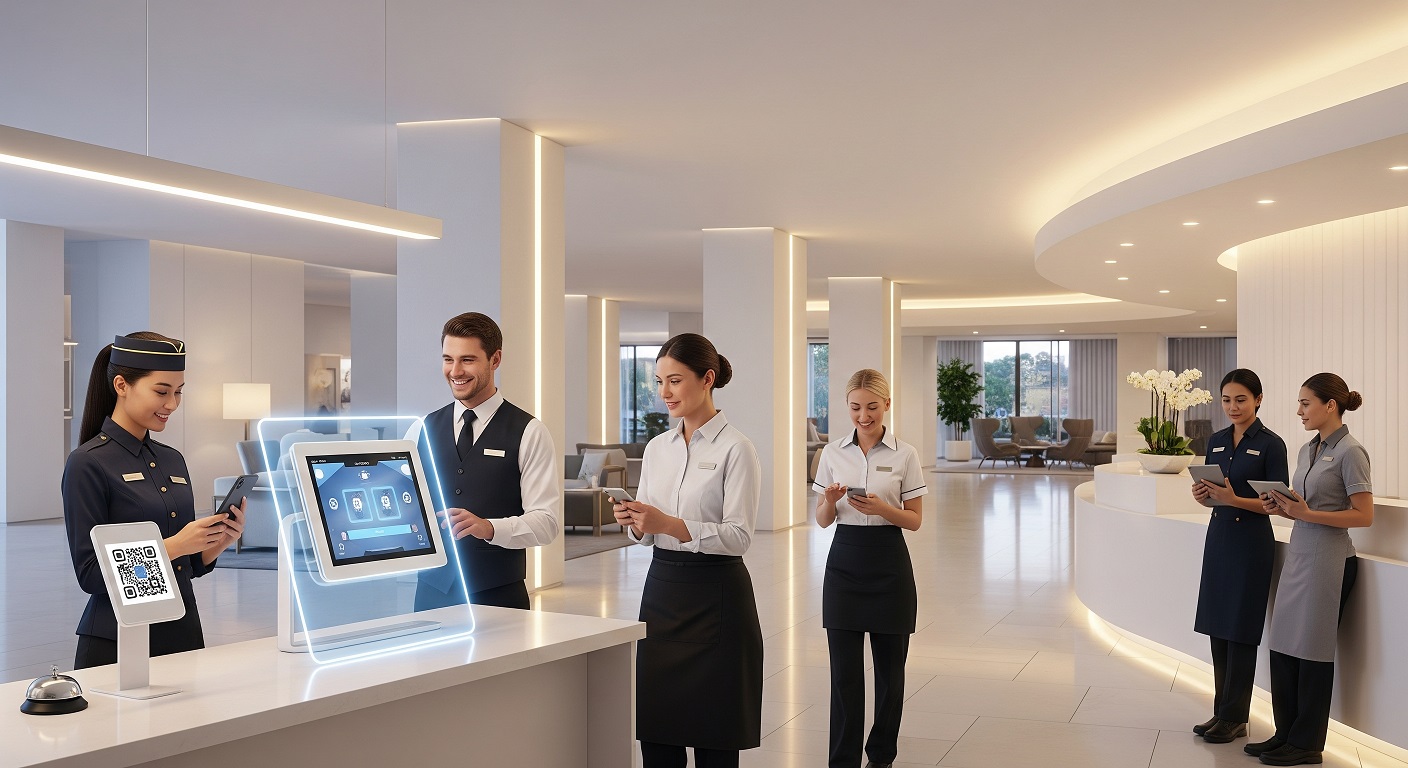
Seasonal hospitality employers compete not only with nearby hotels and restaurants but also with retail, travel, entertainment, and logistics companies hiring from the same frontline labor pool. Slow application reviews and scheduling delays can therefore become a competitive disadvantage.
Automation is most valuable when it supports a clearly defined process. Before launching it, hiring teams should identify their highest-volume roles, separate genuine minimum requirements from preferences, standardize screening questions, and decide which situations require recruiter review. A focused pilot at one property or for one role family can help the organization validate the workflow before expanding it.
Frequently Asked Questions
How Can AI Help With Seasonal Hiring in Hospitality?
AI can automate candidate capture, job-specific screening, resume review, ranking, outreach, interview scheduling, and ATS updates. This helps hospitality recruiters process seasonal applicant volume faster while maintaining human control over hiring decisions.
What Hospitality Roles Can AI Recruiting Software Support?
AI recruiting software can support high-volume roles across hotels, resorts, restaurants, cruise operations, casinos, and event venues. Examples include housekeeping, food service, front desk, guest services, maintenance, recreation, and seasonal event positions.
Can Candidates Apply Without Completing a Long Form?
Yes. CloudApper AI Recruiter can support conversational applications initiated through channels such as QR codes, text messages, and mobile chat. The workflow collects relevant candidate details and screening responses through a guided interaction.
Does CloudApper AI Recruiter Replace an Existing ATS?
No. CloudApper AI Recruiter is designed to work with existing ATS, HCM, and talent acquisition systems. Candidate data, screening results, scores, statuses, and interview information can move between the systems without requiring recruiters to maintain a separate hiring process.
Does AI Make the Final Seasonal Hiring Decision?
It should not. AI can organize information and prioritize candidates using employer-defined criteria, but recruiters and hiring managers should review recommendations, handle exceptions and accommodations, conduct interviews, and make final hiring decisions.
Turn Hiring Surges Into a Competitive Advantage
Seasonal hospitality hiring does not have to become a recurring cycle of resume overload, delayed interviews, and last-minute staffing decisions. A connected automation workflow can make jobs easier to apply for, screen candidates consistently, keep applicants informed, and move qualified people to interviews faster.
CloudApper AI Recruiter brings these steps together while working with the organization’s existing recruiting systems. Hospitality teams gain the capacity to handle peak-season demand, and recruiters remain focused on the human decisions that determine who joins the team.
See how CloudApper AI Recruiter can support your next seasonal hospitality hiring campaign.
What is CloudApper AI Platform?
CloudApper AI is an advanced platform that enables organizations to integrate AI into their existing enterprise systems effortlessly, without the need for technical expertise, costly development, or upgrading the underlying infrastructure. By transforming legacy systems into AI-capable solutions, CloudApper allows companies to harness the power of Generative AI quickly and efficiently. This approach has been successfully implemented with leading systems like UKG, Workday, Oracle, Paradox, Amazon AWS Bedrock and can be applied across various industries, helping businesses enhance productivity, automate processes, and gain deeper insights without the usual complexities. With CloudApper AI, you can start experiencing the transformative benefits of AI today. Learn More
- Useful Links:
- Agentic AI
- No-Code/Low-Code
- Custom Software
- HCM Personalization
- iPaaS
- FedRAMP
CloudApper AI Solutions for HR

- Works with








- and more.
Similar Posts
How to Standardize Candidate Selection Across Regional Hiring Teams

How to Close the Gap Between Screening Scores and What…