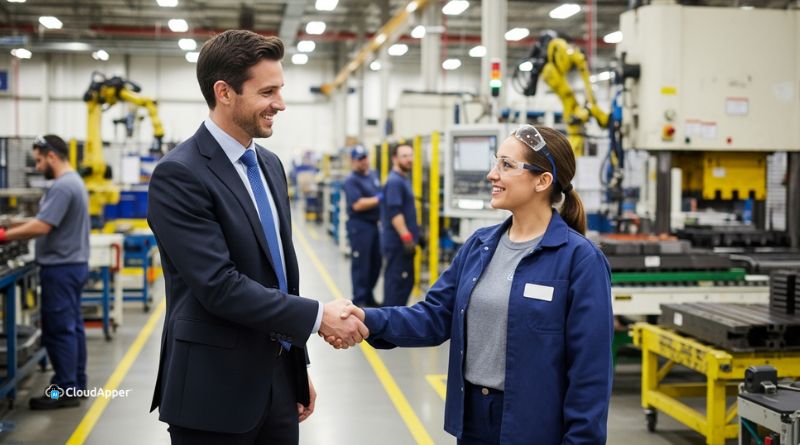
Automated screening algorithms evaluate job applicants using structured data, scoring models, and consistent logic. Learn how they reduce bias, improve speed, and help recruiters identify top talent at scale.


Table of Contents
Automated screening algorithms are no longer a behind-the-scenes experiment in recruitment—they’re now a core part of how modern hiring teams evaluate job applicants at scale.
As application volumes grow, timelines shrink, and expectations around fair hiring rise, traditional resume screening simply can’t keep up. Recruiters are expected to move faster and make better decisions—without introducing bias. That’s where automated screening algorithms step in. These systems bring structure, consistency, and speed to one of the most critical stages of hiring: early-stage candidate evaluation.
TL;DR
- Manual resume screening is slow, inconsistent, and prone to bias
- Automated screening algorithms evaluate applicants using structured, repeatable logic
- Resumes are parsed, matched to job requirements, scored, and ranked objectively
- Bias is reduced by standardizing evaluation across all candidates
- Recruiters save time and focus on higher-value hiring decisions
- Automated screening is quickly becoming the baseline for modern recruitment
Why Manual Resume Screening Breaks Down at Scale
Even the most experienced recruiters face limitations when screening resumes manually.
When hundreds—or thousands—of applications arrive for a single role, decisions are often made quickly and inconsistently. Review fatigue sets in. Attention shifts to surface-level signals like formatting, recognizable companies, or familiar job titles.
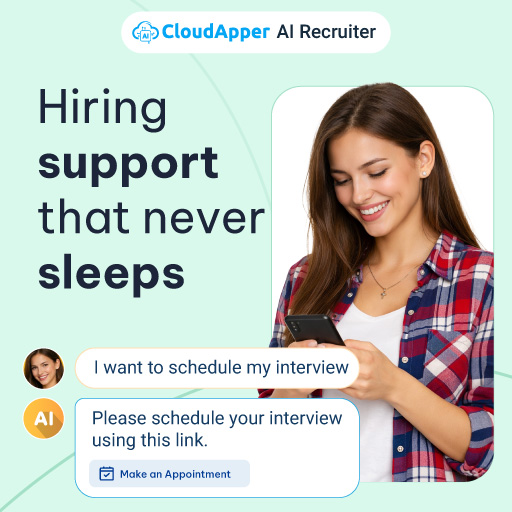
Unintentionally, this leads to:
- Qualified candidates being overlooked
- Over-reliance on keywords and buzzwords
- Inconsistent evaluation across applicants
- Bias creeping into early screening decisions
Manual screening simply wasn’t designed for today’s hiring volume or complexity.
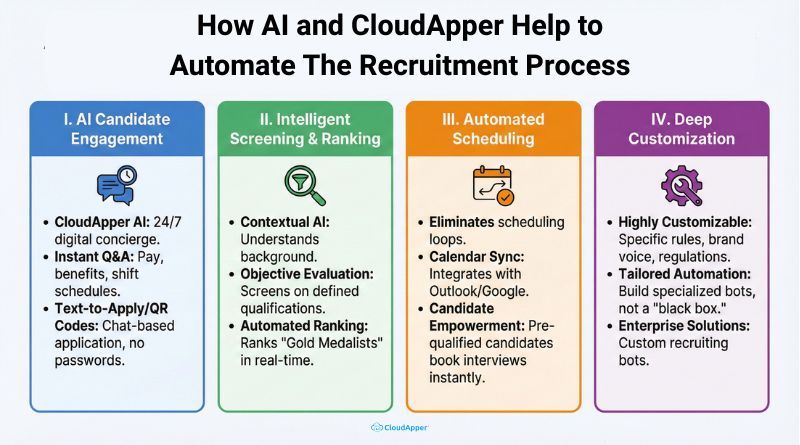
How Automated Screening Algorithms Work
Automated screening algorithms evaluate job applicants by applying structured, repeatable logic to every resume—removing guesswork from the process.
At a high level, these systems follow four key steps:
1. Resume Parsing and Structuring
Unstructured resumes are converted into structured data. The system extracts:
- Work history and tenure
- Skills and certifications
- Education and qualifications
- Location, languages, and role relevance
Every candidate is represented using the same standardized data model.
2. Job Requirement Mapping
The job description is broken down into measurable criteria—required skills, preferred experience, education level, and role-specific signals.
Each criterion can be weighted based on importance.
3. Algorithmic Matching and Scoring
The algorithm compares each candidate’s profile against the job requirements using consistent scoring logic.
Candidates aren’t judged on formatting or writing style—they’re evaluated on fit.
4. Ranking and Shortlisting
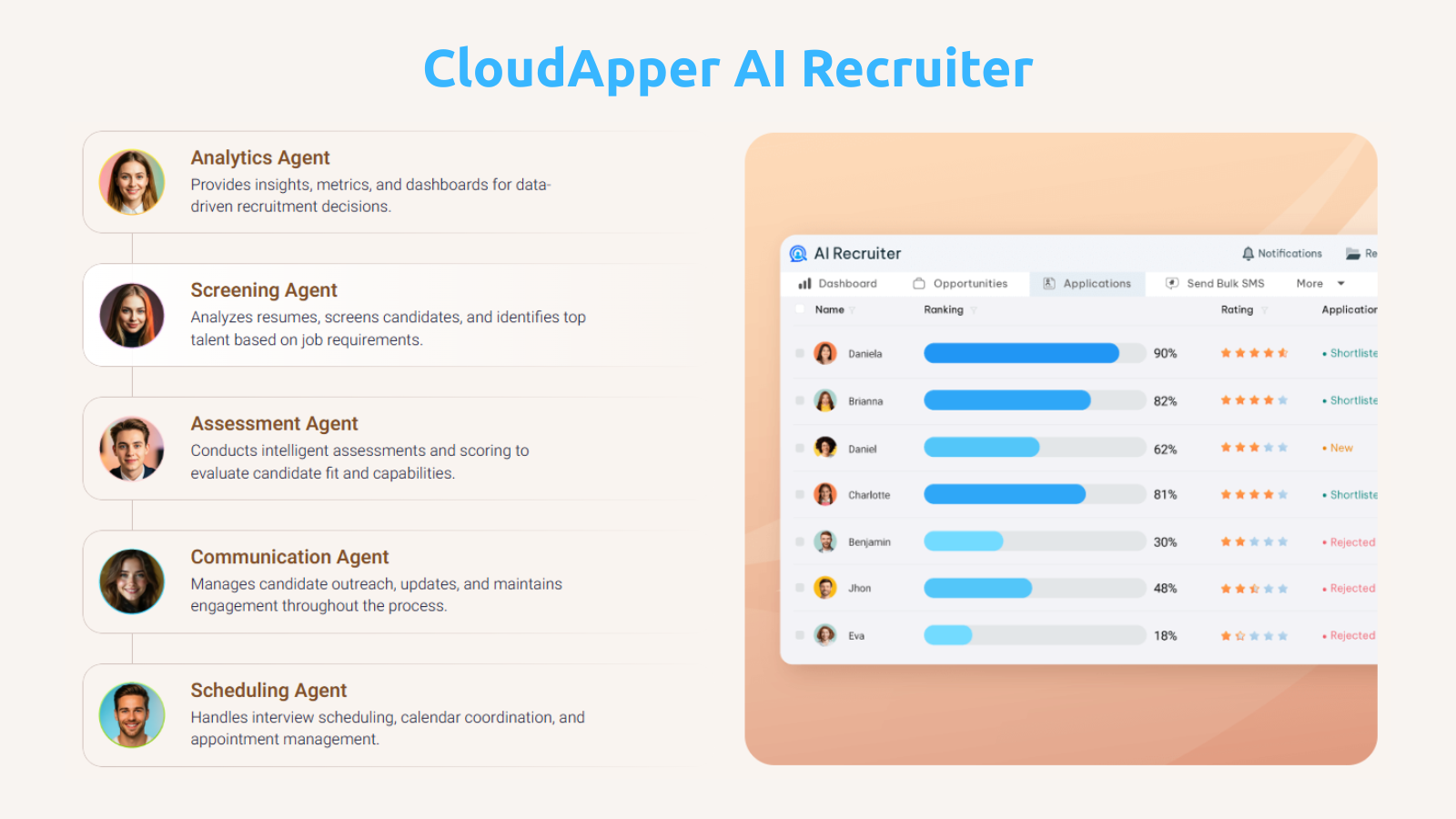
Applicants are ranked objectively based on match scores, allowing recruiters to instantly identify top candidates without manual filtering.
Platforms like CloudApper AI Recruiter apply this logic at scale—without replacing human judgment, but strengthening it.
Where Bias Reduction Actually Happens
Bias doesn’t usually come from bad intent—it comes from inconsistency.
Automated screening algorithms reduce bias by:
- Applying the same evaluation criteria to every applicant
- Minimizing the influence of names, formatting, and background cues
- Focusing decisions on skills, experience, and qualifications
- Ensuring candidates are compared against the role—not each other
This creates a fairer shortlisting process and helps organizations build more diverse, high-performing teams.
Faster Screening Without Sacrificing Quality
Speed is one of the most obvious benefits—but not the most important one.
Automated screening allows recruiters to:
- Instantly identify qualified candidates
- Spend less time reviewing unqualified resumes
- Focus on interviews, assessments, and candidate experience
- Scale hiring without adding screening bottlenecks
The result isn’t just faster hiring—it’s smarter hiring.
Why Automated  Is Becoming the New Standard
 Is Becoming the New Standard
Hiring has changed. Candidate behavior has changed. Expectations around fairness have changed.
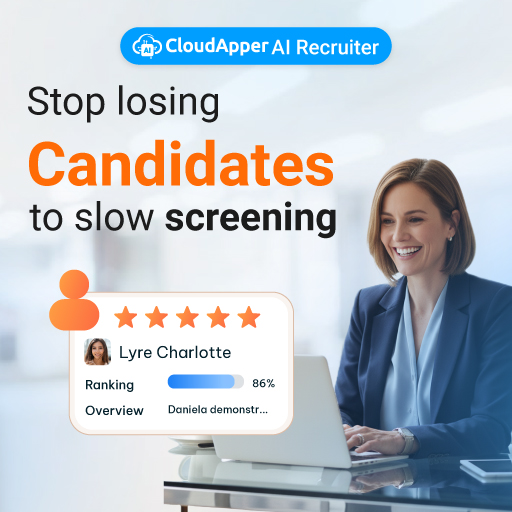
Automated screening algorithms are becoming standard because they:
- Handle high application volumes reliably
- Improve consistency and transparency
- Support DEI initiatives with measurable structure
- Help recruiters make better decisions, faster
Teams that adopt automated screening don’t lose control—they gain clarity.
Frequently Asked Questions (FAQ)
What is an automated screening algorithm in recruitment?
An automated screening algorithm is a system that evaluates job applicants by comparing structured resume data against job requirements using predefined logic and scoring models.
Does automated screening replace recruiters?
No. Automated screening supports recruiters by handling repetitive evaluation tasks, allowing them to focus on interviews, judgment calls, and candidate relationships.
How does automated screening reduce bias?
By applying the same criteria to every applicant and minimizing subjective signals like formatting or name recognition, automated screening reduces inconsistent and biased decision-making.
Can automated screening handle high-volume hiring?
Yes. Automated screening is especially effective for roles with large applicant pools, where manual screening becomes impractical and error-prone.
Is keyword matching the same as automated screening?
No. Modern automated screening goes beyond keywords by analyzing context, experience relevance, and weighted job criteria—not just buzzword presence.

What is CloudApper AI Platform?
CloudApper AI is an advanced platform that enables organizations to integrate AI into their existing enterprise systems effortlessly, without the need for technical expertise, costly development, or upgrading the underlying infrastructure. By transforming legacy systems into AI-capable solutions, CloudApper allows companies to harness the power of Generative AI quickly and efficiently. This approach has been successfully implemented with leading systems like UKG, Workday, Oracle, Paradox, Amazon AWS Bedrock and can be applied across various industries, helping businesses enhance productivity, automate processes, and gain deeper insights without the usual complexities. With CloudApper AI, you can start experiencing the transformative benefits of AI today. Learn More
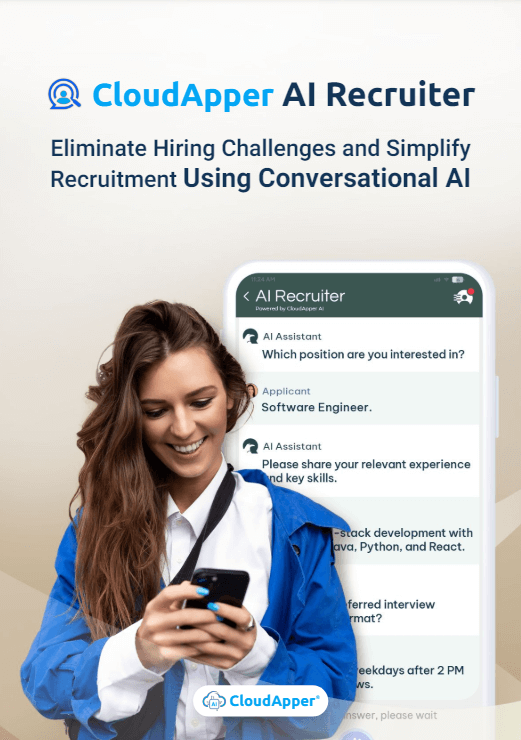
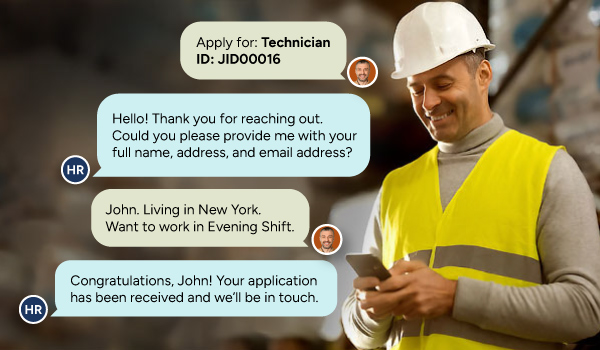
CloudApper AI Solutions for HR


- Works with


- and more.







Similar Posts
How cNPS Reflects Your Recruitment and Employer Brand
The Recruitment-to-HRIS Gap: Why Your “System of Record” Should Start…