Old resumes in your ATS are a hidden goldmine of pre-vetted talent. AI automation helps revive old resumes in your ATS with personalized re-engagement, instant responses, and smart matching to new roles—turning dormant candidates into your fastest, most cost-effective hires.

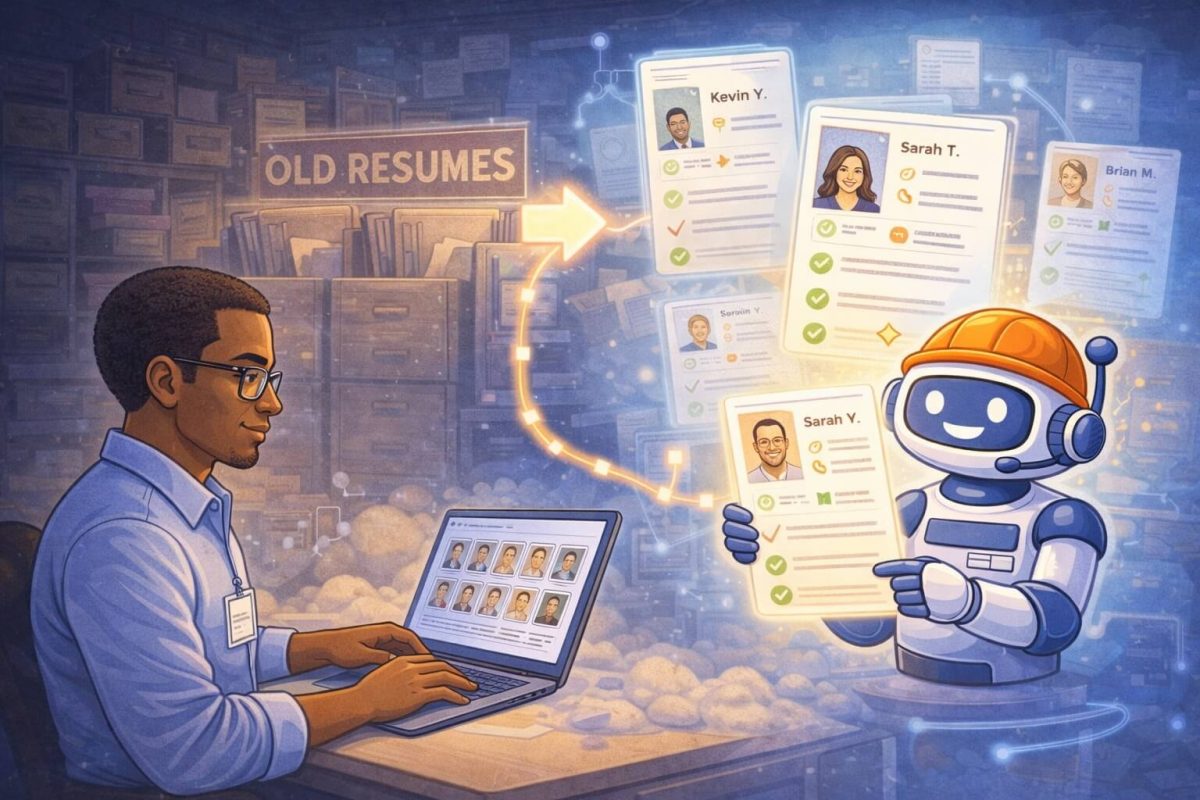
Table of Contents
Your ATS Is a Cemetery—Or It Could Be a Gold Mine
Right now, your applicant tracking system contains hundreds, maybe thousands, of resumes collecting digital dust. Candidates who applied six months ago, a year ago, even two years ago—many of them qualified, interested people who invested time in applying to your organization. They submitted resumes, completed applications, maybe even interviewed. Then… silence.
These dormant candidates represent one of the most underutilized assets in recruiting. While you’re spending thousands on job boards and agency fees to find “new” talent, qualified people who already expressed interest in working for you sit forgotten in your database. According to industry research, dormant and passive talent in your ATS can be reactivated through automation to enrich, clean, and update data, turning passive talent into an active pipeline.
For talent acquisition professionals in healthcare, retail, and manufacturing—industries where high-volume hiring never stops—dormant talent revival isn’t just smart recruiting. It’s the difference between starting every search from scratch and building a continuously growing talent pool that gets stronger every month.
Most organizations treat their ATS like a filing cabinet: put resumes in, pull the one you need out, leave the rest to gather dust. But most ‘talent shortage’ pain is actually ‘talent buried in the ATS,’ where manual keyword search, recency bias, silos, and lack of follow-up can hide great candidates for months. With AI automation, your ATS transforms from a static database into an active talent engine that continuously surfaces qualified candidates from your existing pool.
TL;DR
Dormant resumes in your ATS represent qualified talent you’ve already sourced. AI tools like CloudApper automatically revive old resumes in your ATS through targeted outreach, conversational screening, and seamless re-engagement—creating an evergreen pipeline that slashes sourcing costs and time-to-hire dramatically.
Why Dormant Talent Matters in Today’s Tight Labor Market
The numbers tell a compelling story. Recent studies indicate that an effective ATS can decrease the average hiring cycle by as much as 60%, and when you combine modern ATS capabilities with AI-powered talent revival, the results are even more dramatic.
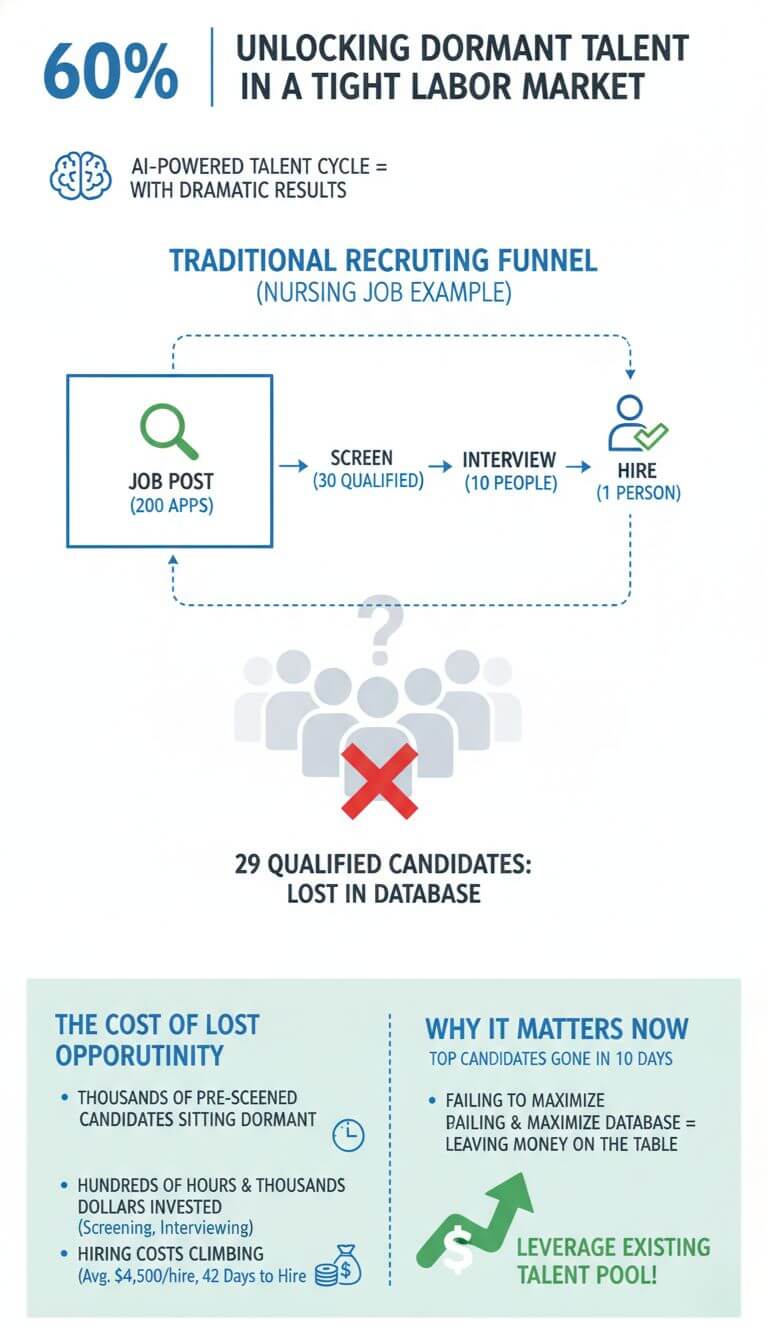
Consider what happens to candidates in traditional recruiting:
- You post a nursing job and receive 200 applications
- You screen them and identify 30 qualified candidates
- You interview 10 people
- You hire 1 person
- What happens to the other 29 qualified candidates? They disappear into your database, never to be contacted again
This scenario repeats itself dozens or hundreds of times annually across healthcare facilities, retail chains, and manufacturing plants. The result? Thousands of pre-screened, qualified candidates sitting dormant while you pay to source new people for similar roles.
The investment you’ve already made in these dormant candidates is substantial. Multiply 5-10 minutes of resume screening time by hundreds of candidates, add phone screening hours, factor in interview time for those who got that far—you’ve invested hundreds of hours and thousands of dollars in candidates you’re not leveraging.
Meanwhile, hiring costs continue climbing. The average cost-per-hire now exceeds $4,500, time-to-hire averages 42 days, and top candidates are off the market within 10 days. In this environment, failing to maximize your existing talent database is leaving money on the table.
The Problems With Dormant Candidates (And Why AI Fixes Them)
Before exploring solutions, let’s understand why dormant candidates stay dormant in traditional systems.

Problem #1: Outdated Information
The biggest barrier to reviving dormant talent is outdated data. A nurse who applied 18 months ago may have completed new certifications. A retail candidate who needed full-time hours back then might now be open to part-time work. A manufacturing applicant who couldn’t relocate last year might have moved to your area since.
Without current information, reaching out to dormant candidates feels risky. Are they still looking? Have their circumstances changed? Is their contact information even valid?
How AI Solves This: Modern AI platforms automatically enrich candidate profiles with updated information from professional networks and public sources. They verify email addresses and phone numbers, check for updated skills and certifications, and identify significant changes in candidate situations. This enrichment happens automatically in the background, ensuring your dormant database stays current without manual research.
Problem #2: Manual Search Limitations
Traditional ATS search relies on keyword matching. If you’re looking for “registered nurse” and someone’s resume says “RN” or “nursing professional,” they might not appear in results. This limitation means qualified candidates remain invisible simply because they described their experience differently than you searched.
How AI Solves This: Modern talent rediscovery platforms use AI and natural language processing to understand context, not just keywords, recognizing that “patient care coordinator” relates to nursing experience even if the resume never uses the word “nurse”. AI identifies transferable skills across industries and understands synonyms, variations, and related terms that manual searches miss.
Problem #3: Recency Bias
Recruiters naturally focus on new applications. Fresh resumes feel more relevant than older ones, even though candidates from 6-12 months ago may have gained valuable experience since applying. This recency bias means your oldest candidates—some of whom may now be perfectly qualified for new roles—never get reconsidered.
How AI Solves This: AI doesn’t have recency bias. It evaluates all candidates in your database based on how well they match current requirements, regardless of when they applied. A candidate from 18 months ago who’s a strong match gets surfaced alongside candidates from last week. The system judges fit, not freshness.
Problem #4: Organizational Silos
In larger organizations, different recruiters handle different departments or locations. One recruiter’s past candidate could be another recruiter’s perfect match, but without systematic sharing, these connections never happen. Talent gets siloed by role, location, or recruiter, limiting your ability to leverage your full database.
How AI Solves This: AI-powered systems analyze your entire candidate database centrally, identifying matches across all departments and locations. A candidate who applied for a nursing role at your downtown hospital might be perfect for your suburban clinic. Someone who applied for retail store manager in one state might fit your distribution center role in another. The AI sees all possibilities across organizational boundaries.
Problem #5: Time Constraints
With hundreds of new applications flowing in weekly, recruiters don’t have time to manually search through old candidates. The urgent crowds out the important. Dormant talent revival becomes one of those “we should do this” tasks that never happens because current requisitions take priority.
How AI Solves This: AI works 24/7 in the background without requiring recruiter time. Every time a new position opens, the system automatically scans your dormant database, identifies matches, and surfaces qualified candidates alongside new applicants. This happens instantly and automatically—no manual searching required.
Problem #6: Engagement Awkwardness
Even when recruiters remember dormant candidates, reaching out feels awkward. “Hi, we rejected you six months ago, but…” isn’t a comfortable message. Without a framework for maintaining relationships with past candidates, the default becomes ghosting them entirely.
How AI Solves This: AI enables automated nurture campaigns that keep dormant candidates engaged without feeling pushy. Quarterly check-ins, relevant job recommendations, company updates—all delivered automatically and personalized to each candidate’s interests. When you eventually have the right role, re-engagement feels natural rather than desperate.
How CloudApper AI Recruiter Revives Dormant Talent
CloudApper AI Recruiter transforms dormant candidate revival from a manual, occasional activity into an automated, systematic process that happens continuously in the background.
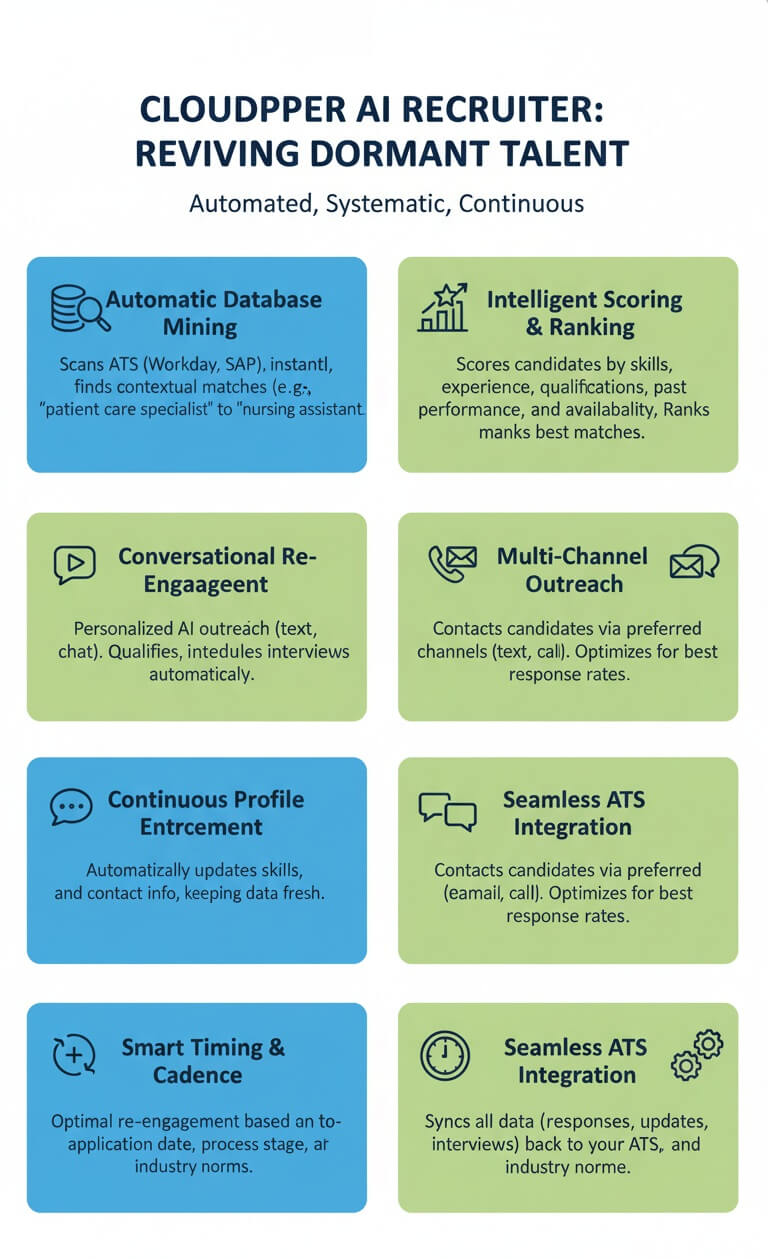
Automatic Database Mining
When you post a new position in your ATS—Workday, Dayforce, UKG, SAP SuccessFactors, Oracle, or others—CloudApper automatically scans your entire candidate database looking for matches. This happens instantly without any recruiter action needed.
The AI understands context, not just keywords. It recognizes that a “patient care specialist” from 14 months ago might be perfect for your new nursing assistant role. It identifies that a “production worker” with forklift certification would match your warehouse opening. It sees connections that manual searches miss.
Intelligent Scoring and Ranking
CloudApper doesn’t just find old candidates—it scores them based on how well they match current requirements. Each dormant candidate receives a match score considering:
- Skills and experience alignment
- Qualifications and certifications
- Previous interview performance (if they got that far)
- Time since last engagement
- Likelihood of current availability
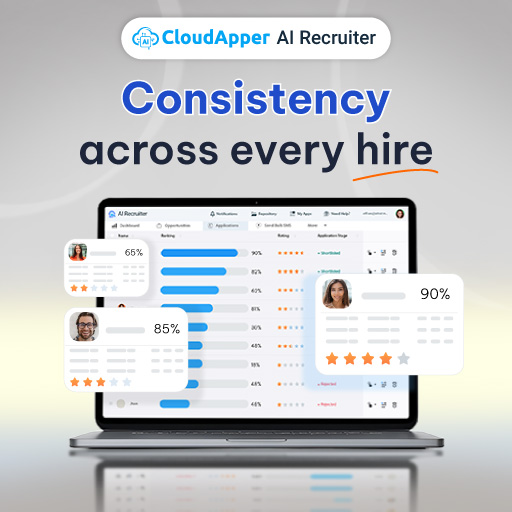
This scoring means you see your best dormant matches first, ranked alongside new applicants in a unified view.
Conversational Re-Engagement
When CloudApper identifies strong dormant matches, it doesn’t send generic email blasts. Instead, it reaches out through conversational AI via text, email, or chat with personalized messages that reference their previous interaction with your organization.
“Hi Maria, you interviewed for our ICU nursing position last spring, and we were impressed with your trauma care experience. We now have an opening in our Emergency Department that might be an even better fit. Are you still interested in opportunities with [Hospital]?”
The AI handles initial responses, confirms interest and availability, asks updated qualifying questions, and schedules interviews—all automatically. By the time a candidate reaches your desk, they’ve been re-qualified for the current opportunity.
Multi-Channel Outreach
CloudApper reaches dormant candidates through their preferred channels. Some respond better to text messages, others to emails, some to phone calls. The system learns which methods work best for different candidate segments and optimizes accordingly.
For hourly workers in retail and manufacturing, text messages often get the fastest responses. For healthcare professionals, email combined with text reminders works well. The AI adapts to what works.
Continuous Profile Enrichment
CloudApper automatically updates dormant candidate profiles with new information as it becomes available. If a candidate mentioned pursuing a certification during their original interview, the system can detect when they’ve completed it. If someone’s contact information has changed, the AI attempts to find updated details.
This ongoing enrichment means your dormant database stays fresh and accurate without manual data entry or research.
Seamless ATS Integration
Everything CloudApper discovers—updated candidate information, re-engagement responses, new screening answers, scheduled interviews—automatically syncs back to your ATS. When you log into Workday, Dayforce, or another system, you see complete, current candidate profiles with full context about both original and recent interactions.
You don’t switch between systems or manually update records. The integration keeps everything synchronized in real-time.
Smart Timing and Cadence
CloudApper determines optimal re-engagement timing based on multiple factors: how long ago candidates applied, how far they progressed in your process, industry norms for job searching, and patterns from successful re-engagements.
A silver medalist who reached final rounds might get contacted sooner than someone who only completed a phone screen. A candidate who was disqualified for timing issues (couldn’t start immediately, needed different shift) gets flagged for re-engagement after an appropriate interval.
The system manages this timing automatically, ensuring dormant candidates receive outreach when they’re most likely to be receptive.
Real-World Results: Dormant Talent + AI Automation
Let’s examine actual outcomes when organizations implement AI-powered dormant talent revival:
Healthcare System: Multi-Facility Network
Challenge: Hiring 150+ clinical and support staff annually. Database contained 3,200 candidates from previous 24 months who were never systematically re-engaged.
Solution: Implemented CloudApper AI Recruiter to automatically scan dormant database when new positions opened, re-engage qualified matches, and update candidate information.
Results:
- Filled 42% of nursing and CNA positions from dormant database in first year
- Time-to-hire for dormant candidates: 9 days versus 51 days for new applicants
- Cost-per-hire reduced by 68% for dormant talent hires (no sourcing costs)
- Saved approximately $156,000 annually in recruiting expenses
- Improved candidate satisfaction scores by 34% (candidates appreciated follow-up)
Retail Chain: 75-Store Regional Operator
Challenge: Annual turnover requiring 300+ hires across stores. ATS contained 5,000+ past applicants from previous three years, rarely contacted.
Solution: CloudApper AI Recruiter automatically identified dormant candidates matching new openings, reached out via text (preferred channel for hourly retail workers), and pre-screened them before recruiter involvement.
Results:
- 38% of store associate hires came from dormant database
- Reduced time-to-hire from 34 days to 11 days for dormant candidates
- Eliminated $22,000 in annual job board posting fees
- Improved 90-day retention by 19% for dormant hires versus new hires
- Freed recruiting team to focus on management-level hiring
Manufacturing Facility: Large Production Plant
Challenge: Continuous need for production, maintenance, and quality control workers. Database had 1,800 past applicants who were never reconsidered for new openings.
Solution: Implemented AI-powered dormant talent revival with automatic matching, text-based re-engagement, and updated skills verification.
Results:
- 31% of production hires came from dormant pool within 18 months
- Time-to-hire decreased from 39 days to 14 days for dormant candidates
- Saved 18 hours per week of recruiter screening time
- Cost-per-hire reduced by $2,100 for dormant talent hires
- Production delays due to understaffing decreased by 67%
Complete Benefits of AI-Powered Dormant Talent Revival
Massive Cost Reduction: Sourcing costs disappear when hiring from your existing database. No job board fees, no agency costs, minimal screening time. Organizations typically reduce cost-per-hire by 50-70% for positions filled through dormant talent.
Dramatically Faster Hiring: Dormant candidates have already completed initial applications and screening. They move through your process 2-3X faster than new candidates. Positions that normally take 40+ days to fill take 10-15 days when hiring from dormant database.
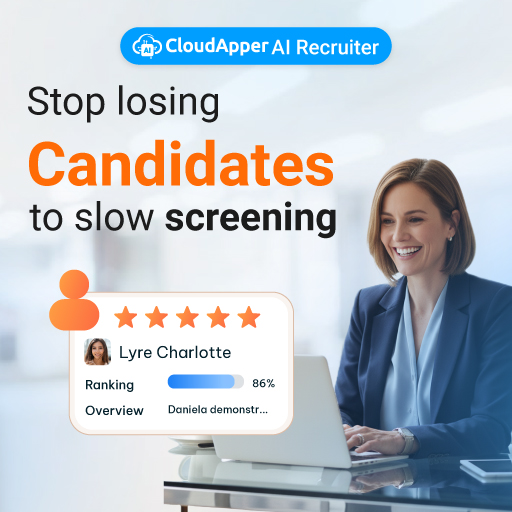
Higher Quality Candidates: Your dormant database contains people who were qualified enough to apply initially and may have gained additional experience since. They’re pre-vetted candidates who’ve only gotten stronger.
Improved Candidate Experience: Updating and enriching talent data helps reopen conversations with dormant talent, and with unemployment at varying levels, odds are that your passive candidates are looking for work. Candidates appreciate being remembered and reconsidered rather than ghosted. This dramatically improves employer branding.
Increased Recruiter Productivity: When 30-40% of hires come from automatically surfaced dormant candidates, recruiters handle higher hiring volume without proportional workload increases. They focus on interviews and decisions rather than sourcing and initial screening.
Better Retention: Dormant candidates who are re-engaged and hired often show better retention because they feel valued (you remembered them), they’re genuinely interested in your organization specifically, and the mutual evaluation was thorough.
Scalability Without Limits: Whether hiring 20 people or 200, AI handles dormant talent revival with identical efficiency. The system scales infinitely without additional labor costs.
Competitive Advantage: While competitors start from scratch, you’re hiring from a continuously growing, pre-vetted talent pool. This speed and efficiency advantage compounds over time.
Database Value Amplification: Automating messages and workflows to confirm and update data amplifies the ROI of your ATS. Every dollar spent on your ATS delivers more value when dormant talent gets systematically leveraged.
Implementation: Your 90-Day Dormant Talent Revival Plan
Days 1-14: Assessment and Planning
Audit your current database: How many candidates from the past 12-24 months? How many reached phone screen stage or beyond? What information do you have for each?
Calculate potential impact: If you filled 30% of roles from dormant talent, what would you save in time and costs? Build your business case with specific numbers.
Identify quick wins: Which roles have the largest dormant candidate pools? Which positions are hardest to fill through traditional sourcing? Start there.
Days 15-30: Technology Selection and Integration
Choose CloudApper AI Recruiter or similar platform with:
- Proven integration with your specific ATS
- Automatic database mining capabilities
- AI-powered contextual matching
- Multi-channel re-engagement (email, text, chat)
- Candidate enrichment features
- Analytics and reporting
Work with the vendor to establish integration. CloudApper connects to major ATS platforms in days, not months, with minimal IT involvement.
Days 31-45: Historical Data Preparation
Clean and organize your dormant database:
- Remove duplicates
- Verify contact information
- Add consistent tags and categories
- Flag candidates who’ve been hired (to avoid awkward outreach)
- Segment by role type, skills, and how far they progressed
CloudApper can help automate much of this cleanup through its enrichment capabilities.
Days 46-60: Configuration and Testing
Configure your dormant talent revival strategy:
- Define matching rules for different role types
- Create re-engagement message templates
- Set up scoring criteria
- Configure nurture campaign cadences
- Establish interview scheduling parameters
Test thoroughly: Have team members go through the candidate experience as if they were dormant candidates being re-engaged. Ensure messaging feels personal and respectful.
Days 61-75: Pilot Launch
Start with 2-3 roles rather than your entire operation. Use positions where you have strong dormant candidate pools and current openings. Monitor closely:
- Are dormant candidates responding?
- Is messaging resonating?
- Are matches accurate?
- How does hire quality compare?
Refine based on early feedback before expanding.
Days 76-90: Optimization and Expansion
Use analytics to improve:
- Which re-engagement messages get best response rates?
- What timing produces optimal engagement?
- Which candidate segments are most receptive?
- Where do dormant candidates perform better than new ones?
Systematically expand across more roles, locations, and candidate types as you prove ROI.
Ongoing: Continuous Improvement
Dormant talent revival isn’t “set and forget.” Regularly review performance data, test new messaging approaches, and refine based on results. The best organizations treat this as an evolving capability that improves continuously.
Most organizations see measurable results—dormant candidate hires, reduced costs, faster time-to-fill—within the first 90 days and achieve 30%+ of hires from dormant database within 12 months.
Frequently Asked Questions
Won’t dormant candidates be insulted that we ignored them initially but now want them?
Not if you’re honest and respectful. Frame it as “circumstances change, timing matters, and we’ve stayed impressed with your qualifications.” Most candidates appreciate being remembered rather than ghosted. Research shows candidates who receive thoughtful follow-up maintain positive views of organizations even after initial rejections.
How old is too old for dormant candidates?
This varies by industry. For fast-changing fields, 12-18 months is reasonable. For healthcare, retail, and manufacturing with stable skill requirements, candidates from 2-3 years ago often remain relevant. Start with the past 12-18 months and expand as you see success. The AI can predict likelihood of interest based on how long ago they engaged.
What if their skills are outdated?
AI enrichment helps identify whether candidates have gained new skills or certifications. When you re-engage, updated screening questions verify current qualifications. Think of it as a light re-screening rather than starting completely fresh. Many dormant candidates have improved since initially applying.
How do we prevent contacting people we’ve already hired or who work for competitors?
CloudApper automatically cross-references your dormant database with current employee records and can exclude specific companies if needed. This happens automatically—recruiters don’t manually check each person.
What response rates should we expect?
Industry averages for dormant candidate re-engagement range from 15-30% response rates, with 40-60% of respondents expressing continued interest. This varies by how far candidates progressed initially, how long ago they applied, and how personalized your outreach is. CloudApper’s conversational approach typically achieves above-average response rates.
Can we segment dormant outreach by candidate quality?
Absolutely. CloudApper allows tiered approaches: candidates who reached final rounds receive more personalized, frequent outreach; those who only completed initial screening get lighter touches. The AI manages these different engagement strategies automatically based on rules you configure.
How much does AI-powered dormant talent revival cost?
CloudApper AI Recruiter offers affordable annual plans depending on hiring volume and number of users. When you consider that reviving just 3-4 dormant candidates per month eliminates thousands in recruiting costs, ROI is usually positive within 60-90 days. Calculate your current cost-per-hire and multiply by potential dormant hires to see your savings.
Will this work for specialized positions or just high-volume roles?
It works for both. High-volume roles benefit from the efficiency of automated matching and outreach at scale. Specialized roles benefit because your dormant database may contain rare specialists who applied for slightly different roles previously. AI matching identifies these hidden specialists that keyword searches miss.
What if our ATS doesn’t have good data on dormant candidates?
CloudApper enriches sparse candidate profiles automatically, pulling information from professional networks and public sources. Even if you only have basic contact information and a resume, the AI can build out more complete profiles. The re-engagement process also gathers updated information directly from candidates.
How do we measure success?
Track these metrics:
- Percentage of hires from dormant database
- Time-to-hire for dormant versus new candidates
- Cost-per-hire comparison
- Response rates to re-engagement outreach
- Retention rates at 90 days and one year
- Total recruiting cost savings
CloudApper provides these analytics automatically in dashboard format.
Frequently Asked Questions
1. What are dormant resumes in an ATS?
Dormant resumes are applications from past candidates who were qualified but not hired—often strong fits waiting for the right future role.
2. Why should recruiters revive old resumes in their ATS?
They’re pre-screened, familiar with your company, and faster to hire—reducing sourcing costs, time-to-hire, and improving retention compared to new applicants.
3. How does AI help revive old resumes in an ATS?
AI scans past applications, matches skills to open roles, sends personalized outreach, and engages candidates 24/7 via chat/SMS for instant re-activation.
4. When is the best time to re-engage dormant talent from old resumes?
When similar roles open, 3-6 months after initial application, or during talent shortages—keeping communication warm and timely.
5. Can AI prevent candidates from feeling ignored when reviving old resumes?
Yes—personalized messaging referencing their past application, quick AI responses, and genuine interest rebuild excitement and trust.
6. How much can reviving old resumes reduce recruiting costs?
Significantly—eliminates job board fees, lead purchases, and initial sourcing, often cutting cost-per-hire by 50-70%.
7. How does AI match dormant resumes to new job openings?
It analyzes skills, experience, interview notes, and past performance scores to automatically identify and rank best-fit candidates.
8. Is reviving old resumes effective for high-volume or frontline roles?
Extremely—AI scales outreach to thousands instantly, perfect for retail, hospitality, healthcare, and hourly positions with frequent openings.
9. Does AI ensure compliance when re-engaging past applicants?
Yes—automated consent checks, data privacy handling, and audit trails keep re-engagement GDPR/CCPA compliant.
10. Can small teams use AI to revive old resumes in their ATS?
Absolutely—no extra staff needed; AI handles segmentation, messaging, screening, and scheduling autonomously.
The Strategic Imperative: Why Dormant Talent Matters Now
Your ATS contains thousands of dollars in wasted investment. Every candidate who applied, every resume you screened, every phone interview you conducted represents time and money spent. When you fail to leverage these dormant candidates, you’re essentially throwing that investment away and paying to duplicate it for every new search.
Meanwhile, 68% of recruiters want to invest in newer recruiting technology, like next-gen ATS platforms, as a means of increasing day-to-day performance. Organizations embracing AI-powered dormant talent revival gain compounding advantages: They hire faster, spend less, build stronger teams, and provide better candidate experiences.
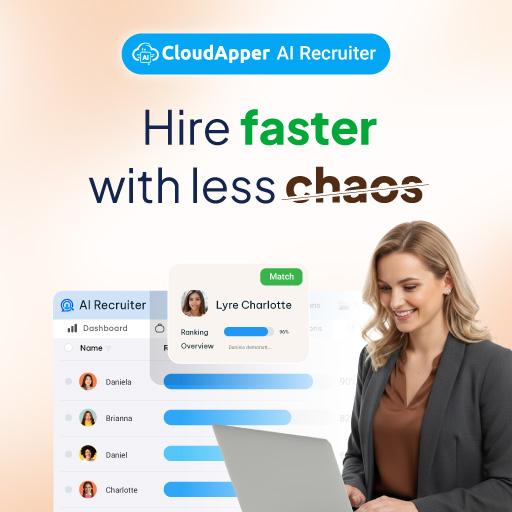
The technology is mature and proven. CloudApper AI Recruiter and similar platforms have demonstrated ROI across hundreds of organizations in healthcare, retail, manufacturing, and beyond. The integration is straightforward, the learning curve is minimal, and results appear quickly.
Your competitors are already doing this. Forward-thinking organizations are systematically leveraging their dormant databases, filling 30-40% of positions from existing candidates, and dramatically reducing recruiting costs and timelines.
For talent acquisition professionals managing constant, high-volume hiring, the question isn’t whether to revive dormant talent. It’s whether you’ll implement AI-powered revival now and gain competitive advantage, or continue ignoring your database while paying premium rates to source candidates you already have.
Stop treating your ATS like a resume cemetery. Start transforming it into an active talent engine that continuously surfaces qualified candidates from your existing investment.
Ready to revive your dormant talent database and dramatically reduce recruiting costs? Visit CloudApper AI Recruiter to see how AI-powered automation can help you systematically mine, engage, and hire the qualified candidates already in your system.

What is CloudApper AI Platform?
CloudApper AI is an advanced platform that enables organizations to integrate AI into their existing enterprise systems effortlessly, without the need for technical expertise, costly development, or upgrading the underlying infrastructure. By transforming legacy systems into AI-capable solutions, CloudApper allows companies to harness the power of Generative AI quickly and efficiently. This approach has been successfully implemented with leading systems like UKG, Workday, Oracle, Paradox, Amazon AWS Bedrock and can be applied across various industries, helping businesses enhance productivity, automate processes, and gain deeper insights without the usual complexities. With CloudApper AI, you can start experiencing the transformative benefits of AI today. Learn More
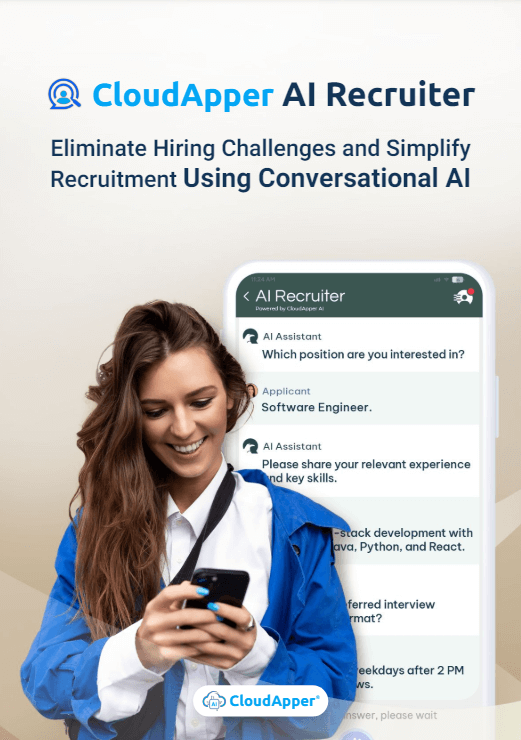
CloudApper AI Solutions for HR
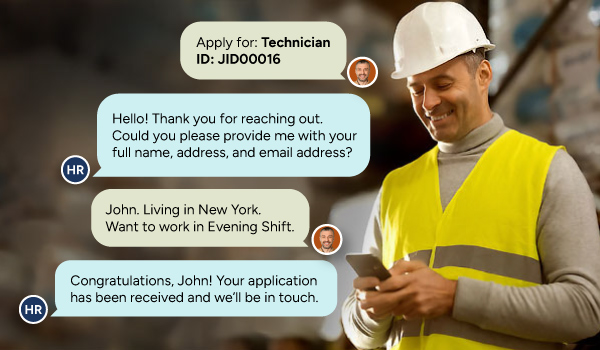

- Works with


- and more.







Similar Posts
How cNPS Reflects Your Recruitment and Employer Brand
The Recruitment-to-HRIS Gap: Why Your “System of Record” Should Start…