Recruiters didn’t lose control to AI — they redesigned the entrance. This article explores how AI recruiting automation moved to the front door of hiring to handle volume, restore signal, and keep human judgment where it matters most.

Table of Contents
For the past two years, one fear has echoed through recruiting teams everywhere: “AI is taking over hiring.”
The anxiety is understandable. Automated screening. AI-written resumes. Chatbots conducting interviews. Decision engines ranking candidates faster than any human ever could.
But this framing is wrong.
Recruiters didn’t lose control to AI.
They made a deliberate, strategic choice to move AI to the front door of hiring—and keep humans where judgment actually matters.
This shift isn’t about replacing recruiters. It’s about protecting them from the parts of the job that no longer scale.
The Real Problem Wasn’t AI. It Was the Front Door.
Hiring didn’t break because of AI. It broke because the entry point to hiring stopped working.
Most enterprise teams were facing the same reality:
- Application volume exploding overnight
- Resumes becoming indistinguishable from one another
- Screening turning into repetitive, low-signal labor
- Recruiters spending hours filtering instead of evaluating

The front door—job applications, resumes, initial screening—was overwhelmed long before AI entered the picture. AI simply exposed how fragile that system already was.
Why are recruiters using AI in hiring?
Recruiters are using AI because manual intake no longer scales. AI helps manage volume, enforce consistency, and surface qualified candidates without exhausting human reviewers. The goal isn’t speed for its own sake — it’s restoring clarity and focus in the early stages of hiring through AI recruiting automation.
When every candidate can produce a “perfect” resume in seconds, the old front door becomes unusable. Not inefficient. Unusable.
Why the Front Door Had to Change First
Recruiters don’t add the most value at intake. They add value when:
- Context is needed
- Tradeoffs must be weighed
- Potential is assessed beyond surface-level signals
- Hiring managers need guidance, not raw data
The problem was never that recruiters couldn’t screen fast enough.
The problem was that screening itself stopped being meaningful.
So organizations did the logical thing:
They reassigned the front door to AI.
Not to decide who gets hired.
But to decide who deserves human attention.

AI at the Front Door Is About Filtering, Not Authority
One of the biggest misconceptions in the current recruitment landscape is that AI is “making hiring decisions.”
In reality, modern recruiting AI is doing something far more mundane—and far more valuable.
What does AI do in the recruitment process?
At the front of hiring, AI typically:
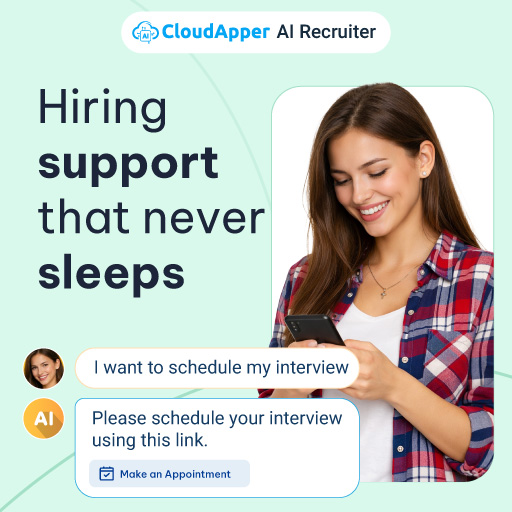
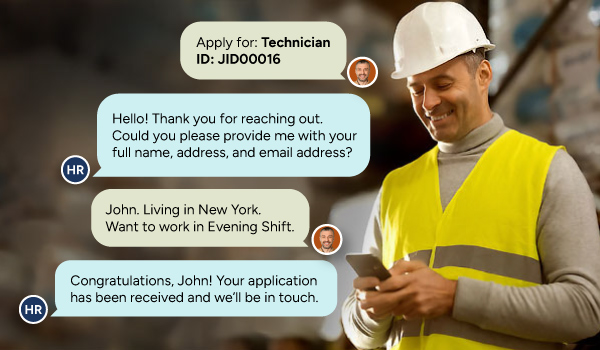
- Asks structured, job-specific questions
- Screens candidates consistently
- Scores responses against defined criteria
- Routes qualified candidates forward
This isn’t judgment. It’s signal extraction.
Is AI replacing recruiters?
No. AI is replacing manual intake work, not recruiter judgment. Recruiters still define hiring criteria, interpret signals, and make final decisions — AI simply handles volume and consistency so humans can focus on evaluation.
By the time a recruiter engages, the conversation has already shifted from:
“Who should I screen?”
to
“Who should I spend my time evaluating?”
That’s not loss of control. That’s focus.
Why This Shift Feels Uncomfortable (But Necessary)
Recruiters didn’t train for this role. Most entered the field through sourcing, screening, and coordination. Giving up the front door feels like giving up relevance.
But the opposite is happening.
As AI handles intake, recruiters are being pulled upstream:
- Advising hiring managers on role calibration
- Interpreting candidate signals, not just credentials
- Ensuring fairness, consistency, and compliance
- Making nuanced decisions AI shouldn’t make
The job is changing—not shrinking.
And the recruiters who embrace this shift aren’t becoming obsolete. They’re becoming decision architects.
The ATS Didn’t Lose Power. It Was Relieved of the Wrong Job.
Another quiet change happening alongside this shift: the ATS is no longer expected to think.
Applicant Tracking Systems were never designed to:
- Detect intent
- Interpret nuance
- Handle conversational screening
- Adapt to AI-generated noise
They were designed to:
- Store records
- Support compliance
- Maintain audit trails
- Integrate with HR systems
How does AI work with ATS systems?
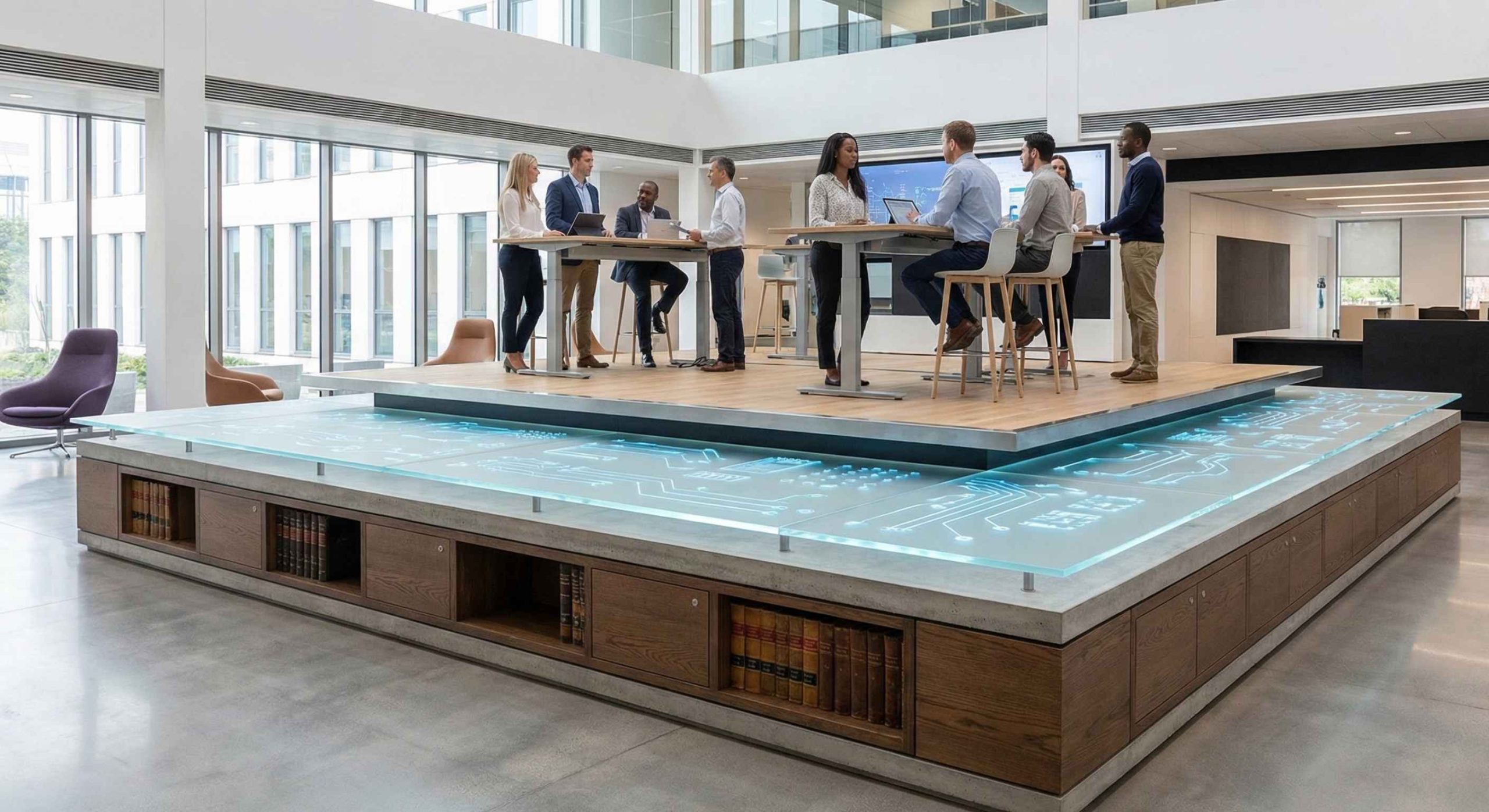
AI sits in front of the ATS, while the ATS remains the system of record. AI manages screening and qualification, then passes structured, auditable data into the ATS for compliance, reporting, and downstream workflows.
When AI moves to the front door, the ATS can finally return to its rightful role: system of record, not system of judgment.
This separation is healthy. And long overdue.
Why Candidates Are Adapting Faster Than Employers Realize
Candidates already understand this new reality.
They know:
- Resumes alone won’t carry them
- Keyword optimization isn’t enough
- Real answers matter more than polished summaries
That’s why conversational screening, structured questions, and real-time qualification are becoming the norm. Candidates want clarity just as much as recruiters do.
The front door isn’t just filtering candidates.
It’s setting expectations.
What This Means for Trust in Hiring
Ironically, moving AI to the front door is restoring trust—not eroding it.
When intake is:
- Consistent
- Transparent
- Structured
- Explainable
Candidates experience less randomness. Recruiters experience less burnout. Hiring managers get clearer shortlists.
Trust improves because decisions are no longer buried in inboxes or rushed manual reviews.
Where Solutions Like CloudApper AI Recruiter Fit (Without the Hype)
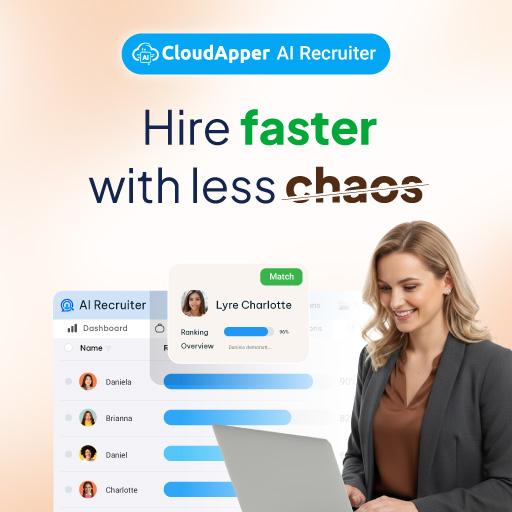
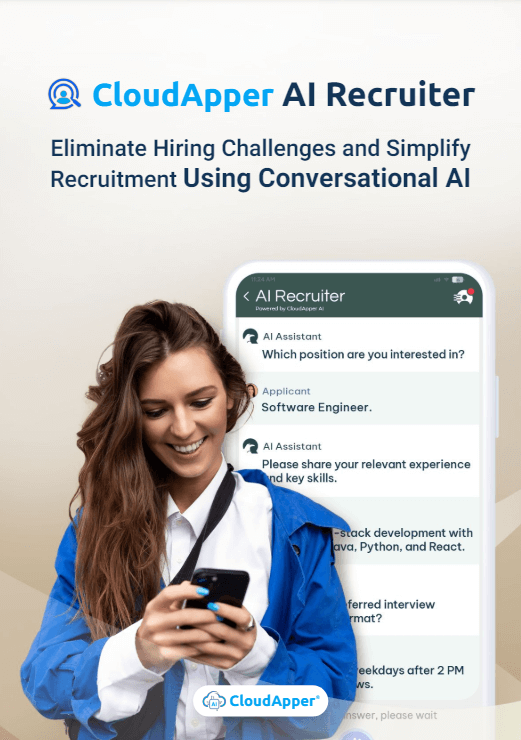
Solutions like CloudApper AI Recruiter exist specifically for this moment—not to replace recruiters, but to absorb the chaos at the entry point.
By handling:
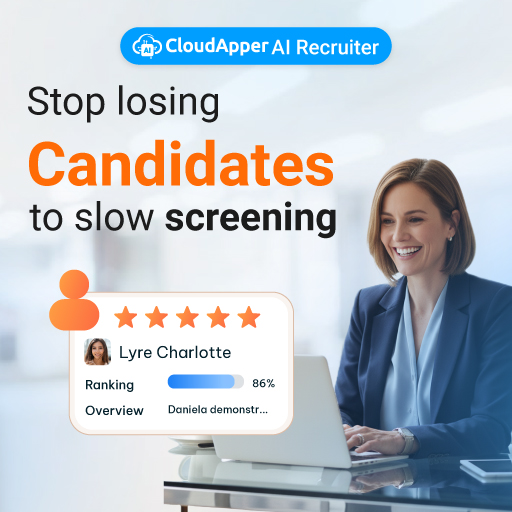
- High-volume conversational screening
- Structured qualification
- Candidate scoring aligned to role requirements
- Seamless handoff into existing ATS workflows
…they allow recruiters to stay focused on judgment, not intake.
The value isn’t speed.
It’s clarity.
The Quiet Truth About Control in Hiring Currently
Control was never about who touches the resume first.
Control is about:
- Who defines the criteria
- Who interprets the results
- Who owns the final decision
- Who is accountable for fairness and outcomes
Recruiters didn’t give that up.
They simply stopped guarding a front door that no longer worked—and replaced it with one that does.
Looking Ahead: The Recruiter’s Role Is Narrower, and Stronger
As hiring systems mature, one pattern is clear:
- AI handles scale
- Humans handle judgment
- Trust sits in the middle

What is human-in-the-loop hiring?
Human-in-the-loop hiring means AI handles consistency and volume, while humans retain decision-making authority and accountability for outcomes.
The recruiters who thrive in this world won’t be the ones who screen the fastest.
They’ll be the ones who:
- Ask better questions
- Interpret signals responsibly
- Guide hiring managers with confidence
- Design hiring systems that scale without breaking trust
AI didn’t take control of recruiting.
Recruiters redesigned the entrance—and finally got their time back.
If you’re rethinking how hiring works at scale, it may be worth taking a moment to explore AI Recruiter and see how the front door can be redesigned without losing human judgment.

What is CloudApper AI Platform?
CloudApper AI is an advanced platform that enables organizations to integrate AI into their existing enterprise systems effortlessly, without the need for technical expertise, costly development, or upgrading the underlying infrastructure. By transforming legacy systems into AI-capable solutions, CloudApper allows companies to harness the power of Generative AI quickly and efficiently. This approach has been successfully implemented with leading systems like UKG, Workday, Oracle, Paradox, Amazon AWS Bedrock and can be applied across various industries, helping businesses enhance productivity, automate processes, and gain deeper insights without the usual complexities. With CloudApper AI, you can start experiencing the transformative benefits of AI today. Learn More
CloudApper AI Solutions for HR

- Works with


- and more.








Similar Posts
How cNPS Reflects Your Recruitment and Employer Brand
The Recruitment-to-HRIS Gap: Why Your “System of Record” Should Start…