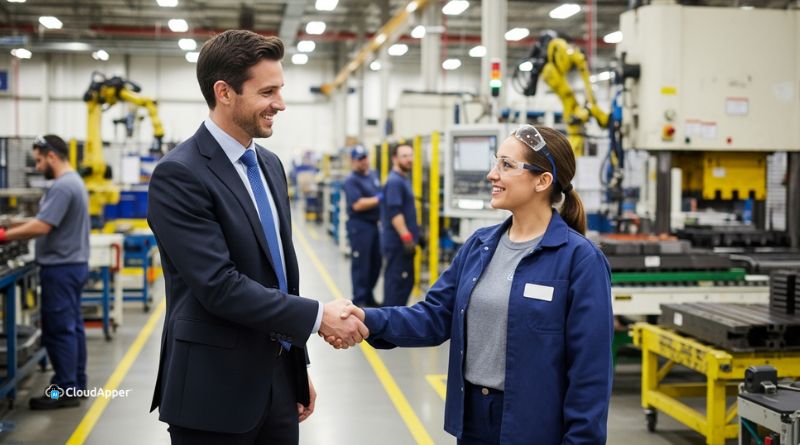
Remote vs RTO hiring has become a breaking point for recruiters. With candidates expecting flexibility and companies enforcing office mandates, hiring systems are under pressure. This article breaks down what’s changing in the US and Canada—and how recruiters can respond.


Table of Contents
Remote vs RTO hiring has quickly become one of the most disruptive forces in recruitment across the US and Canada. As companies push return-to-office mandates while candidates continue to prioritize flexibility, hiring teams are caught in the middle—tasked with filling roles under conflicting expectations. What was once a workplace preference debate is now a structural hiring challenge affecting talent access, hiring speed, and candidate quality.
Recruiters are no longer deciding where people work. They are being asked to hire successfully despite the mismatch between company policy and workforce reality.
How Remote vs RTO Affects Hiring in the US & Canada
Remote vs RTO hiring has become one of the most complex challenges recruiters face across the US and Canada. While many organizations are reinforcing return-to-office expectations, candidates continue to treat flexibility as a baseline requirement. Recruiters are left navigating the gap—expected to hire quickly, protect quality, and manage risk regardless of where company policy or candidate preference lands.
This is no longer a debate about workplace philosophy.
It is a question of whether hiring systems are built to function when remote and RTO coexist.
Why Remote vs RTO Became a Hiring Problem First
Whenever work models shift, hiring is the first function to feel the strain.
As organizations tighten office requirements, recruiters immediately see smaller talent pools for on-site roles, especially for senior and specialized positions. At the same time, remote roles attract significantly higher applicant volume. More candidates does not automatically mean better outcomes. In practice, it often means more noise, slower screening, and greater pressure to move fast without making mistakes.
Across the industry, leaders have already pointed out that rigid RTO policies increase churn and weaken performance. Recruiters experience this reality not in theory, but through open roles that take longer to fill and pipelines that need to be rebuilt repeatedly.
Recruiters do not control policy—but they are accountable for results.
In 2025, our data showed that candidates were roughly three times more likely to consider new roles if they could work remotely. Looking ahead, companies that are too rigid about returning to the office risk losing talent. Remote isn’t a throwback to the pandemic—it’s a baseline expectation.
—Sarah Doughty, VP of talent operations for talent acquisition firm Talentlab
How Remote vs RTO Is Affecting Hiring in the US and Canada
The United States
In the US, return-to-office mandates have been more forcefully reintroduced, particularly among large enterprises. The hiring impact is clear. On-site and hybrid roles often receive fewer qualified applicants, while remote roles draw disproportionate interest. Recruiters face longer time-to-hire for roles tied to physical locations and increased competition for remote talent.
This creates an uneven hiring environment where speed, candidate experience, and verification all become harder to balance.
Canada
In Canada, organizations remain more flexible overall, and remote work continues to play a larger role in hiring strategy. However, this flexibility introduces its own complexity. Recruiters increasingly hire across provinces or borders, which raises the bar for credential verification, compliance checks, and reference validation.
Canadian recruiters are not struggling to attract candidates. They are struggling to verify and progress them efficiently at scale.
The Core Problems Recruiters Face With Remote Hiring
Remote hiring expands access to talent, but it also introduces challenges many teams were not designed to handle.
First, applicant volume increases while signal decreases. Remote roles generate large numbers of applications, many of which are low-fit or incomplete. Manual screening becomes unsustainable, and strong candidates can easily be overlooked.
Second, trust becomes harder to establish. Without in-person interaction, recruiters have fewer informal signals to rely on. Concerns around misrepresentation, exaggerated experience, and identity verification become more common, especially when hiring at scale.
Third, verification often happens too late. Certifications, licenses, and compliance requirements are frequently checked near the end of the process. When issues surface late, offers are delayed or withdrawn, damaging candidate trust and wasting recruiter effort.
Fourth, reference checks do not scale well. Traditional reference checks rely on email follow-ups and subjective responses. Under pressure, recruiters either rush them or skip them entirely, increasing risk—particularly for remote roles.
Finally, fragmented systems slow everything down. Many recruiters still manage applications, screening, interviews, verification, and offers across disconnected tools. In a remote vs RTO environment, this fragmentation leads directly to delays and candidate drop-off.
Part of the reason AI tools are popular right now is simple: it’s still an employers’ market in tech … but markets swing, and when it shifts toward a candidate-driven market, poor experiences will get noticed. Regardless, expect the social media mockery to continue into 2026.
—Sarah Doughty, VP of talent operations for talent acquisition firm Talentlab
What Recruiters Must Do Differently in a Remote vs RTO World
Recruiters cannot wait for the remote vs RTO debate to resolve itself. Hiring must continue, and it must work across multiple work models at the same time.
The first shift is accepting that one hiring approach no longer fits all roles. Recruiters now hire for remote, hybrid, on-site, and frontline positions simultaneously. The hiring system must adapt, even if policy does not.
The second shift is reducing friction at the top of the funnel. Fast, mobile-friendly applications matter more than ever. Long portals and repetitive forms push candidates away when they have alternatives.
The third shift is screening smarter. Automated scoring and ranking based on role-specific criteria help recruiters prioritize the right candidates early while keeping decisions consistent and explainable.
The fourth shift is building trust signals into the process. Selective use of one-way video interviews and consistency checks can provide early validation without replacing human judgment or creating a cold experience.
The fifth shift is moving verification upstream. Credential and compliance checks should happen within the hiring workflow, not after interviews. This reduces late-stage risk and aligns speed with accountability.
Finally, recruiters need to close faster. Delays in scheduling, reference checks, and offer creation directly affect acceptance rates, particularly in competitive remote hiring markets.
Where CloudApper Fits in This Hiring Reality
CloudApper is built for recruiters operating in this exact environment—where remote and RTO hiring coexist and hiring systems must remain flexible without losing control.
Rather than positioning AI as a replacement for recruiters, CloudApper focuses on human-led, AI-assisted recruitment. Its role is to remove friction across the hiring lifecycle while keeping accountability and judgment firmly with the hiring team.
How CloudApper Enables End-to-End Recruitment Execution
At the application stage, CloudApper supports quick, role-specific form fill-ups that work seamlessly across mobile, QR, and SMS channels. This reduces candidate drop-off while still capturing structured data recruiters can use.
As applications flow in, CloudApper automates scoring and ranking using predefined criteria. Recruiters gain immediate visibility into best-fit candidates without manually sorting through volume, allowing them to focus on evaluation rather than triage.
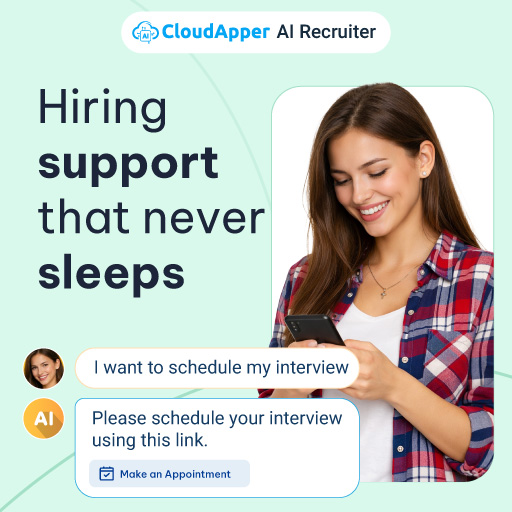
For remote roles where trust is a concern, CloudApper enables one-way video interviews as pre-screening. Used selectively, these interviews help recruiters validate communication and consistency before investing time in live conversations.
CloudApper also integrates third-party certification and compliance verification directly into the hiring workflow. Licenses, credentials, and regulated-role requirements can be validated earlier, reducing late-stage surprises and delays.
Reference checks are automated and structured within the platform. References respond asynchronously to role-specific questions, and recruiters receive summarized insights instead of chasing emails.
Once a decision is made, CloudApper automates offer letter generation, helping teams move from approval to offer quickly—an essential advantage when candidates are considering multiple options.
Why End-to-End Hiring Readiness Matters Now
Remote vs RTO is not a temporary disruption. Work models will continue to evolve, and hiring cannot pause while policies shift.
As markets tighten and power swings back toward candidates, poor hiring experiences will be remembered. Recruiters who invest in adaptable, end-to-end hiring systems now will be better positioned when competition for talent intensifies again.
Preparedness, not policy preference, is becoming the real differentiator.
Key Takeaways
Remote vs RTO hiring has reshaped recruitment across the US and Canada. Recruiters face higher applicant volume, trust gaps, and verification challenges while being asked to move faster than ever. Hiring systems must now support multiple work models without sacrificing experience or control.
End-to-end readiness—rather than rigid processes—is emerging as a competitive advantage. Recruiters who adapt their hiring infrastructure will be best equipped to succeed, regardless of where the remote vs RTO debate ultimately lands.

What is CloudApper AI Platform?
CloudApper AI is an advanced platform that enables organizations to integrate AI into their existing enterprise systems effortlessly, without the need for technical expertise, costly development, or upgrading the underlying infrastructure. By transforming legacy systems into AI-capable solutions, CloudApper allows companies to harness the power of Generative AI quickly and efficiently. This approach has been successfully implemented with leading systems like UKG, Workday, Oracle, Paradox, Amazon AWS Bedrock and can be applied across various industries, helping businesses enhance productivity, automate processes, and gain deeper insights without the usual complexities. With CloudApper AI, you can start experiencing the transformative benefits of AI today. Learn More
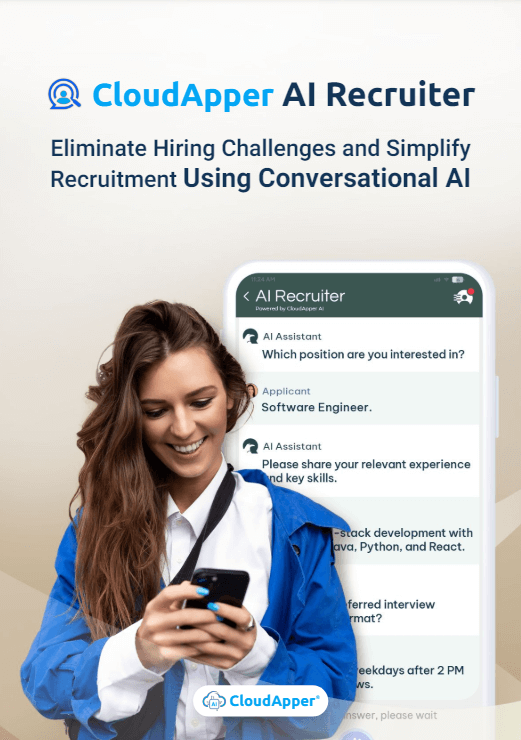
CloudApper AI Solutions for HR
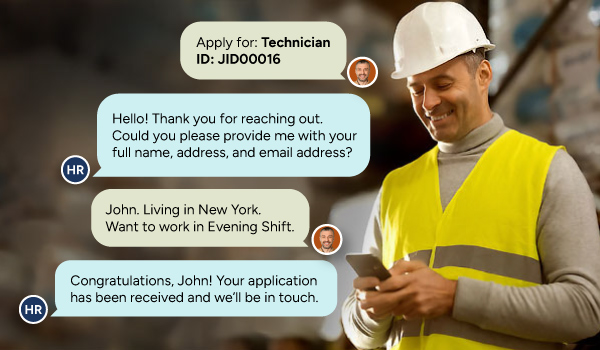

- Works with


- and more.







Similar Posts
How cNPS Reflects Your Recruitment and Employer Brand
The Recruitment-to-HRIS Gap: Why Your “System of Record” Should Start…