The recruitment-to-HRIS gap is one of the most overlooked causes of dirty HRIS data, broken onboarding, and compliance risk. This article explains why the handoff between recruitment and HRIS fails, how unfiltered hiring data becomes long-term operational debt, and how AI automation closes the recruitment-to-HRIS gap by ensuring clean, structured, and audit-ready data flows into HRIS from day one.

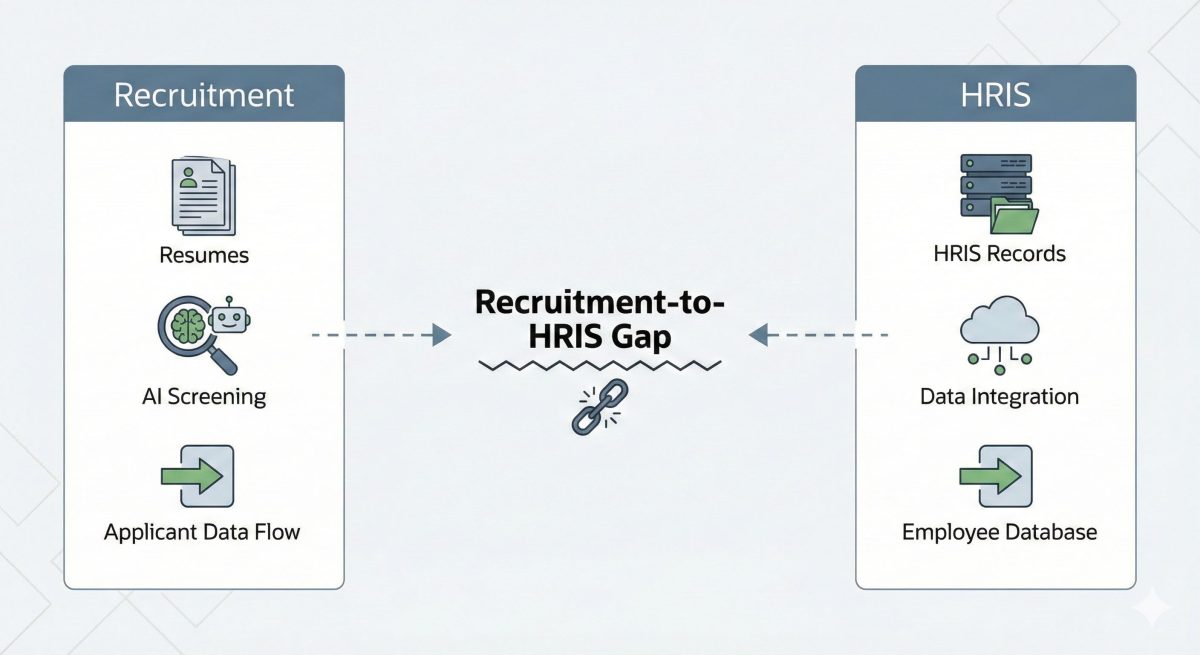
Table of Contents
HR leaders often describe their HRIS as the system of record—the single source of truth for workforce data, compliance, reporting, and downstream operations. Yet in practice, many HRIS environments struggle with inaccurate records, manual corrections, and reporting inconsistencies. At the root of these issues is a problem few teams address directly: the recruitment-to-HRIS gap.
For more information on CloudApper AI Recruiter visit our page here.
This gap emerges at the exact moment a candidate becomes an employee. Recruitment systems push data downstream, HRIS systems inherit it, and whatever quality issues exist at that handoff become long-term operational debt. Closing the recruitment-to-HRIS gap requires more than better forms or stricter rules. It requires intelligence and automation at the front door—before data ever reaches HRIS.
Modern organizations are increasingly turning to AI-driven recruitment automation to solve this problem at its source. Solutions like CloudApper AI Recruiter are designed specifically to ensure that only clean, structured, decision-ready data flows into HRIS, protecting the integrity of the system of record from day one.
Why the Recruitment-to-HRIS Gap Exists
The recruitment-to-HRIS gap exists because recruitment and HRIS were built for different goals.
Recruitment technology prioritizes speed, volume, and candidate experience. Easy apply, multi-board posting, and rapid screening are designed to increase applicant flow. HRIS, on the other hand, prioritizes accuracy, governance, compliance, and long-term data consistency.
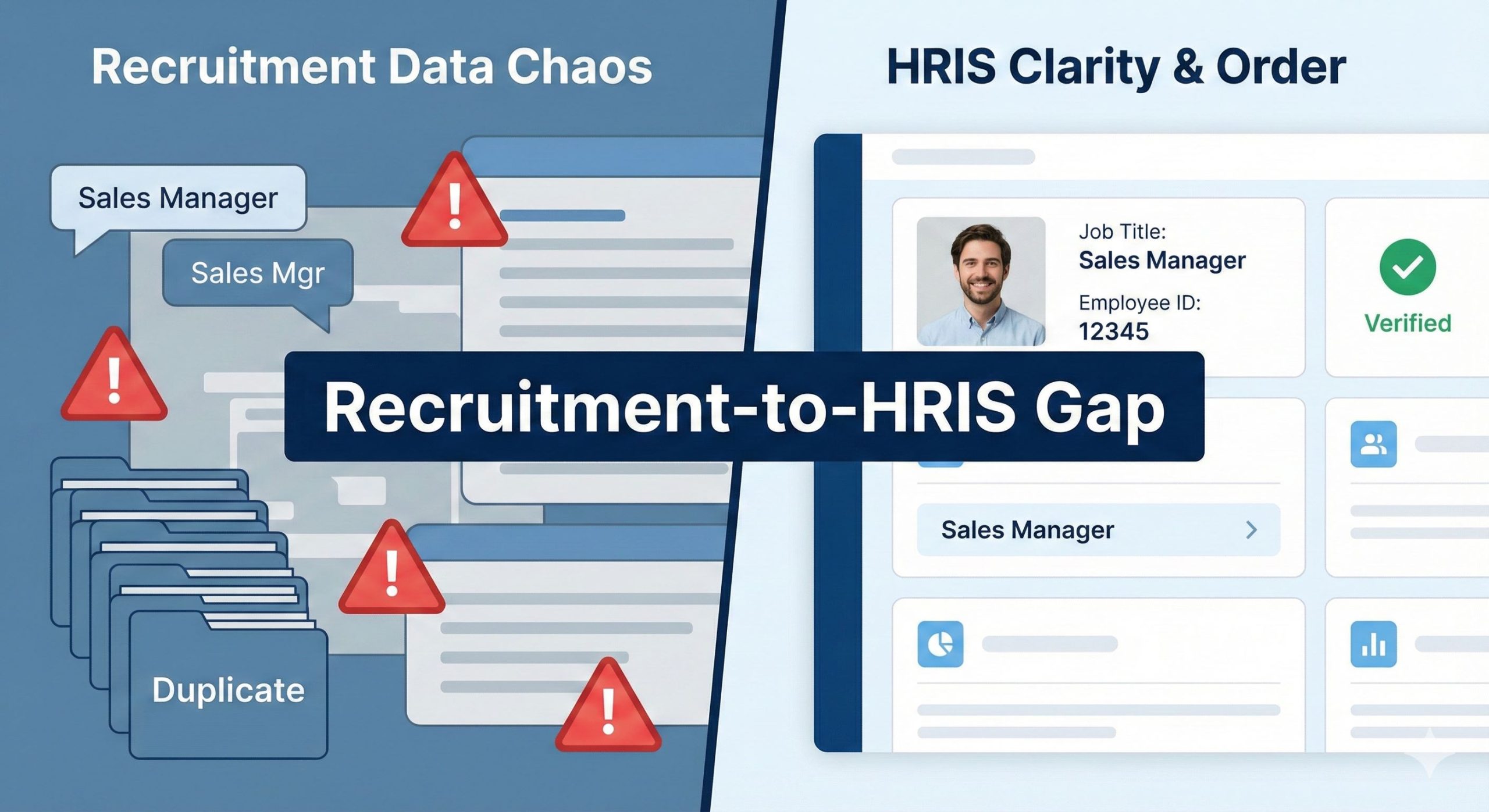
When high-volume recruitment feeds directly into HRIS without an intelligence layer in between, problems appear quickly:
- Inconsistent job codes and titles
- Incomplete or unverified candidate data
- Misaligned compensation and location details
- Poor audit trails for hiring decisions
- Manual cleanup during onboarding and payroll
Over time, these issues erode trust in HRIS reporting and force HR teams to rely on spreadsheets, workarounds, and manual interventions. The recruitment-to-HRIS gap turns HRIS from a strategic asset into a maintenance burden.
Why “Automation” Alone Doesn’t Fix the Problem
Many organizations attempt to solve the recruitment-to-HRIS gap by adding automation inside HRIS—workflow rules, validation checks, or approval steps. While helpful, these measures treat the symptom rather than the cause.
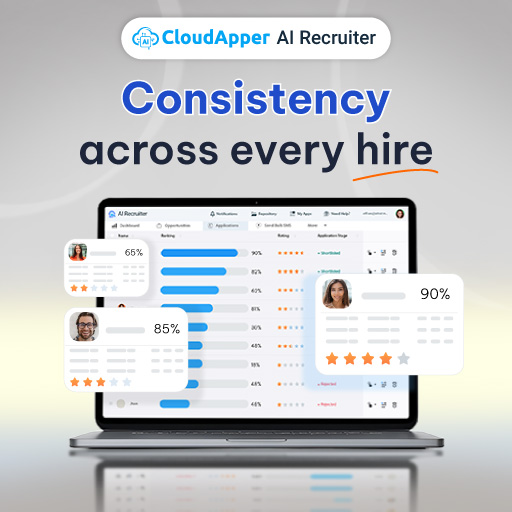
If recruitment systems send unstructured, low-quality data downstream, HRIS automation simply processes that data faster. It does not improve its quality. In fact, automating bad inputs often amplifies errors across payroll, benefits, access provisioning, and compliance reporting.
What’s missing is intelligence at the point of handoff. HRIS does not need more rules after the fact. It needs better data before the record is created.
The Cost of Dirty Data in HRIS
Dirty data is not just an inconvenience. It has measurable business consequences.
From an operational perspective, poor handoff data increases time-to-onboard, delays payroll readiness, and creates access control risks. From a compliance standpoint, it weakens audit trails and makes it harder to explain hiring decisions. From a strategic perspective, it undermines workforce analytics, DEI reporting, and headcount planning.
All of these outcomes stem from the same source: the recruitment-to-HRIS gap that allows unvalidated candidate data to become permanent employee records.
Rethinking the Handoff: Recruitment as a Data Gatekeeper
High-performing organizations are rethinking recruitment’s role in the HR technology stack. Instead of viewing recruitment as a sourcing engine, they treat it as a data gatekeeper for HRIS.
In this model, recruitment is responsible for:
- Structuring candidate data consistently
- Validating job fit before conversion to employee status
- Capturing explainable decision logic
- Standardizing records before HRIS ingestion
This shift closes the recruitment-to-HRIS gap by ensuring that HRIS only receives data that is accurate, complete, and audit-ready.
How AI Changes the Recruitment-to-HRIS Equation
AI introduces a fundamentally different approach to recruitment automation. Rather than relying on static rules or keyword matching, AI systems evaluate candidates against role-specific criteria, generate structured insights, and document decision logic.
This is especially powerful at the HRIS handoff stage. AI can ensure that:
- Only qualified candidates advance to hire status
- Candidate profiles are normalized and complete
- Job, location, and compensation data align with HRIS structures
- Decision rationale is captured for future audits
By applying intelligence upstream, AI prevents the recruitment-to-HRIS gap from forming in the first place.
CloudApper AI Recruiter: Closing the Recruitment-to-HRIS Gap
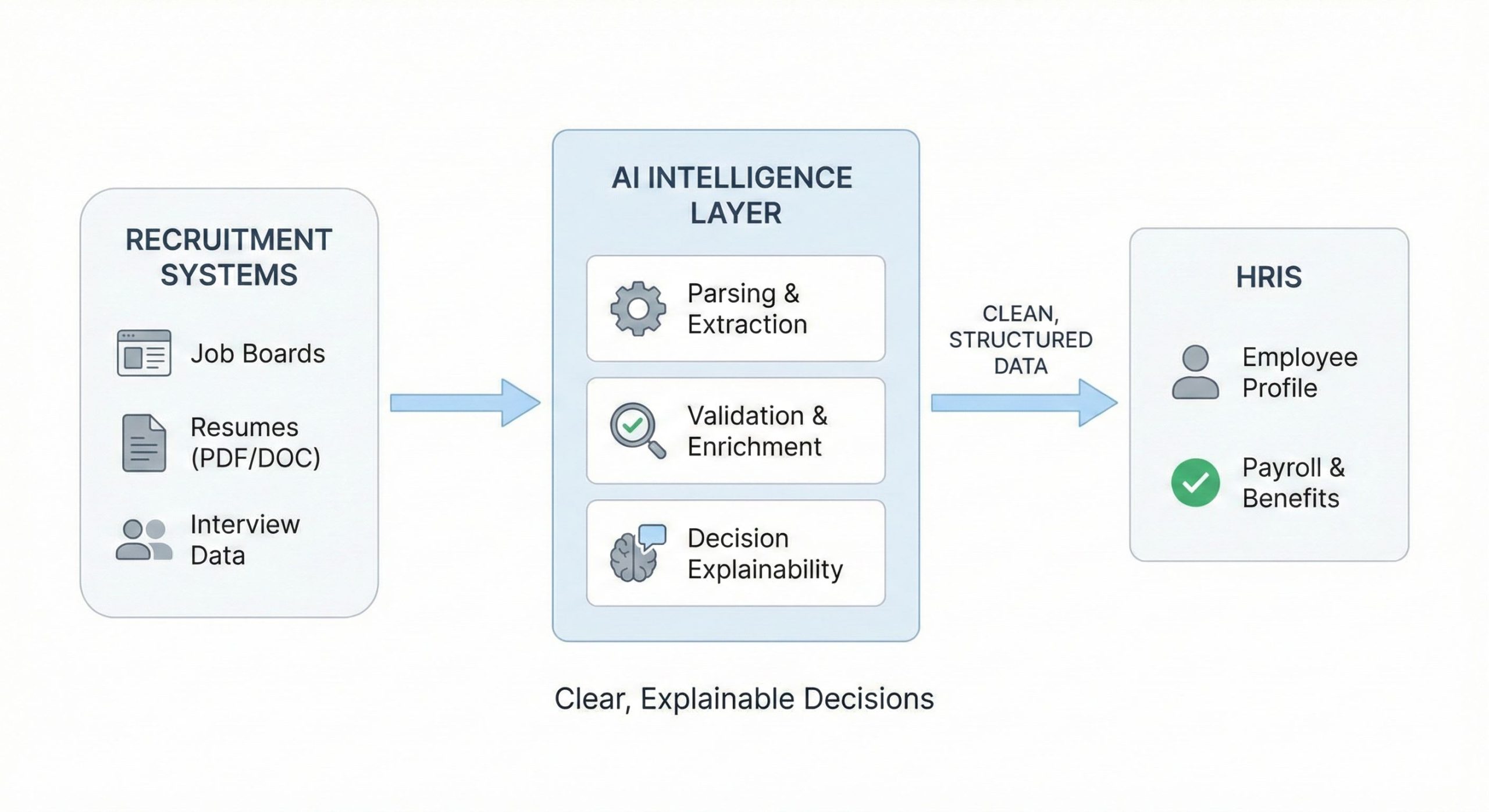
CloudApper AI Recruiter is designed specifically to close the recruitment-to-HRIS gap by acting as an intelligence and control layer between recruitment systems and HRIS.
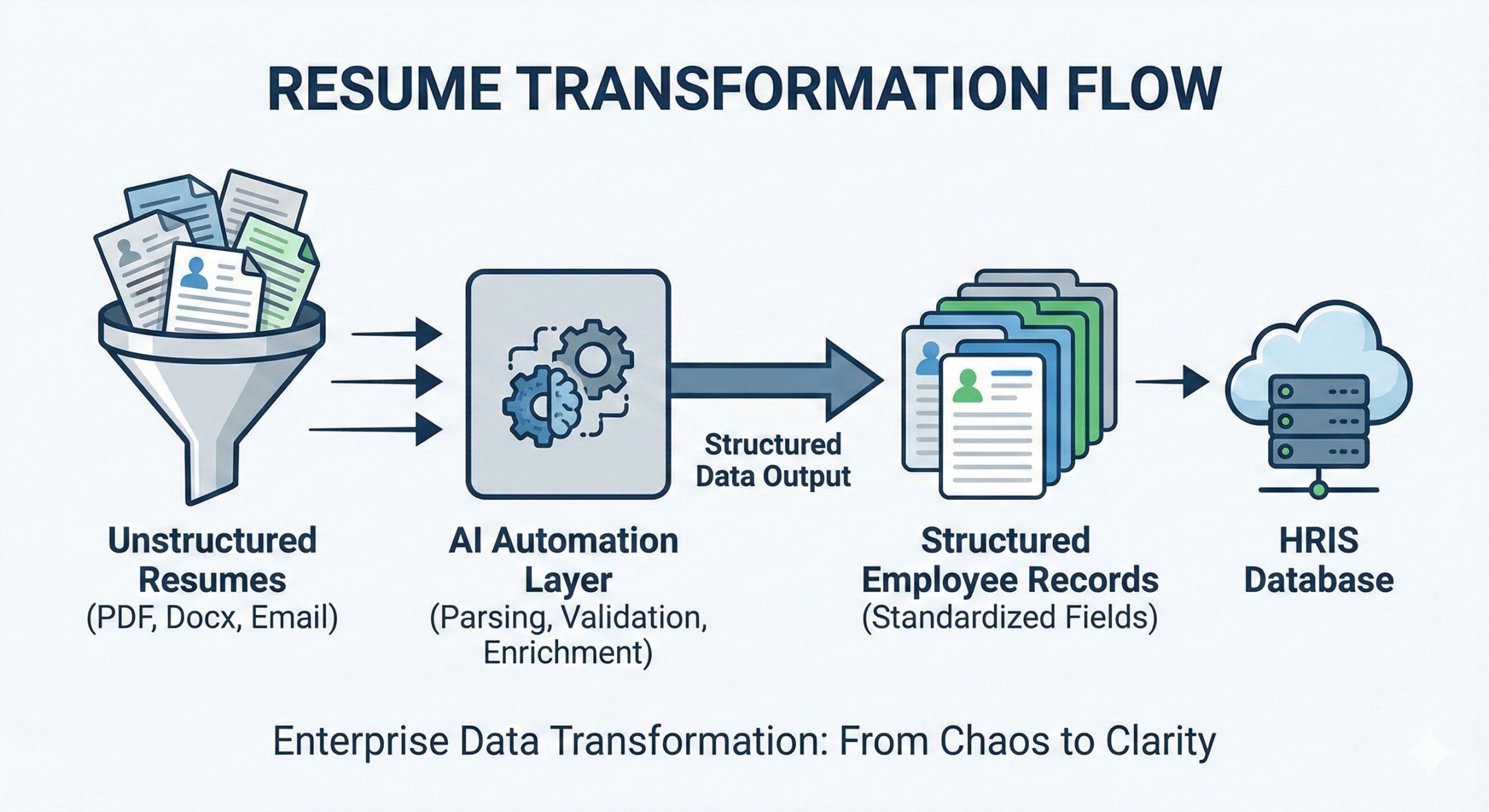
Instead of passing raw resumes and fragmented candidate records downstream, CloudApper AI Recruiter ensures that only clean, structured, validated data enters HRIS.
How It Works
CloudApper AI Recruiter screens candidates using role-specific, explainable criteria rather than generic keyword filters. Applicants are ranked based on job fit, skills alignment, and requirements defined by the organization. Low-fit applicants are filtered out early, reducing noise and protecting HRIS from unnecessary data volume.
As candidates progress, the solution captures standardized data fields that map directly to HRIS structures. By the time a candidate is marked as hired, their record is already normalized, complete, and aligned with downstream workflows.
Why This Matters for HRIS Teams
For HRIS teams, this approach delivers immediate and long-term benefits:
- Cleaner employee records: Fewer corrections during onboarding and payroll setup
- Stronger compliance posture: Explainable, auditable hiring decisions
- Faster onboarding: Data flows automatically without manual intervention
- More reliable analytics: Workforce reports reflect reality, not cleanup artifacts
- Lower operational debt: HRIS stays strategic instead of reactive
By addressing the recruitment-to-HRIS gap at the source, CloudApper AI Recruiter protects HRIS integrity without requiring system replacement or disruptive change.
Preventing Dirty Data Before It Becomes Permanent
Once bad data enters HRIS, it is difficult and costly to remove. The most effective strategy is prevention.
CloudApper AI Recruiter prevents dirty data by enforcing structure, validation, and intelligence at the moment it matters most—before a candidate becomes an employee. This proactive approach ensures that HRIS remains a true system of record rather than a system of correction.
The Strategic Takeaway
HRIS success does not start inside HRIS. It starts with how hiring data is generated, validated, and handed off.
The recruitment-to-HRIS gap is one of the most overlooked sources of HR technology failure, yet it is also one of the easiest to fix with the right approach. AI-driven recruitment automation provides the intelligence layer HRIS has always needed but never had.
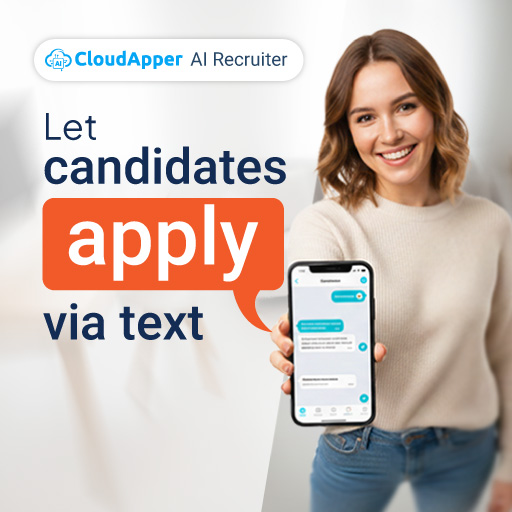
CloudApper AI Recruiter enables organizations to close the recruitment-to-HRIS gap by transforming recruitment from a resume intake process into a clean data pipeline. The result is an HRIS that delivers on its promise as a system of record—accurate, compliant, and ready to scale.
Ready to protect your HRIS from dirty data and manual cleanup?
Explore how CloudApper AI Recruiter can help you close the recruitment-to-HRIS gap and build a cleaner, more reliable hiring-to-HRIS pipeline.

What is CloudApper AI Platform?
CloudApper AI is an advanced platform that enables organizations to integrate AI into their existing enterprise systems effortlessly, without the need for technical expertise, costly development, or upgrading the underlying infrastructure. By transforming legacy systems into AI-capable solutions, CloudApper allows companies to harness the power of Generative AI quickly and efficiently. This approach has been successfully implemented with leading systems like UKG, Workday, Oracle, Paradox, Amazon AWS Bedrock and can be applied across various industries, helping businesses enhance productivity, automate processes, and gain deeper insights without the usual complexities. With CloudApper AI, you can start experiencing the transformative benefits of AI today. Learn More
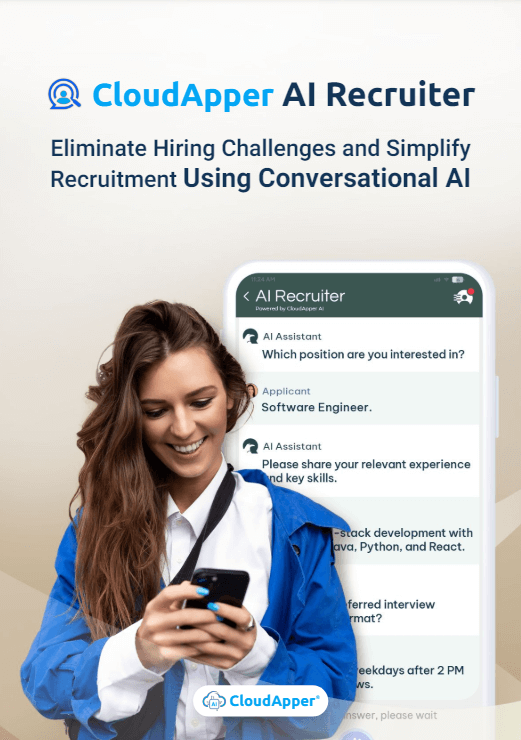
CloudApper AI Solutions for HR
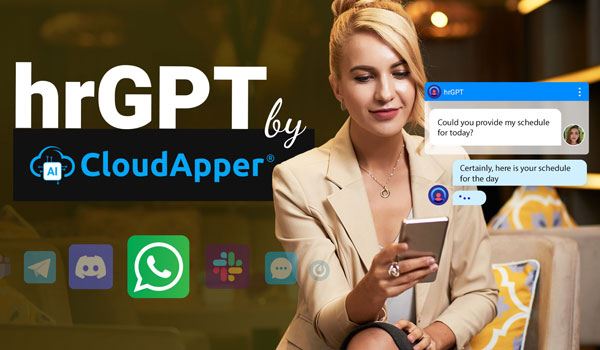
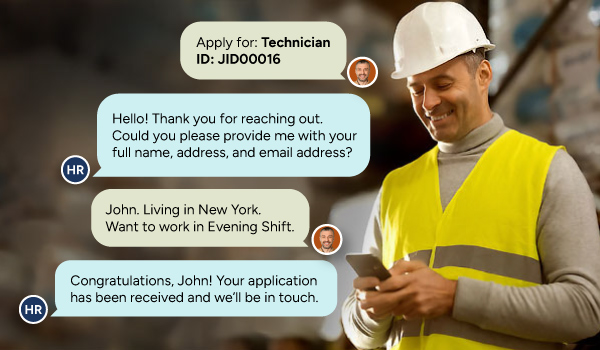

- Works with


- and more.







Similar Posts
How cNPS Reflects Your Recruitment and Employer Brand
How to Automate Multi-Site Interview Scheduling in Manufacturing Recruitment