This article explains why candidate experience in recruitment matters, how poor platforms create friction, and what makes recruitment software user-friendly. Learn how better usability reduces drop-offs, speeds up hiring, and improves engagement for both candidates and recruiters.

TL;DR
- Candidate experience starts before an application is submitted.
- Poor recruitment platforms create friction and increase drop-off.
- User-friendly platforms simplify applications and communication.
- Better usability leads to faster hiring and higher engagement.
- Automation supports recruiters without removing the human touch.
Table of Contents
Candidates do not walk away from hiring processes because they suddenly lose interest in the job. They walk away because the experience feels slow, confusing, or unnecessarily difficult. You may see strong interest when a role is posted, yet only a fraction of candidates complete the application. That drop-off is not random. It is usually a signal that something in the experience is pushing people away.
This is why candidate experience in recruitment has become one of the most important topics for hiring teams today. Every step of your process shapes how candidates feel about your organization. That impression forms long before an interview takes place.
Many organizations try to improve this experience by adopting more user-friendly recruitment platforms. One example is CloudApper AI Recruiter, which is designed to reduce friction for candidates while making it easier for recruiters to manage hiring workflows. Before focusing on tools, though, it is important to understand what candidate experience really means and why usability has such a direct impact on hiring success.
What Candidate Experience Really Means in Recruitment
Candidate experience is not limited to whether someone gets hired. It is the full journey a person goes through when interacting with your hiring process. This includes how they find your job, how easy it is to apply, how clearly you communicate, and how respectfully you close the loop.
The Experience Starts Before the Application
Candidates start forming opinions the moment they see your job posting. They notice how clear the role description is. They notice whether the requirements feel realistic. They notice how easy it is to start applying.
If the application link leads to a long and confusing form, many candidates never take the next step. This happens even when the role itself is appealing.
The Process Shapes Trust and Confidence
As candidates move through the process, they look for signs that your organization values their time. Clear instructions, confirmation messages, and predictable timelines help build confidence. Silence, repeated data entry, and unclear steps create doubt.
Even small issues can add up. A single confusing screen or missed update can make a candidate feel unsure about continuing.
Every Outcome Still Leaves an Impression
Candidate experience does not end when a decision is made. How you communicate rejections matters just as much as how you extend offers. Candidates remember whether they were treated with respect, even if the outcome was not what they hoped for.
Those memories influence whether they apply again or recommend your organization to others.
How Poor Recruitment Platforms Create Hidden Hiring Problems
Most recruiters care deeply about candidate experience. The problem often lies in the systems they are expected to use.
Application Processes That Feel Like Work
Many recruitment platforms ask candidates to complete long forms that repeat information already available on their resume. Candidates are required to create accounts, answer complex questions, and navigate multiple screens before submitting.
Each additional step increases frustration. Candidates begin to wonder whether the effort is worth it. Many decide it is not.
Communication Gaps That Create Anxiety
Candidates want to know where they stand. When platforms do not support automatic updates or status visibility, candidates are left guessing. Days or weeks pass without any communication.
This silence creates anxiety and leads candidates to assume they have been rejected or forgotten. In many cases, they move on before recruiters ever reach out.
Scheduling Delays That Cost You Talent
Interview scheduling is often one of the slowest parts of the hiring process. Manual coordination through email wastes time and creates unnecessary back-and-forth.
While scheduling drags on, candidates continue interviewing elsewhere. Faster organizations gain an advantage simply by moving more efficiently.
Administrative Burdens That Distract Recruiters
Recruiters often spend more time managing systems than engaging with people. Manual screening, data entry, and scheduling tasks reduce the time available for meaningful candidate conversations.
This affects both speed and quality of hiring decisions.
What Makes a Recruitment Platform Truly User-Friendly
A user-friendly recruitment platform supports both candidates and recruiters without adding friction. It guides people through the process instead of forcing them to figure things out on their own. When usability is strong, the platform fades into the background and allows hiring to move naturally.
For candidates, this means less confusion and fewer obstacles. For recruiters, it means fewer manual fixes and follow-ups. A truly user-friendly platform balances both sides so neither feels burdened by the process.
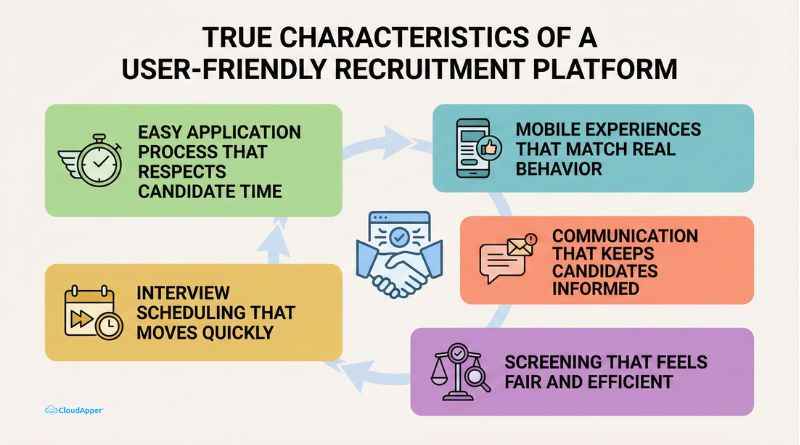
Applications That Respect Candidate Time
Applications should focus on collecting only what is necessary at the right moment. When candidates are asked to re-enter resume information or complete long forms upfront, frustration builds quickly. Many candidates abandon applications simply because the process feels longer than it should.
Respecting candidate time signals respect for the candidate as a person. Shorter, clearer applications lead to higher completion rates and better engagement. When candidates feel the process values their time, they are more likely to stay involved and responsive.
Mobile Experiences That Match Real Behavior
Many candidates apply for jobs on their phones, often during short breaks or after work hours. If your recruitment platform does not work smoothly on mobile devices, candidates encounter errors, slow loading, or unreadable layouts. These issues quietly push people away.
A mobile-friendly experience allows candidates to read job details, answer questions, and submit applications without effort. When mobile usability is strong, you remove a major barrier and open the door to a wider and more diverse talent pool.
Communication That Keeps Candidates Informed
Candidates want clarity, even if the process takes time. Automated confirmations and regular updates help candidates understand what happens next and where they stand. This reduces anxiety and prevents unnecessary follow-up messages.
Clear communication builds trust throughout the hiring process. Even when a candidate is not selected, timely updates leave a positive impression. Transparency shows that your organization respects candidates, regardless of the outcome.
Screening That Feels Fair and Efficient
Candidates care about how quickly and fairly their applications are reviewed. Long waiting periods with no feedback create doubt and frustration. When screening feels slow or inconsistent, candidates assume their application may not be taken seriously.
Efficient screening supported by automation helps candidates move forward faster. It also ensures that all applicants are evaluated using the same criteria. This consistency improves fairness while reducing the workload on recruiters.
Scheduling That Moves Quickly
Interview scheduling is often one of the most time-consuming steps in hiring. Manual coordination through emails leads to delays and confusion. Candidates may lose interest while waiting for confirmation.
Self-scheduling tools allow candidates to choose interview times that fit their availability. This speeds up the process and creates a smoother experience. Faster scheduling signals professionalism and keeps momentum strong.
A user-friendly hiring experience starts with removing small frustrations that quietly push candidates away.
How Better Candidate Experience Improves Hiring Outcomes
Improving candidate experience does more than make the process pleasant. It directly impacts hiring speed, quality, and long-term reputation. When usability improves, the entire recruitment pipeline becomes healthier.
The benefits show up quickly. Candidates respond faster, interviews happen sooner, and recruiters spend less time chasing updates. Over time, these improvements compound into stronger hiring outcomes.
Reduced Application Drop-Off
When applications are clear and easy to complete, more candidates finish them. This increases the number of qualified applicants without requiring additional sourcing effort. Fewer candidates drop out due to frustration or confusion.
A lower drop-off rate also improves diversity and reach. Candidates who might have left earlier stay engaged, giving you a broader and stronger talent pool to work with.
Faster Time to Hire
Efficient workflows reduce delays between each stage of the hiring process. Candidates move from application to interview more quickly, and decisions happen sooner. This speed is often the difference between securing talent and losing it to competitors.
Faster hiring also reduces strain on recruiters and hiring managers. When the process flows smoothly, teams spend less time managing logistics and more time evaluating fit.
Higher Engagement Throughout the Process
Candidates who feel informed and respected are more engaged. They respond promptly, prepare better for interviews, and communicate openly. This leads to more meaningful conversations during interviews.
Higher engagement improves hiring quality. Recruiters gain better insight into candidates, and candidates gain a clearer understanding of the role and organization.
Stronger Employer Reputation
Candidates talk about their experiences, whether positive or negative. A smooth and respectful hiring process leads to better reviews, referrals, and repeat applicants. Over time, this strengthens your employer brand.
Even candidates who are not hired remember how they were treated. Positive experiences encourage them to apply again or recommend your organization to others.
Where CloudApper AI Recruiter Supports Candidate Experience
One way organizations improve candidate experience is by using platforms like CloudApper AI Recruiter. The goal is to support recruiters while making the process easier for candidates. Technology should simplify hiring, not complicate it.
CloudApper AI Recruiter focuses on reducing friction at key points in the recruitment journey. It fits into existing workflows while improving usability for everyone involved.
Conversational Applications That Reduce Friction
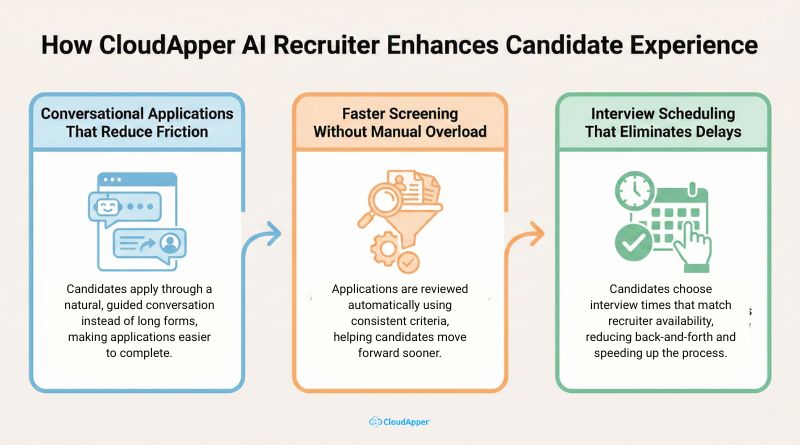
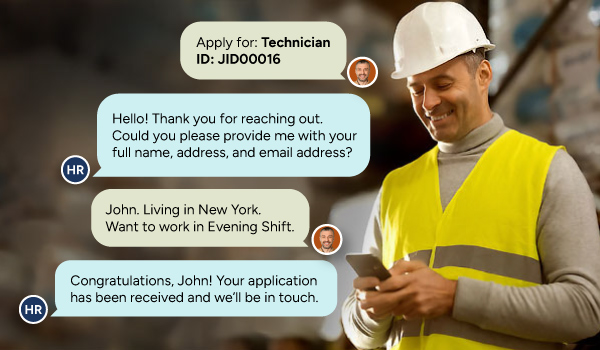
Instead of rigid application forms, candidates interact through a conversational flow. This feels more natural and less intimidating than traditional forms. Candidates can focus on sharing relevant information without feeling overwhelmed.
This approach increases application completion rates and keeps candidates engaged. When the process feels simple, candidates are more likely to finish and respond quickly.
Faster Screening Without Manual Overload
Initial screening happens automatically based on defined criteria. Candidates receive faster responses, and recruiters avoid spending hours on manual resume reviews. This keeps the process moving without sacrificing consistency.
Automated screening also helps ensure fairness. Every candidate is evaluated using the same standards, which builds trust in the process.
Interview Scheduling That Eliminates Delays
Automated scheduling allows candidates to select interview times that align with recruiter availability. This removes long email threads and reduces scheduling errors. Interviews happen sooner, and momentum stays strong.
Candidates appreciate knowing exactly when the next step will happen. Clear scheduling improves confidence and keeps candidates engaged.
Final Thoughts
Candidate experience in recruitment is no longer optional. It shapes who applies, who stays engaged, and who accepts offers. User-friendly platforms remove friction, support recruiters, and create better outcomes for everyone involved.
When candidates feel respected and supported, hiring becomes easier and more effective. Tools like CloudApper AI Recruiter show how usability and automation can work together to improve recruitment without losing the human touch.
You do not need to overhaul your hiring strategy to improve candidate experience. You need tools that work with you, not against you.
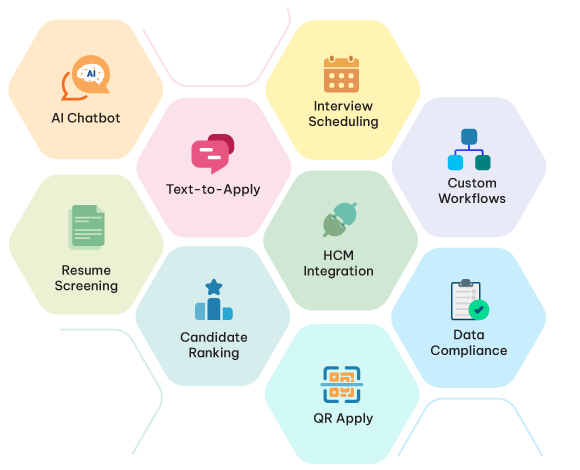
Reduce Time-to-Hire by 97% with AI for Talent Acquisition
Recruit skilled, culturally fit, and diverse candidates with CloudApper’s state-of-the-art AI resume screening, automated interview scheduling, and offer letter generation.
Learn more | Download BrochureFrequently Asked Questions
-
What is candidate experience in recruitment?
Candidate experience in recruitment refers to how job seekers perceive and feel about the entire hiring process, from applying for a role to receiving a final decision. -
Why do candidates drop out of hiring processes?
Candidates often drop out due to long application forms, slow communication, unclear next steps, and difficult recruitment platforms. -
How does a user-friendly recruitment platform improve hiring?
A user-friendly platform reduces friction, keeps candidates informed, speeds up screening and scheduling, and improves overall engagement. -
What features matter most for candidate experience?
Simple applications, mobile-friendly access, clear communication, fast screening, and easy interview scheduling are critical for a positive candidate experience. -
Can recruitment automation improve candidate experience?
Yes. When used correctly, automation reduces delays and manual tasks, allowing recruiters to focus more on communication and relationship building.
What is CloudApper AI Platform?
CloudApper AI is an advanced platform that enables organizations to integrate AI into their existing enterprise systems effortlessly, without the need for technical expertise, costly development, or upgrading the underlying infrastructure. By transforming legacy systems into AI-capable solutions, CloudApper allows companies to harness the power of Generative AI quickly and efficiently. This approach has been successfully implemented with leading systems like UKG, Workday, Oracle, Paradox, Amazon AWS Bedrock and can be applied across various industries, helping businesses enhance productivity, automate processes, and gain deeper insights without the usual complexities. With CloudApper AI, you can start experiencing the transformative benefits of AI today. Learn More
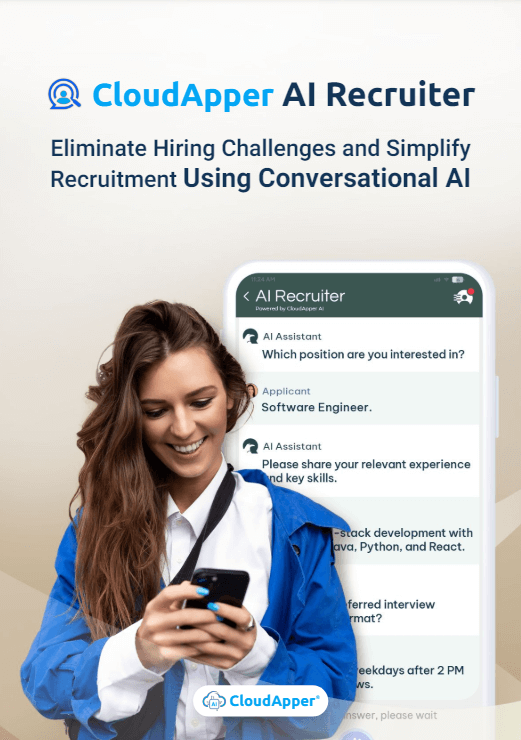
CloudApper AI Solutions for HR

- Works with


- and more.







Similar Posts
How cNPS Reflects Your Recruitment and Employer Brand
The Recruitment-to-HRIS Gap: Why Your “System of Record” Should Start…