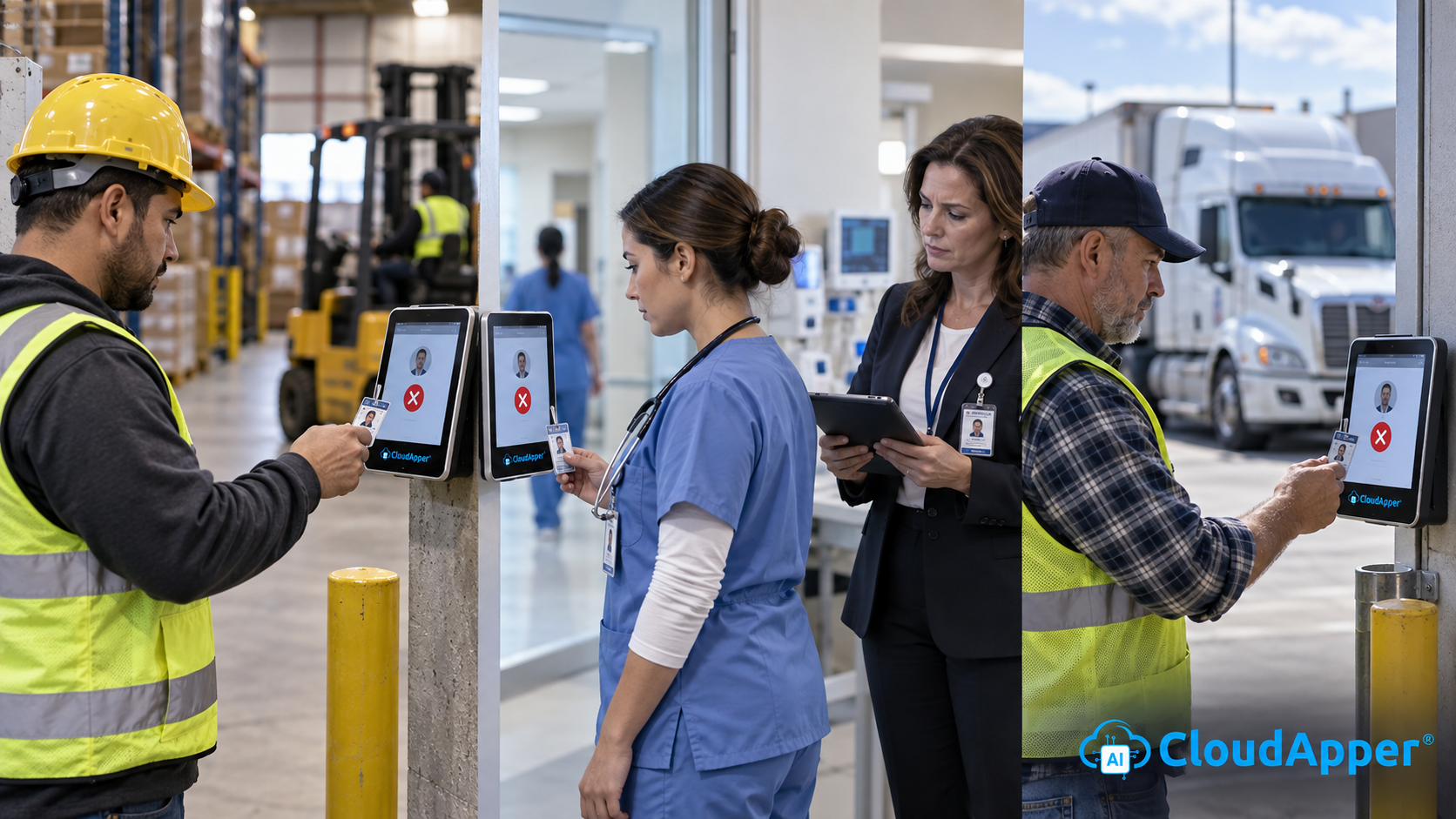
Understaffing During Peak Hours in Retail leads to frustrated customers and lost sales. CloudApper AI TimeClock prevents it by tracking real-time employee availability, filling open shifts automatically, and reducing last-minute gaps, so managers always have the coverage they actually need.

Table of Contents
Understaffing during peak hours can lead to frustrated customers, overworked employees, and lost sales. If you’ve ever managed a retail store, restaurant, or service-based business, you know the struggle. When there aren’t enough employees available to handle customer demand, service quality suffers. That’s why businesses are turning to AI for workforce scheduling to fill shifts faster and ensure smooth operations. CloudApper AI TimeClock simplifies workforce scheduling by tracking employee availability, optimizing shifts, and reducing last-minute gaps. Let’s explore how AI helps avoid understaffing during peak hours and improves shift optimization.
TL;DR:
- Understaffing during peak hours in retail happens when managers lack visibility into who’s available to work.
- CloudApper AI TimeClock tracks employee availability in real time and notifies free staff about open shifts instantly.
- When someone calls out, the system automatically alerts qualified employees so shifts get filled within minutes, not hours.
- Shift confirmation reminders cut down no-shows, and automated shift swaps keep schedules balanced without manager intervention.
- The result is fewer coverage gaps, lower overtime costs, and more consistent service during your busiest hours.
Why Understaffing During Peak Hours Happens
Many businesses face staffing shortages due to poor shift planning, last-minute call-offs, or difficulty finding replacements. Some of the most common causes of understaffing include:

- Unclear visibility into employee availability
- Lack of an efficient system for filling open shifts
- Last-minute shift swaps that leave managers scrambling
- No-show employees failing to report their absence on time
- Manual scheduling errors leading to unbalanced shifts
These issues make it harder to maintain consistent staffing levels, especially when demand spikes. AI-driven workforce scheduling tools like CloudApper AI TimeClock can help prevent these problems before they happen.
How AI Helps Avoid Understaffing During Peak Hours
AI simplifies shift scheduling by automating key workforce management tasks. Instead of relying on manual processes, businesses can use AI-powered shift optimization to ensure they have enough employees at the right time. Here’s how AI in workforce scheduling prevents understaffing:
Track Employee Availability in Real-Time
Keeping track of employee availability is one of the biggest challenges in workforce scheduling. With CloudApper AI TimeClock, you can monitor availability in real-time and fill shifts faster. AI instantly identifies employees who are free to work and sends them notifications about open shifts. This ensures managers can act quickly and avoid gaps in coverage.
Fill Open Shifts Automatically
When an employee calls out, finding a replacement can take hours. AI in workforce scheduling eliminates this hassle by automatically notifying qualified employees about open shifts. CloudApper AI TimeClock sends alerts through SMS, email, or messaging apps like Slack, allowing employees to claim shifts instantly.
Prevent No-Shows with Shift Confirmation
No-show employees create serious staffing problems. AI helps prevent no-shows by sending shift reminders and requiring employees to confirm attendance before their scheduled time. If an employee can’t make it, AI automatically begins the process of finding a replacement.
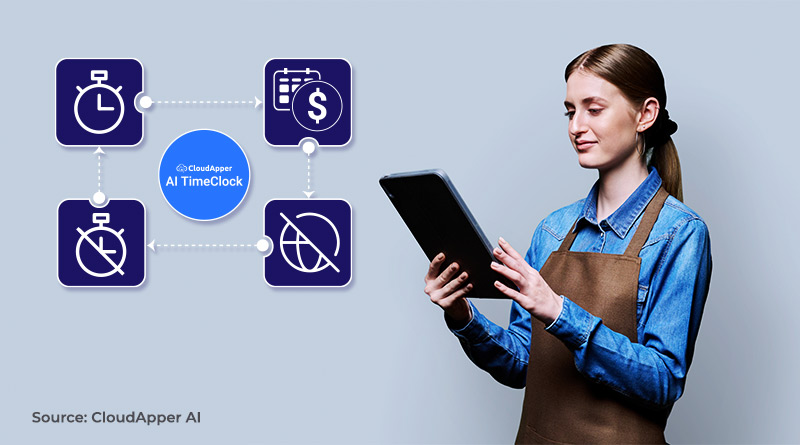
Streamline Shift Swapping
Employees sometimes need to swap shifts, but manual shift swaps often lead to confusion or scheduling gaps. AI-powered workforce scheduling makes shift swaps seamless by notifying eligible employees about available shifts and ensuring all changes align with labor requirements.
Optimize Shift Bidding for Better Staffing
Vacation bidding and shift selection can cause staffing shortages if not managed properly. AI allows businesses to notify eligible employees about open slots and ensure that shifts are fairly distributed based on availability and past work hours. This improves employee satisfaction while ensuring smooth operations.
The Benefits of Using AI for Workforce Scheduling
Implementing AI in workforce scheduling brings multiple benefits:
- More Efficient Scheduling: AI fills shifts faster, reducing manager workload.
- Better Coverage: AI ensures the right number of employees are scheduled for peak hours.
- Fewer Last-Minute Gaps: Automated shift notifications help avoid sudden understaffing.
- Increased Employee Engagement: Employees have more control over their schedules.
- Reduced Overtime Costs: AI prevents unnecessary overtime by distributing shifts efficiently.
Frequently Asked Questions
What Causes Understaffing During Peak Hours in Retail?
Understaffing during peak hours in retail usually comes down to poor visibility into employee availability, last-minute call-offs, and manual scheduling that can’t keep up with sudden demand spikes.
How Does AI Prevent Understaffing During Peak Hours in Retail?
AI tracks employee availability in real time, automatically notifies qualified staff about open shifts, and sends reminders to confirm attendance, so managers can fill gaps before they affect customers.
Can Employees Claim Open Shifts Themselves With CloudApper AI TimeClock?
Yes. When a shift opens up, eligible employees get notified through SMS, email, or messaging apps like Slack and can claim it directly, without a manager having to call around.
Does CloudApper AI TimeClock Help Reduce Overtime Costs?
Yes. By distributing shifts more evenly based on availability and past hours worked, the system helps avoid the overtime that comes from scrambling to cover last-minute gaps.
How Quickly Can a Business See Results After Implementing AI Scheduling?
Most businesses notice fewer coverage gaps and faster shift fills within the first few scheduling cycles, since the system starts tracking availability and automating notifications from day one.
Final Thoughts
Understaffing during peak hours can disrupt business operations, hurt customer service, and stress employees. AI-driven workforce scheduling provides an effective way to manage employee availability, optimize shift allocation, and prevent last-minute gaps. CloudApper AI TimeClock ensures that managers always have a clear view of workforce scheduling, making it easier to avoid understaffing and keep business running smoothly.
Contact us today to get a personalized demo of CloudApper AI TimeClock.

What is CloudApper AI Platform?
CloudApper AI is an advanced platform that enables organizations to integrate AI into their existing enterprise systems effortlessly, without the need for technical expertise, costly development, or upgrading the underlying infrastructure. By transforming legacy systems into AI-capable solutions, CloudApper allows companies to harness the power of Generative AI quickly and efficiently. This approach has been successfully implemented with leading systems like UKG, Workday, Oracle, Paradox, Amazon AWS Bedrock and can be applied across various industries, helping businesses enhance productivity, automate processes, and gain deeper insights without the usual complexities. With CloudApper AI, you can start experiencing the transformative benefits of AI today. Learn More
- Useful Links:
- Agentic AI
- No-Code/Low-Code
- Custom Software
- HCM Personalization
- iPaaS
- FedRAMP
Brochure
CloudApper AI TimeClock
For accurate & touchless time capture experience.
Download Brochure
CloudApper AI Solutions for HR

- Works with








- and more.
Similar Posts
Adding a New Location to Your HR System: The Time…
Bulk Punch In and Out at Shift Change: Clearing the…