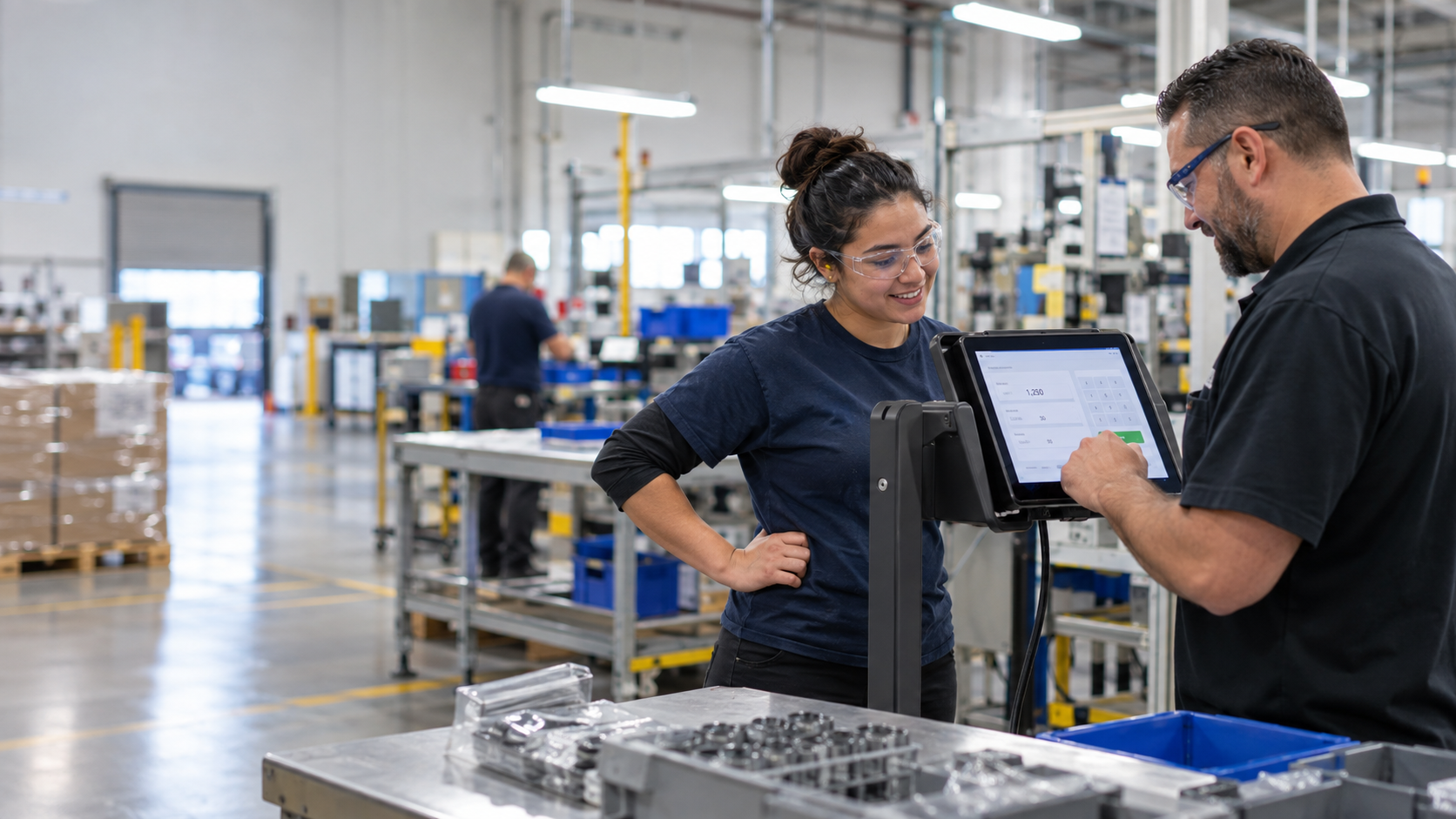
CloudApper hrPad revolutionizes environmental impact by streamlining job transfers, reducing paper waste, and enhancing energy efficiency. This digital platform minimizes carbon emissions and supports sustainable business practices, aligning with corporate social responsibility goals while boosting operational efficiency.

Table of Contents
- Why traditional HR processes quietly create environmental waste
- What sustainable HR operations actually look like
- How CloudApper hrPad reduces paper dependency in HR
- Energy efficiency without unrealistic claims
- Reducing carbon emissions by minimizing administrative travel
- Practical use cases where hrPad supports greener operations
- Measuring sustainability impact realistically
- Aligning sustainability with employee experience
- The bigger picture: sustainable HR as a strategic advantage
Sustainability is no longer limited to manufacturing lines, transportation fleets, or energy procurement. For many organizations, a significant and often overlooked source of environmental impact lies quietly within everyday administrative operations—especially in HR. Paper-based workflows, redundant approvals, and unnecessary travel for routine workforce changes add up over time, creating waste that rarely appears in sustainability reports but materially affects a company’s carbon footprint.
This is where digital HR platforms play a meaningful role. CloudApper hrPad demonstrates how modern workforce technology can help organizations reduce paper usage, minimize avoidable energy consumption, and lower emissions tied to administrative inefficiencies—without disrupting existing HR systems or requiring employees to rely on personal devices.

Rather than promising abstract “green transformation,” hrPad focuses on practical, measurable changes that align sustainability with operational efficiency.
Why traditional HR processes quietly create environmental waste
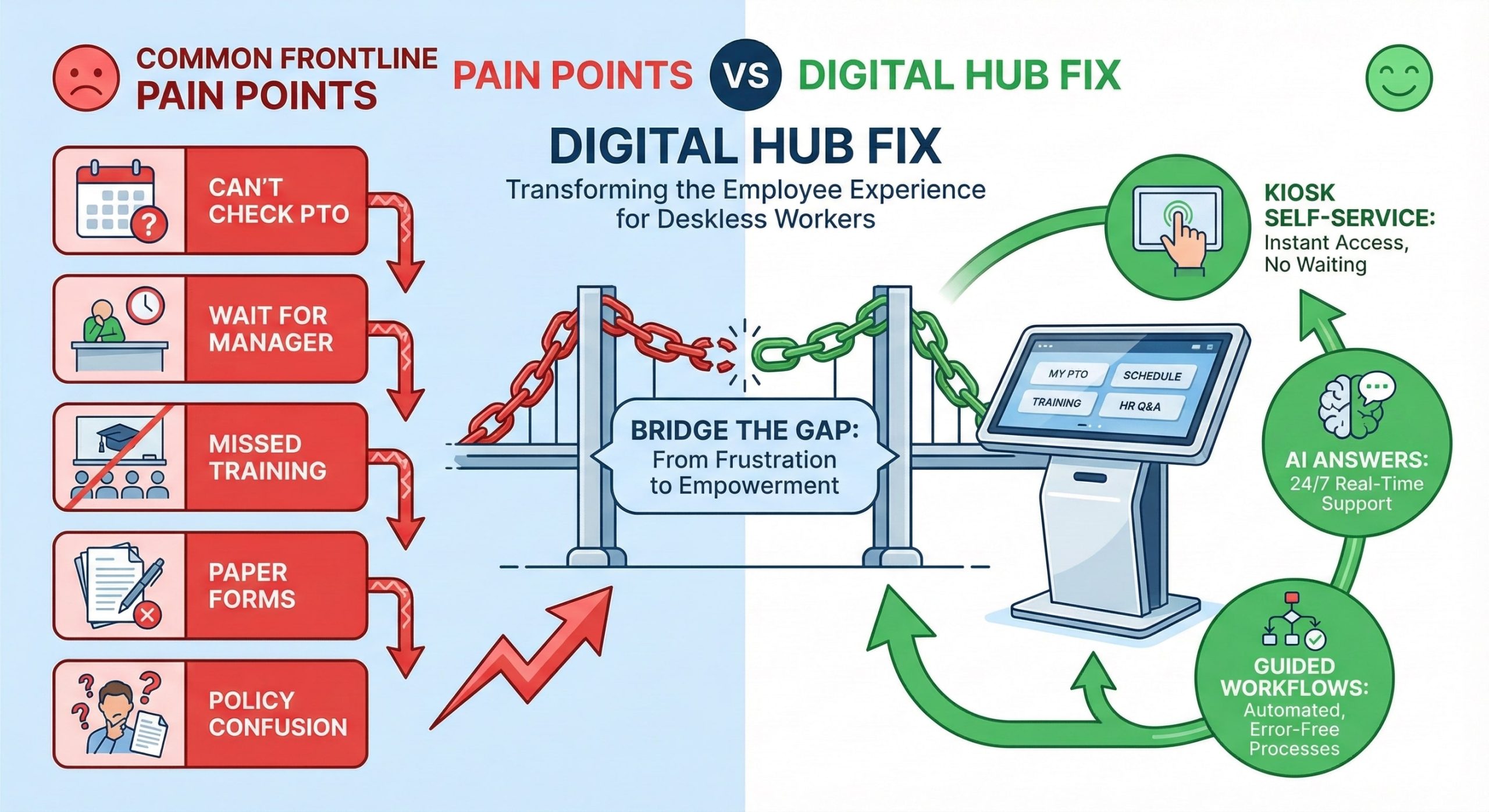
Most HR teams do not intentionally design wasteful systems. The problem lies in how processes evolved over decades. Job transfers, role changes, policy acknowledgments, approvals, and employee updates often rely on paper forms, physical signatures, scanning, and manual handoffs between managers, HR, and operations teams.
These workflows generate environmental impact in several ways:
Paper consumption remains high in HR-heavy organizations, contributing to deforestation, landfill use, and recycling energy costs. Office paper still represents a large share of corporate waste streams, and reducing paper at the source is far more effective than recycling after the fact.
Energy use increases through printers, scanners, copiers, and storage systems that support paper-based processes. Reprinting, rescanning, and correcting errors multiply this energy footprint.
Unnecessary travel occurs when managers or HR staff move between locations to collect paperwork, resolve incomplete forms, or approve transfers in person. These trips consume fuel, add emissions, and waste productive time.
While each action may seem small in isolation, at scale—across multiple locations and hundreds or thousands of employees—the cumulative environmental and operational costs become significant.
What sustainable HR operations actually look like
A sustainable HR strategy is not about eliminating all physical resources overnight. Instead, it focuses on reducing the highest-friction activities that generate the most waste. In practice, this means:
Reducing paper generation, not just recycling it
Eliminating duplicate work caused by unclear or incomplete processes
Minimizing avoidable administrative travel
Using shared, energy-efficient digital access points instead of expanding device sprawl
Digital platforms that support these goals do more than improve sustainability—they also improve accuracy, speed, and employee experience.
How CloudApper hrPad reduces paper dependency in HR
CloudApper hrPad functions as an employee self-service kiosk experience that runs on tablets or PCs and integrates with existing HR and HCM systems. This approach is particularly practical for deskless and frontline workforces who may not have consistent access to corporate email or personal devices.
By digitizing workflows such as job transfers, role changes, approvals, and acknowledgments, hrPad removes paper from the process entirely. Employees initiate requests digitally. Managers review and approve within the same system. HR receives structured, complete information without chasing signatures or reprinting forms.
This shift does more than reduce paper consumption. It also eliminates the “shadow paper” problem—where teams print documents simply because they do not trust that everyone can access digital systems reliably. A shared, on-site digital access point ensures consistency and accessibility across the workforce.
Over time, organizations typically see measurable reductions in printing volume, paper purchasing, storage needs, and document-related rework.
Energy efficiency without unrealistic claims
Digital systems are not carbon-free, and credible sustainability conversations should acknowledge that. Devices, servers, and networks all consume energy. However, the environmental benefit comes from replacing inefficient, repetitive processes with streamlined digital workflows.
In traditional HR environments, printers, scanners, and copiers run continuously, often servicing redundant tasks. By reducing reliance on this equipment, hrPad helps organizations lower energy usage tied to document handling.
Additionally, shared kiosk-based access can reduce the need for dedicated devices for HR tasks. When deployed thoughtfully, this model supports longer device lifetimes and more efficient energy use than fragmented, paper-dependent setups.
The goal is not perfection—it is meaningful reduction where waste is highest.
Reducing carbon emissions by minimizing administrative travel
One of the most overlooked contributors to HR-related emissions is travel that exists solely to move information. Managers driving between facilities to sign transfer paperwork, HR teams visiting sites to correct incomplete forms, or supervisors traveling to resolve simple administrative issues all add unnecessary emissions.
By handling job transfers and approvals digitally, hrPad reduces the need for these trips. Workflows move through the system instead of across physical locations. Status visibility prevents repeat visits caused by missing information or unclear ownership.
Research on remote and hybrid work consistently shows that reduced commuting and travel can significantly lower an organization’s carbon footprint. While frontline roles are not remote, the same principle applies to administrative tasks: if the work does not require physical presence, digital execution is the more sustainable option.
Practical use cases where hrPad supports greener operations
Organizations with multiple locations often experience frequent workforce movement—temporary assignments, department changes, or role transfers. Digitizing these workflows prevents paper accumulation and reduces administrative travel between sites.
Manufacturing, logistics, retail, and hospitality environments benefit from kiosk-based self-service because it provides equitable access without expanding paper processes or requiring personal technology.
Companies looking to reduce office footprint and energy costs can also benefit. When routine HR tasks move to self-service workflows, the need for centralized administrative spaces and physical storage declines over time.
In each case, sustainability gains emerge from operational simplification rather than symbolic initiatives.
Measuring sustainability impact realistically
Rather than promising universal carbon reduction percentages, organizations should measure the changes they can directly observe after implementing hrPad. These metrics often include reductions in paper purchasing, printer maintenance costs, document processing time, and administrative travel frequency.
Workflow cycle times and error rates also provide insight into efficiency gains that indirectly support sustainability by reducing rework and wasted effort.
By tying environmental improvements to operational data, sustainability becomes defensible, auditable, and aligned with business performance.
Aligning sustainability with employee experience
Sustainable systems succeed when employees actually use them. hrPad improves adoption by simplifying workflows and reducing friction for frontline workers who previously relied on paper forms and manual handoffs.
Clear digital processes reduce confusion, shorten approval timelines, and provide transparency into request status. Employees spend less time tracking paperwork and more time focused on their roles, while HR teams gain cleaner data and fewer exceptions to manage.
This alignment between sustainability and usability is critical. Environmental benefits that come at the cost of employee frustration rarely last.
The bigger picture: sustainable HR as a strategic advantage
Environmental responsibility is increasingly tied to employer brand, regulatory expectations, and operational resilience. Organizations that reduce waste and inefficiency in HR processes are better positioned to scale sustainably, respond to workforce changes quickly, and demonstrate genuine commitment to responsible operations.
CloudApper hrPad illustrates how sustainability does not require radical disruption. Instead, it requires identifying where everyday processes generate unnecessary waste and replacing them with accessible, well-designed digital workflows.
By reducing paper usage, minimizing avoidable travel, and improving process efficiency, hrPad helps organizations move toward a smaller environmental footprint while simultaneously strengthening workforce operations.
In an era where sustainability and efficiency must coexist, practical digital solutions—not symbolic gestures—are what truly move the needle.
What is CloudApper AI Platform?
CloudApper AI is an advanced platform that enables organizations to integrate AI into their existing enterprise systems effortlessly, without the need for technical expertise, costly development, or upgrading the underlying infrastructure. By transforming legacy systems into AI-capable solutions, CloudApper allows companies to harness the power of Generative AI quickly and efficiently. This approach has been successfully implemented with leading systems like UKG, Workday, Oracle, Paradox, Amazon AWS Bedrock and can be applied across various industries, helping businesses enhance productivity, automate processes, and gain deeper insights without the usual complexities. With CloudApper AI, you can start experiencing the transformative benefits of AI today. Learn More
- Useful Links:
- Agentic AI
- No-Code/Low-Code
- Custom Software
- HCM Personalization
- iPaaS
- FedRAMP
Brochure
CloudApper hrPad
Empower Frontline Employees with an AI-Powered Tablet/iPad Solution
Download Brochure
CloudApper AI Solutions for HR

- Works with







- and more.
Similar Posts
Badge vs. PIN vs. Face Scan: Time Clock Authentication Guide

Payroll Questions From Employees: Six Causes and Fixes