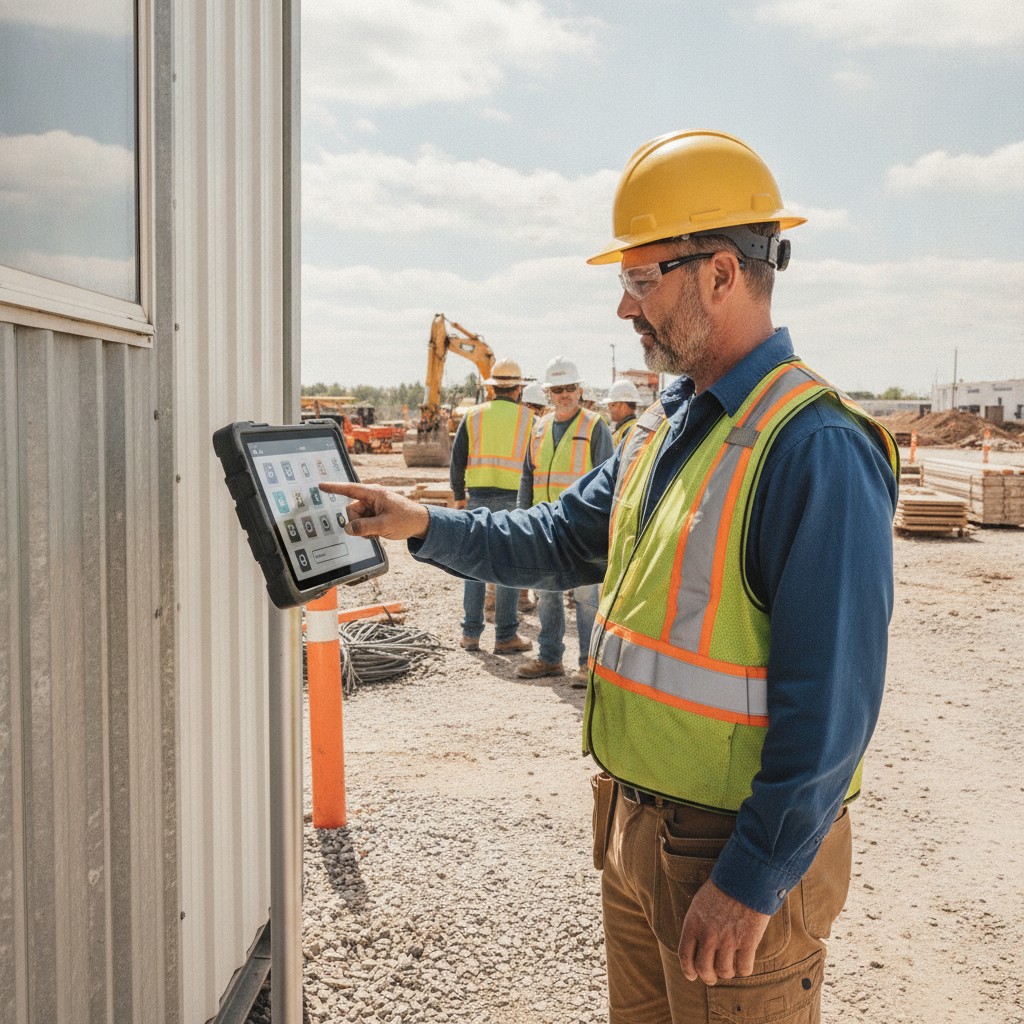
AI stress-detection claims often overpromise. Here's what CloudApper hrPad's attendance data and configurable surveys can honestly tell HR about workplace stress — and what still needs a human conversation.

Table of Contents
- What time and attendance data can actually signal
- Where hrPad’s surveys add the other half of the picture
- What this doesn’t replace
- Turning signals into action
Workplace stress is a real, well-documented issue for employers — but the tools that claim to “predict” it with AI often promise more than time-and-attendance data can actually tell you. Here’s an honest look at what CloudApper hrPad can and can’t do when it comes to workplace stress.
What time and attendance data can actually signal
Time and attendance patterns are a legitimate, if indirect, indicator worth watching. Frequent absenteeism, a sudden shift in overtime hours, or irregular clock-in patterns can be early signals that something has changed for an employee or a team — a workload spike, a scheduling conflict, or burnout. CloudApper hrPad’s time-tracking data makes these patterns visible to HR and managers who might otherwise only notice them after they’ve become a bigger problem.

Where hrPad’s surveys add the other half of the picture
Attendance data alone doesn’t tell you why a pattern changed. hrPad’s configurable surveys, run on the same tablet employees use for clocking in, let HR ask directly — short, recurring pulse checks on workload, scheduling, or team dynamics. Combining what the attendance data shows with what employees actually report gives HR a more grounded basis for action than either source alone.
What this doesn’t replace
To be clear about scope: hrPad doesn’t run clinical stress assessments, and it isn’t a sentiment-analysis engine parsing free-text feedback for emotional signals. What it offers is structured, visible data — attendance patterns and direct survey responses — that HR can use to decide where to look closer, whether that’s redistributing workload, adjusting a schedule, or simply asking a manager to check in with a team.
Turning signals into action
The pattern that actually works in practice: use attendance trends to flag where to look, use surveys to ask directly, and treat both as a starting point for a human conversation rather than an automated diagnosis. AI tools that skip straight to “predicting” stress without that grounding tend to generate false confidence rather than useful action.
FAQ
Can hrPad predict which employees are stressed?
No — hrPad surfaces attendance patterns and survey responses that can indicate stress-related issues worth investigating. It doesn’t make clinical or predictive claims about individual employees.
What attendance patterns are worth watching?
Frequent absenteeism, sudden increases in overtime, or irregular clock-in times are common indirect signals that HR and managers can use as a starting point for a direct conversation.
Building a workable process around these signals
The organizations that get value from attendance and survey data tend to follow a similar pattern: review attendance trends on a regular cadence (weekly or biweekly, not just at review time), pair any concerning pattern with a direct, low-pressure conversation rather than an automated flag alone, and use survey responses to check whether what the data suggests matches what employees are actually experiencing. None of this requires predictive AI — it requires making the underlying data visible and easy to act on, which is the part manual, spreadsheet-based tracking tends to fail at.
Common mistakes to avoid
- Treating a single data point as conclusive: One week of overtime doesn’t necessarily mean burnout — a sustained pattern across several weeks is a more reliable signal than any single week.
- Skipping the human conversation: Data can flag where to look, but it can’t tell you why. A direct conversation is still the step that turns a pattern into an actual understanding.
- Only surveying when something’s already gone wrong: Recurring, low-friction pulse surveys catch issues earlier than infrequent, reactive ones.
See CloudApper’s AI Time Clock and attendance tracking, or book a demo to discuss your workforce.

What is CloudApper AI Platform?
CloudApper AI is an advanced platform that enables organizations to integrate AI into their existing enterprise systems effortlessly, without the need for technical expertise, costly development, or upgrading the underlying infrastructure. By transforming legacy systems into AI-capable solutions, CloudApper allows companies to harness the power of Generative AI quickly and efficiently. This approach has been successfully implemented with leading systems like UKG, Workday, Oracle, Paradox, Amazon AWS Bedrock and can be applied across various industries, helping businesses enhance productivity, automate processes, and gain deeper insights without the usual complexities. With CloudApper AI, you can start experiencing the transformative benefits of AI today. Learn More
- Useful Links:
- Agentic AI
- No-Code/Low-Code
- Custom Software
- HCM Personalization
- iPaaS
- FedRAMP
Brochure
CloudApper hrPad
Empower Frontline Employees with an AI-Powered Tablet/iPad Solution
Download Brochure
CloudApper AI Solutions for HR

- Works with







- and more.
Similar Posts

Payroll Questions From Employees: Six Causes and Fixes

Stop Piece-Rate Pay Disputes on Payday: Let Workers Confirm Daily…