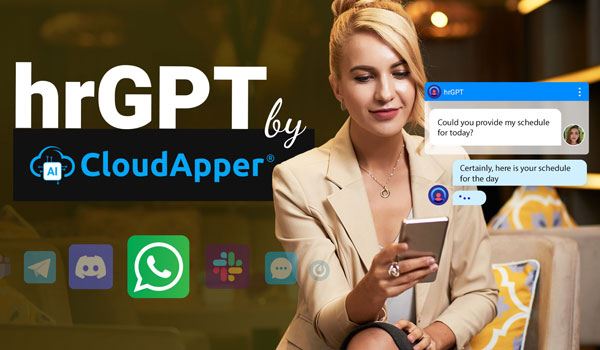
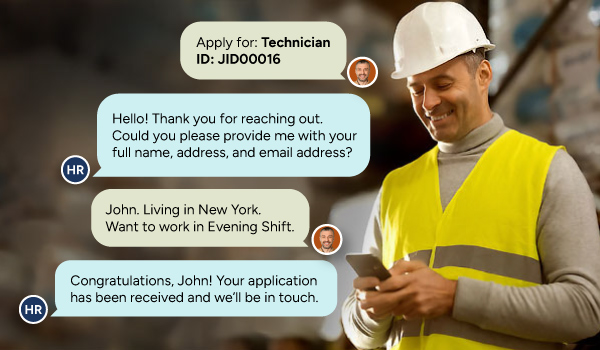
Here are use cases and pre-built agents designed for specific functions, industries, and initiatives. Millions more can be created with just a few clicks using CloudApper’s no-code AI platform.
By the time an employee resigns, the damage is already done. But what if the warning signs were hiding in plain sight? From attendance patterns to quick engagement check-ins, see how CloudApper hrPad helps HR teams catch disengagement early and act before good employees walk away.
Executive Director of Workforce Systems | B2B SaaS Across Enterprise & Public Sector|MBA in MIS
Table of Contents
Employee turnover rarely comes out of nowhere. Most of the time, the signals are there long before someone submits a resignation letter. The problem is that those signals are often scattered across systems, hidden in day-to-day behavior, or easy to dismiss when everyone is busy.
That’s where CloudApperhrPad changes the game by turning everyday workforce data into early insight.
Why Early Resignation Detection Matters More Than Ever
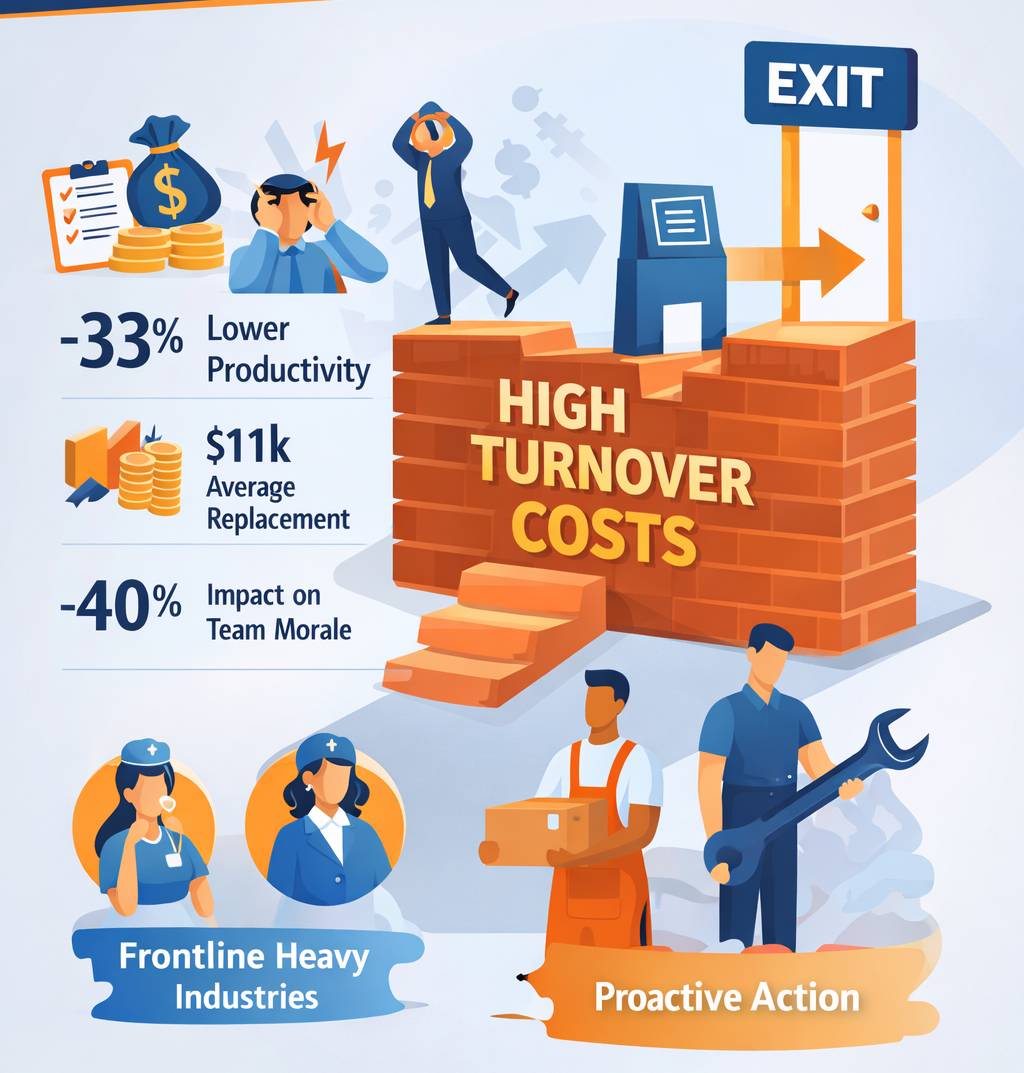
Frontline-heavy organizations are feeling the pressure from constant churn. Hiring is expensive, training takes time, and losing experienced employees impacts customer experience and team morale. Waiting until an exit interview to understand why someone left is already too late. What organizations need is a way to recognize resignation risk while there’s still time to intervene.
The reality is that employees often disengage emotionally before they disengage operationally. They still show up, but something shifts. Energy drops. Routines change. Subtle inconsistencies start to appear. When those signs go unnoticed, turnover becomes reactive instead of preventable.
From Time Clock to Turnover Predictor: What Makes hrPad Different
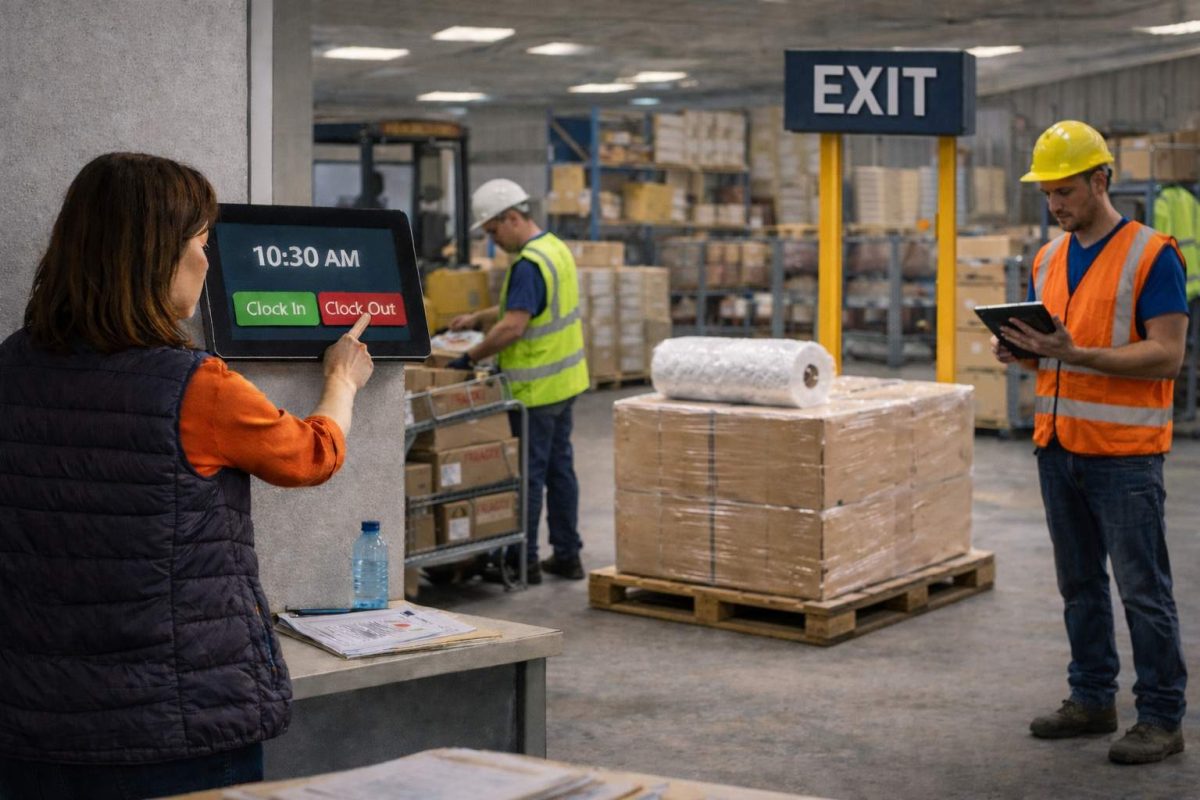
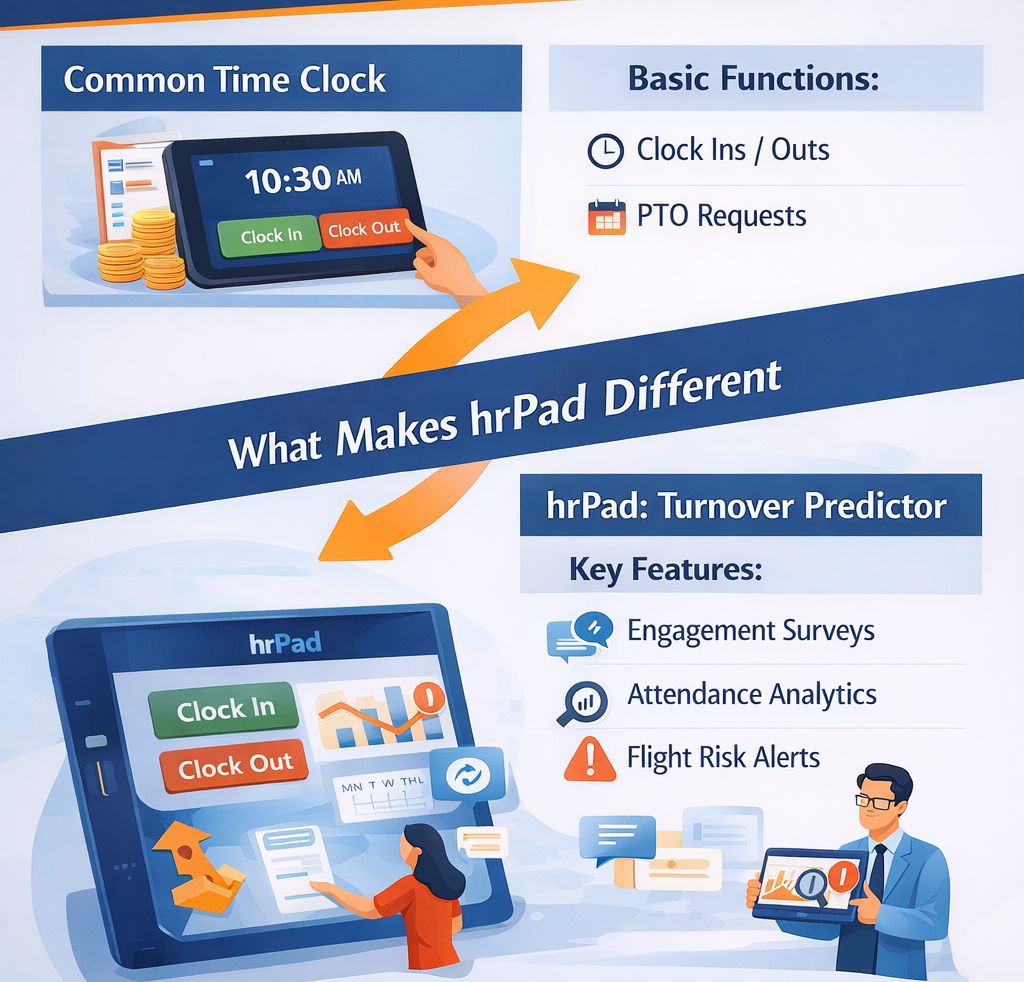
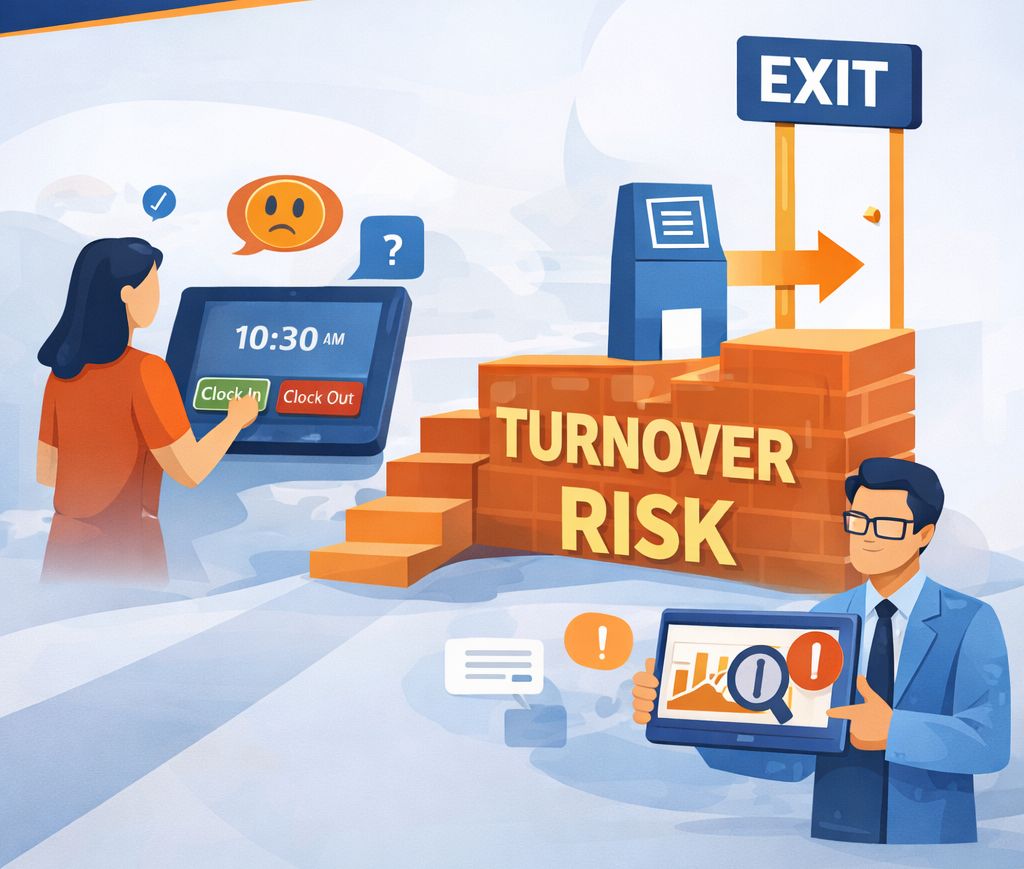
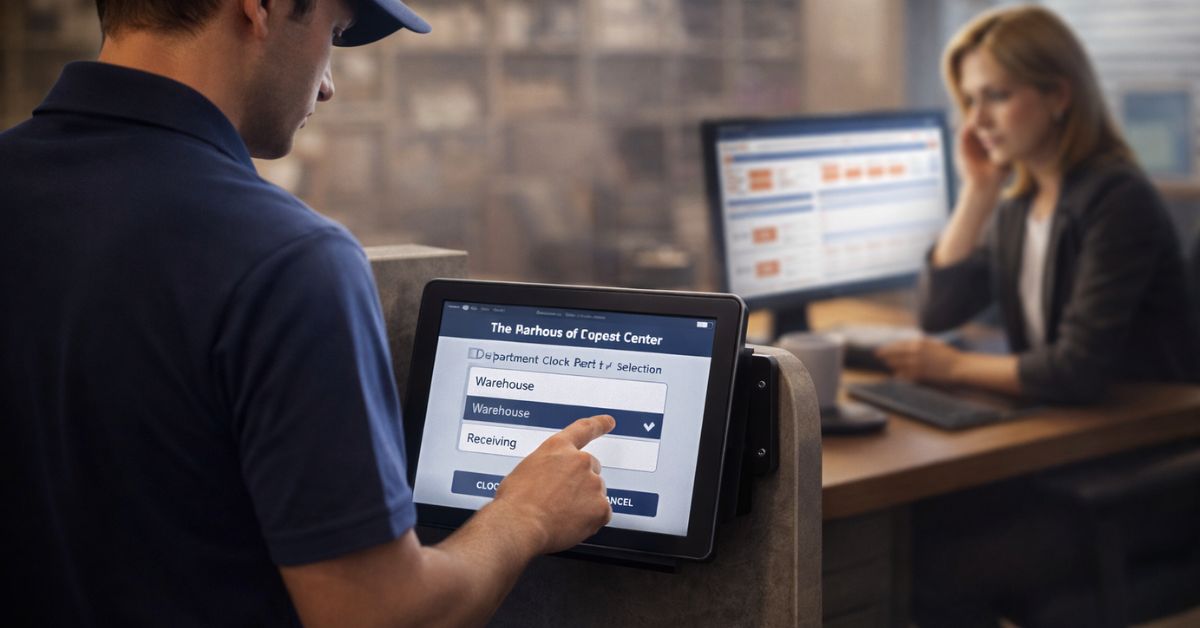
On the surface, hrPad looks like a modern, tablet-based time clock. Employees clock in, clock out, request PTO, and view schedules. But beneath that simplicity is where the real value sits. hrPad captures attendance data alongside engagement signals, like responses to short check-in surveys that appear naturally during clock-out.
Because employees interact with hrPad daily, it creates a continuous feedback loop. Over time, the system reveals patterns. Someone who used to clock in early is suddenly late more often. A previously engaged employee stops responding to quick satisfaction questions. PTO usage becomes more frequent or more erratic. None of these alone confirm resignation risk, but together they tell a story.
Behavioral Patterns That Signal Flight Risk
Most resignations don’t start with job applications. They start with disengagement. Attendance inconsistency is often one of the earliest visible indicators. Missed punches, late arrivals, or unexplained absences tend to increase as motivation declines. When that attendance data is paired with sentiment feedback, the picture becomes much clearer.
Dr. Renee Carter, an organizational psychologist who advises enterprise HR teams, explains it simply here
Free Case Study
Bergey’s Auto Dealership Automated Time Tracking, PTO, and Payroll Compliance with CloudApper hrPad
“When attendance patterns and engagement feedback shift at the same time, that’s rarely coincidence. Those data points together are some of the strongest predictors of voluntary turnover I’ve seen.”
hrPad doesn’t replace human judgment, but it gives HR and managers a reliable early signal that something has changed. That signal can trigger a conversation instead of a resignation.
Expert Insights: The Value of Predictive HR Technology
For years, HR analytics focused on what already happened. Headcount reports, attrition dashboards, and post-exit surveys all look backward. Predictive tools like hrPad flip that model by focusing on what’s likely to happen next.
James O’Neill, an HR technology strategist with over 15 years in workforce systems, puts it this way
“Most organizations drown in data but starve for insight. The power of tools like hrPad is that they connect behavior to outcomes. That’s when data becomes actionable instead of overwhelming.”
One of the reasons hrPad works so well is that it’s not intrusive. Employees aren’t filling out long surveys or sitting through awkward check-ins. Engagement questions are brief, contextual, and built into workflows they already use. That makes feedback more honest and more frequent.
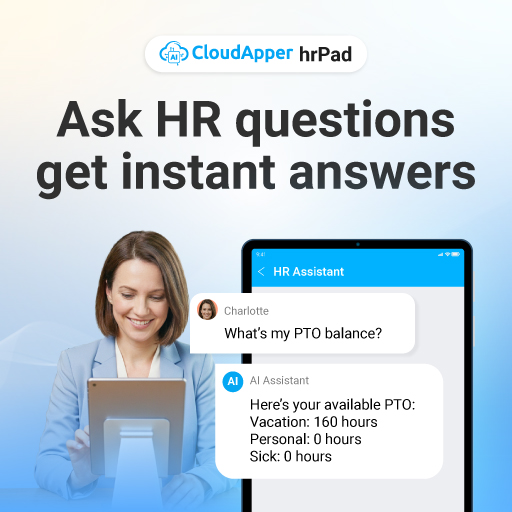
At the same time, employees benefit from transparency and self-service. Easy access to schedules, accrual balances, and HR policy answers reduces frustration. When employees feel informed and supported, disengagement slows down. When they don’t, hrPad helps surface that reality quickly.
From Reactive to Proactive: Changing the Turnover Narrative
Instead of scrambling after a resignation, organizations using hrPad can act earlier. A manager can check in. HR can offer support. Workloads can be adjusted. Sometimes retention happens simply because someone noticed and cared at the right moment.
Not every resignation can or should be prevented, but many can be softened, delayed, or avoided altogether when the warning signs are visible.
Free Whitepaper
hrPad - HR Tablet for Empowering Frontline Workers
The Bottom Line: Retention Begins with Recognition
Employee turnover doesn’t start with a goodbye email. It starts with small behavioral changes that are easy to miss without the right tools. CloudApper hrPad brings those changes into focus by connecting engagement and attendance data in real time.
When organizations stop treating turnover as a surprise and start recognizing it as a pattern, they move from reacting to resignations to preventing them. And in today’s workforce landscape, that shift makes all the difference.
FAQ
What are early resignation warning signs? Early resignation warning signs include disengagement, increased absenteeism, missed punches, reduced responsiveness, and declining participation in daily workflows.
How does hrPad help predict employee turnover? CloudApper hrPad analyzes attendance patterns and employee engagement signals collected during everyday interactions, helping HR teams spot turnover risk early.
Can attendance data really predict disengagement? Yes. Changes in attendance behavior—such as frequent lateness or missed punches—often appear before employees mentally disengage or resign.
Is hrPad only a time clock? No. hrPad goes beyond time tracking by capturing engagement insights, enabling self-service, and providing predictive workforce intelligence.
Who benefits most from early turnover detection? Organizations with frontline or hourly workers benefit the most, especially in retail, hospitality, healthcare, and manufacturing.
Conclusion
Turnover is no longer a mystery when the right data is being captured and interpreted. With CloudApper hrPad, companies can move from guessing why employees leave to actively understanding who might be at risk—and most importantly, why. By combining attendance behavior and engagement insights into a single platform used daily by frontline teams, hrPad equips HR and managers with the foresight to act before a resignation ever hits their inbox. It’s not about preventing every departure it’s about being prepared, informed, and in control of your workforce’s future.
Executive Director of Workforce Systems | B2B SaaS Across Enterprise & Public Sector | MBA in MIS
Meet Sebastian Tucker, the Executive Director of Workforce Systems at CloudApper AI. With an MBA in Management Information Systems and a strong background in B2B SaaS, Sebastian leads the charge in transforming workforce operations through AI-driven HR compliance and self-service solutions for enterprise and public sector organizations.
What is CloudApper AI Platform?
CloudApper AI is an advanced platform that enables organizations to integrate AI into their existing enterprise systems effortlessly, without the need for technical expertise, costly development, or upgrading the underlying infrastructure. By transforming legacy systems into AI-capable solutions, CloudApper allows companies to harness the power of Generative AI quickly and efficiently. This approach has been successfully implemented with leading systems like UKG, Workday, Oracle, Paradox, Amazon AWS Bedrock and can be applied across various industries, helping businesses enhance productivity, automate processes, and gain deeper insights without the usual complexities. With CloudApper AI, you can start experiencing the transformative benefits of AI today. Learn More
Brochure
CloudApper hrPad Empower Frontline Employees with an AI-Powered Tablet/iPad Solution
We use cookies to understand how you use our site and to improve your experience. By continuing to use our site, you accept our use of cookies as described in our revised Privacy Policy.
This website uses cookies to improve your experience while you navigate through the website. Out of these, the cookies that are categorized as necessary are stored on your browser as they are essential for the working of basic functionalities of the website. We also use third-party cookies that help us analyze and understand how you use this website. These cookies will be stored in your browser only with your consent. You also have the option to opt-out of these cookies. But opting out of some of these cookies may affect your browsing experience.
Necessary cookies are absolutely essential for the website to function properly. This category only includes cookies that ensures basic functionalities and security features of the website. These cookies do not store any personal information.
Any cookies that may not be particularly necessary for the website to function and is used specifically to collect user personal data via analytics, ads, other embedded contents are termed as non-necessary cookies. It is mandatory to procure user consent prior to running these cookies on your website.