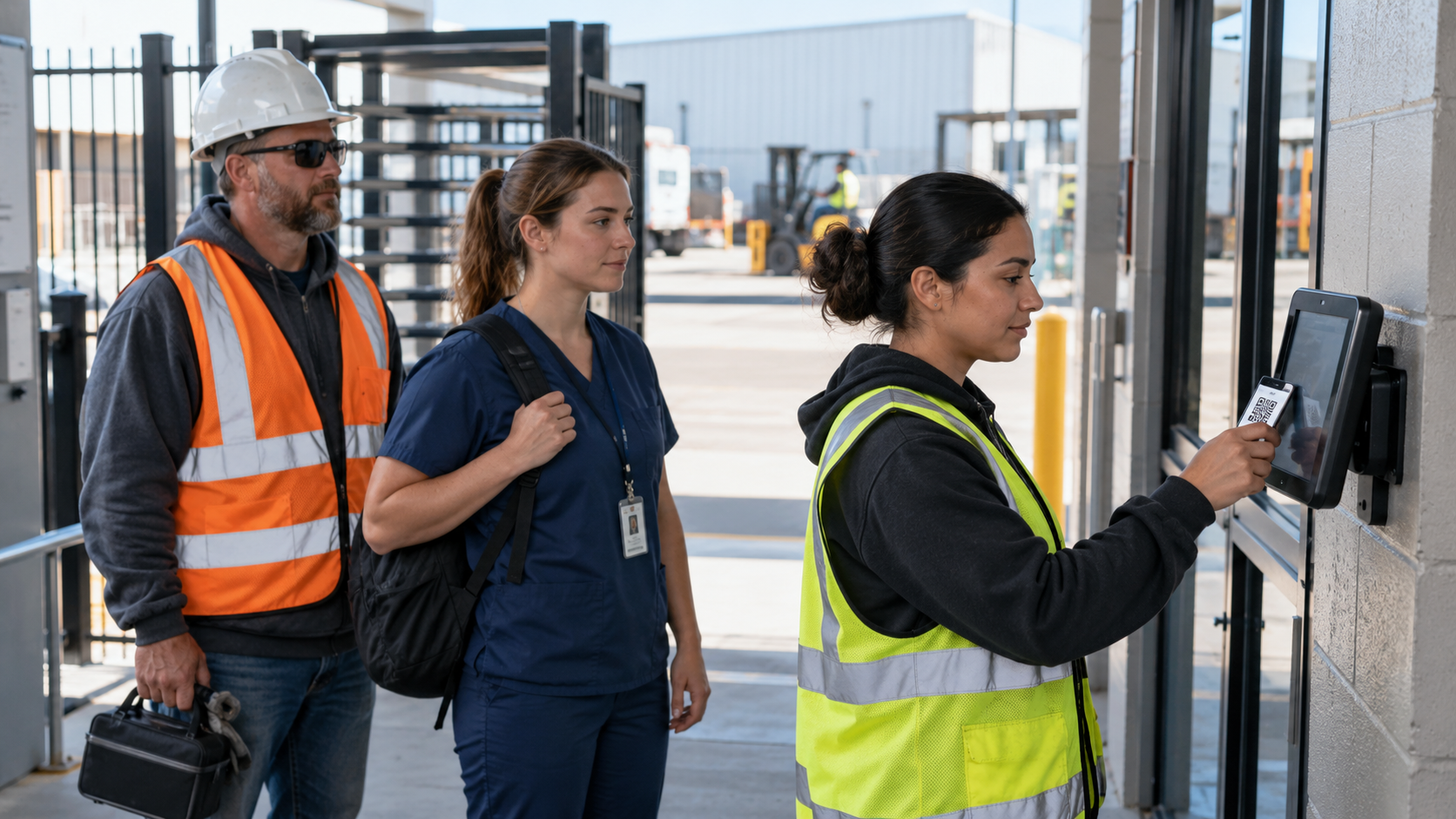
Required office time rose 12% but actual attendance barely moved. Most employers still rely on badge swipes that prove entry, not presence. Here's what creates legal risk and what actually works for return to office attendance tracking in 2027.
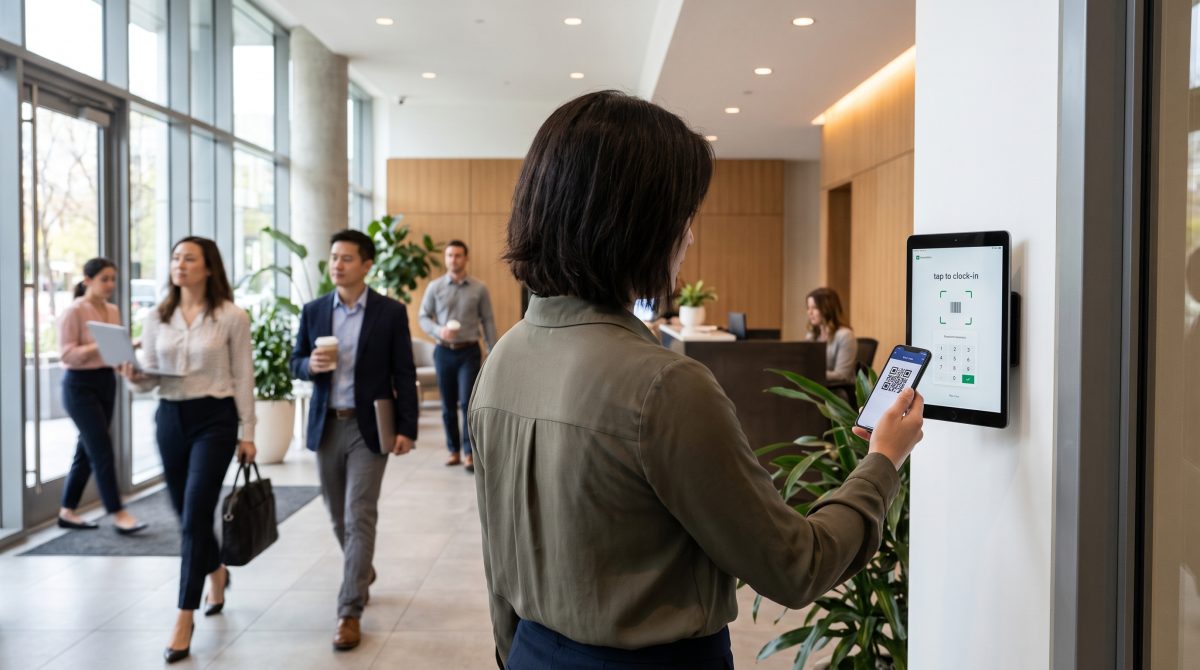
Table of Contents
- How companies track RTO attendance today
- The legal exposure most employers underestimate
- What works
- Where CloudApper fits
About 30% of companies now require employees in the office five days a week. Required in-office time rose 12% between early 2024 and late 2025. Actual attendance? It moved 1 to 3%.

That gap should worry every HR leader reading this. Employers keep tightening the policy while employees keep not fully complying. Badge data confirms it: office attendance still sits roughly 30% below pre-pandemic levels, according to Kastle Systems’ Back to Work Barometer. Writing the mandate is easy. Measuring it is the part most companies fumble.
This is where an employee self-service kiosk solution like hrPad changes the equation. Instead of cobbling together badge data from facilities and schedule data from the HCM, a single employee-facing kiosk ties attendance tracking directly to your HR system. But before we get into solutions, it helps to understand why most approaches fall short.
The problem usually isn’t the employees. It’s the inconsistency. One manager tracks badge swipes daily. The manager down the hall runs on the honor system. Badge data lives in one system, schedule data in another, and nobody has the full picture. When enforcement depends on who your boss is, you don’t have a policy. You have a suggestion.
How companies track RTO attendance today
The most common method is badge swipes, used by about 34% of businesses specifically for RTO monitoring, per Resume Builder’s 2024 RTO survey. The limitation: a badge tap at 8:47 AM says nothing about whether someone left at 9:15.
Wi-Fi and network logs do a better job confirming presence beyond the lobby. Manager check-ins are low tech and inconsistent. Location or device monitoring is the most controversial option (TikTok faced serious backlash when employees found out the company tracked their office presence through software).
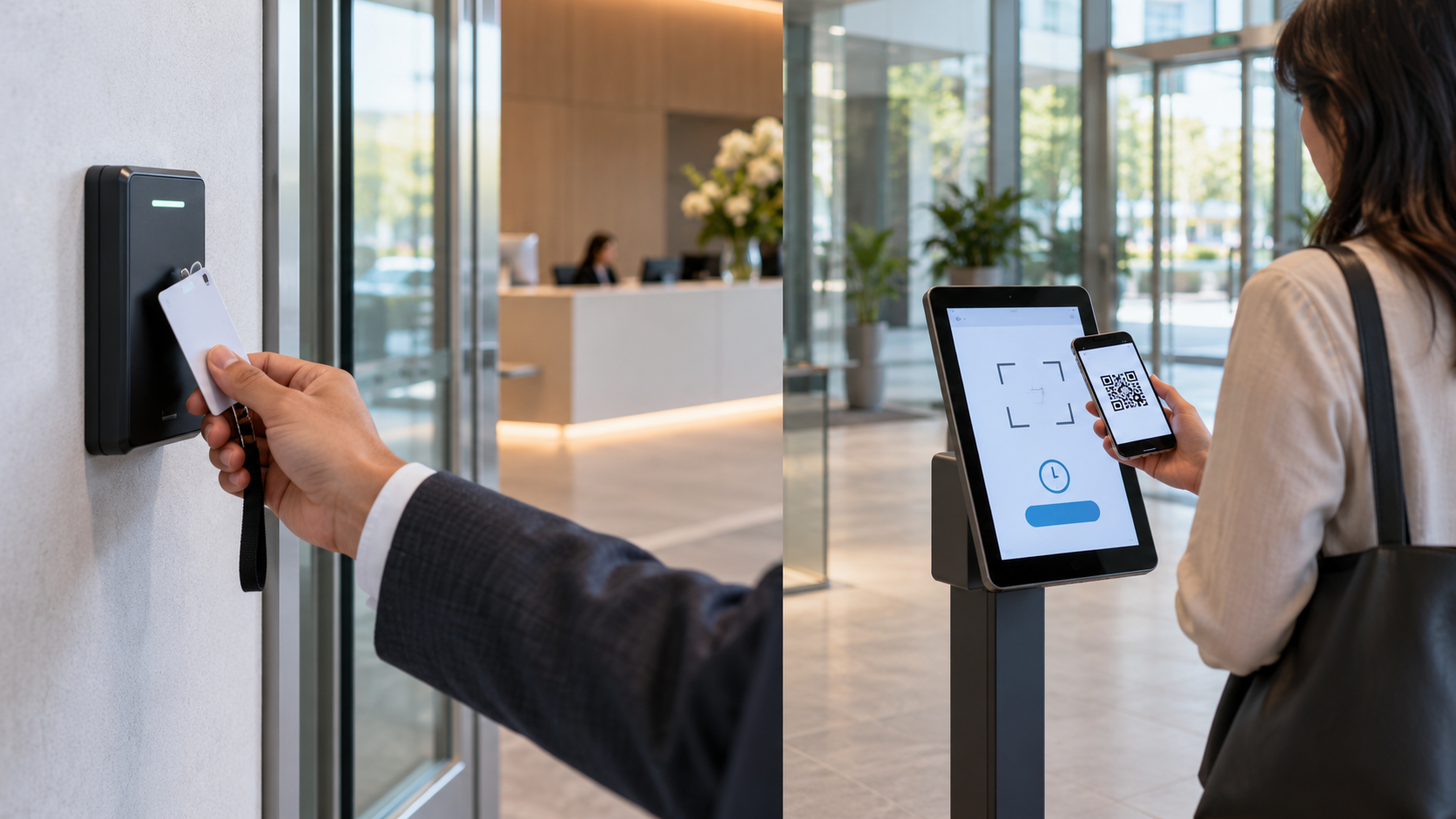
Purpose-built time clock and kiosk systems take a different approach. Employees clock in deliberately, creating an intentional, auditable record rather than passive surveillance data.
The legal exposure most employers underestimate
Biometric time clocks are a growing liability. Illinois’ BIPA alone has produced over $650 million in settlements, including a $228 million jury verdict against BNSF Railway. Around 20 states now regulate biometric data.
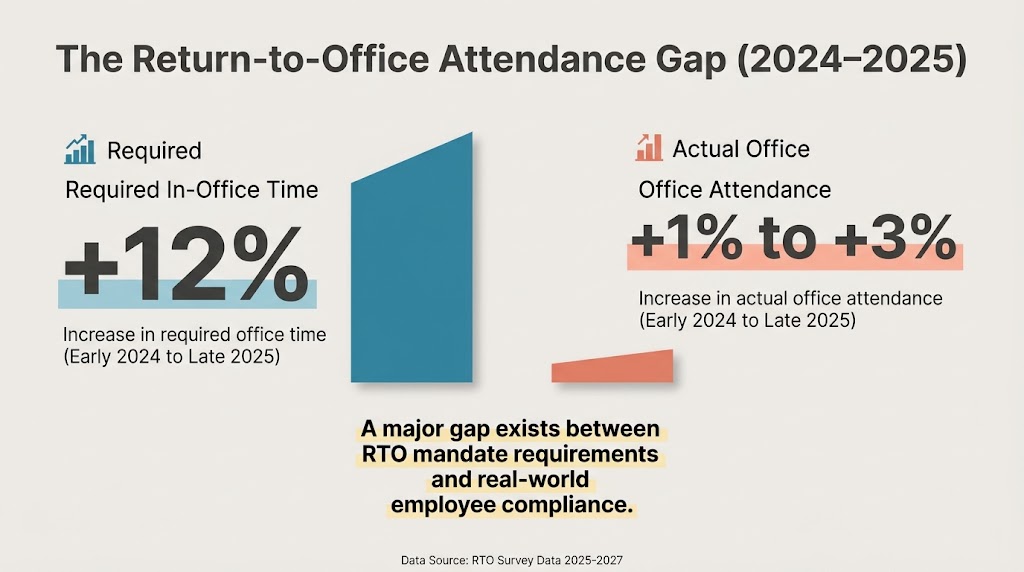
Wage and hour risk is just as serious. The DOL recovered $259 million for nearly 177,000 workers in fiscal year 2025. If your attendance data shows someone on-premises but payroll shows they weren’t paid, you’ve built the evidence against yourself. Inconsistent enforcement across teams is a discrimination claim waiting to happen.
What works
Skip biometrics unless you can handle the compliance burden. Use purpose-built time tracking rather than repurposing surveillance tools. Connect attendance data to your HCM so nothing falls through the cracks. Give employees access to their own records. Apply the policy the same way for everyone.
That last point matters more than people realize. Hybrid workers report 78% job satisfaction compared to 62% for fully on-site employees, and companies with flexible arrangements see about 25% lower turnover. How you track attendance shapes whether people stick around.
Where CloudApper fits
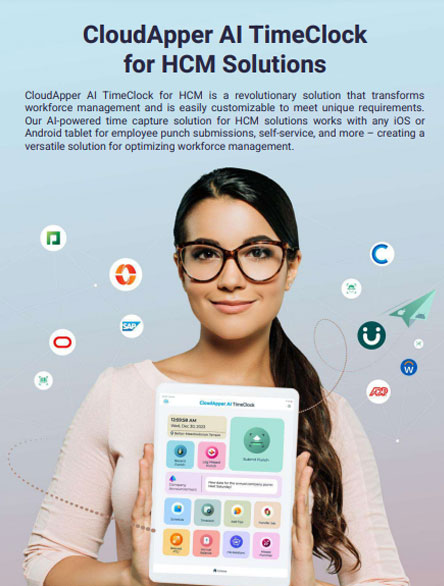
hrPad by CloudApper AI turns a standard Android tablet or iPad into a shared HR service delivery kiosk. Employees verify with QR codes, NFC badges, or PIN. No biometric data to regulate. It connects directly to UKG, Workday, Oracle HCM, Ceridian Dayforce, SAP, and Infor. Built-in employee self-service means workers can check their own attendance, view schedules, and submit time-off requests from the same kiosk. You can set rules around your specific RTO policy, and every punch creates an audit-ready record.
FAQ
Is it legal to track attendance for RTO compliance?
Yes, but the method matters. Biometrics trigger BIPA and similar state laws. Non-exempt attendance data has to match payroll records, or you’re creating liability.
What’s the best way to track without invading privacy?
A purpose-built time clock with non-biometric verification. Clear records, no sensitive personal data.
What are the risks of biometric time clocks?
BIPA settlements alone have exceeded $650 million. Around 20 states regulate biometric data collection, and enforcement keeps increasing.
See how hrPad by CloudApper handles return to office attendance tracking.

What is CloudApper AI Platform?
CloudApper AI is an advanced platform that enables organizations to integrate AI into their existing enterprise systems effortlessly, without the need for technical expertise, costly development, or upgrading the underlying infrastructure. By transforming legacy systems into AI-capable solutions, CloudApper allows companies to harness the power of Generative AI quickly and efficiently. This approach has been successfully implemented with leading systems like UKG, Workday, Oracle, Paradox, Amazon AWS Bedrock and can be applied across various industries, helping businesses enhance productivity, automate processes, and gain deeper insights without the usual complexities. With CloudApper AI, you can start experiencing the transformative benefits of AI today. Learn More
- Useful Links:
- Agentic AI
- No-Code/Low-Code
- Custom Software
- HCM Personalization
- iPaaS
- FedRAMP
Brochure
CloudApper AI TimeClock
For accurate & touchless time capture experience.
Download Brochure
CloudApper AI Solutions for HR


- Works with








- and more.
Similar Posts
New Hire Orientation Pay: Recording Orientation Hours in Training Rooms…

Time Clocks for Food Processing Plants: Sanitation Shifts, Line Changes…