Completing a legacy application replacement does not retire the old system. The compliance evidence trap blocks decommissioning when legal, audit, or records functions convert the replaced application into a records system. This article explains why Records and Information Management must own the retirement gate, and how governed AI-built replacements prevent the same trap from resetting.
TL;DR
Replacing a legacy application does not retire it. The compliance evidence trap occurs when audit, legal, or records functions convert the old system into the authoritative source for evidence that cannot legally be destroyed. Records and Information Management must be a named gate in any decommissioning plan. AI-built replacements reproduce this problem within 18 months unless records policy is embedded at build time. CloudApper AI addresses this structurally through governed deployment and data classification at the platform level.
Table of Contents
The retirement notice came back two words: “Not approved.”

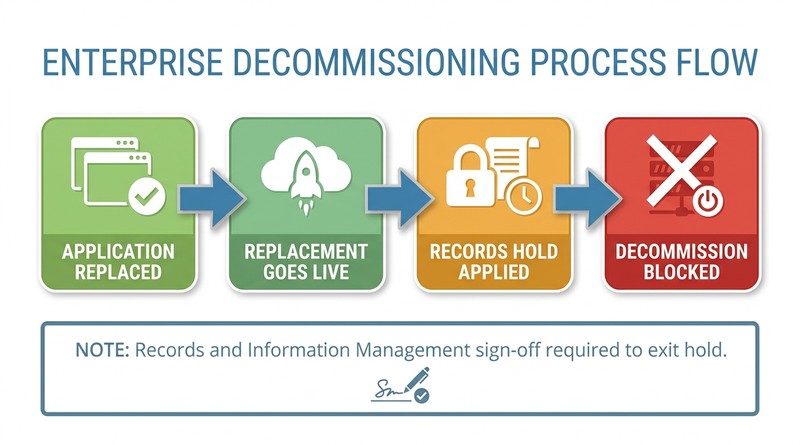
Not from finance. Not from the business unit sponsor. From Records and Information Management, a function most IT directors cannot name without pulling up the org chart. The replacement application had been live for eleven months. The legacy system had been in maintenance-only mode for six. The migration was complete. And still: not approved.
This is the compliance evidence trap, and it is the primary reason legacy application decommissioning fails at enterprises that have already completed modernization work. The technical problem is solved. The organizational problem was never scoped.
Enterprise leaders are using CloudApper AI to replace internal applications faster than any legacy procurement cycle would have allowed. A director of operations describes what a workflow needs to do. The AI builds a working application. It is in production within days. But the speed of replacement is not the same as completion of retirement. The clock on the old system does not stop when the new one goes live.
How Compliance Converts a Replaced Application Into a Records System
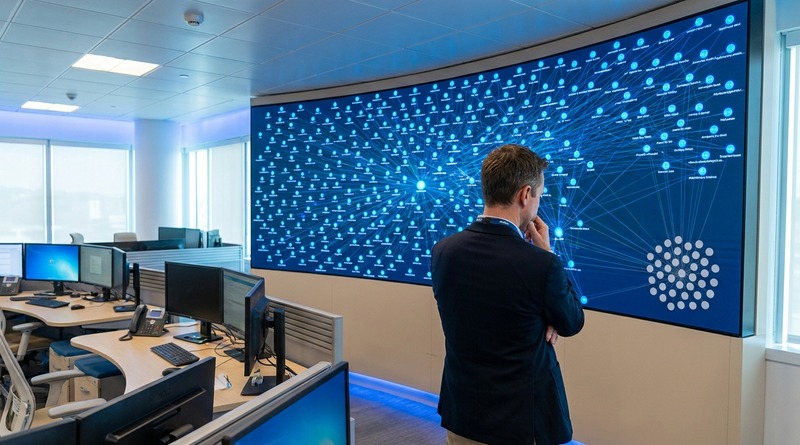
The mechanics become clear once you trace the failure mode. At some point after a replacement goes live, but rarely before, the legacy application becomes the authoritative source for a specific class of compliance evidence. It holds the approval chains, the transaction logs, the version history, or the access records that an auditor, a regulator, or legal counsel will request. Not because the system was designed as a records system. Because it happened to be the system running when that evidence was created.
Internal audit flags the shutdown request. Legal places a litigation hold. Compliance adds the application to its evidence inventory. The exit ramp closes.
Most enterprises that have mapped their application dependencies with any rigor already know that the declared integration count and the actual count do not match. The same problem applies to data obligations: an application your configuration management database marks as retired may still be the canonical source of record for a quarterly compliance control. That discrepancy does not surface in the CMDB. It surfaces in the discovery phase of an external audit, when it is already too late to manage cleanly.
When compliance exceptions accumulate on legacy systems, each deferred item is a reason Records cannot close the retention clock on that application’s data. The application cannot be retired until exceptions are resolved. The exceptions cannot be resolved because nobody owns the remediation. The system runs indefinitely.
The Stakeholder Nobody Invited to the Retirement Meeting
Records and Information Management, or the corporate archivist at enterprises that have one, is the only organizational function authorized to declare that data destruction is compliant with retention schedules, litigation hold releases, and applicable regulatory obligations. Without that sign-off, destroying the application’s data is a legal exposure. With it, decommissioning can proceed on a schedule.
RIM is almost never included in application retirement planning. Application lifecycle decisions sit with IT, business owners, and sometimes procurement. Records management is consulted for document retention policies, not for application retirement gates. The result: the retirement request reaches a point in the approval chain where legal or compliance recognizes that the application data is still within a hold period, and issues a veto that nobody knew was coming.
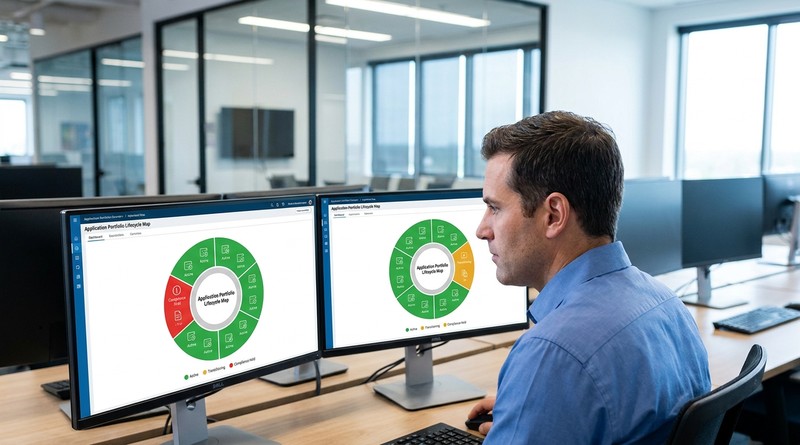
Before any enterprise can retire a legacy application, it needs an accurate picture of what that application holds. Not just which systems connect to it, but which compliance obligations attach to its data. Most application inventories were not built with that question in mind. They document interfaces and owners. They do not document records schedules or hold status.
Why AI-Built Replacements Reproduce the Problem
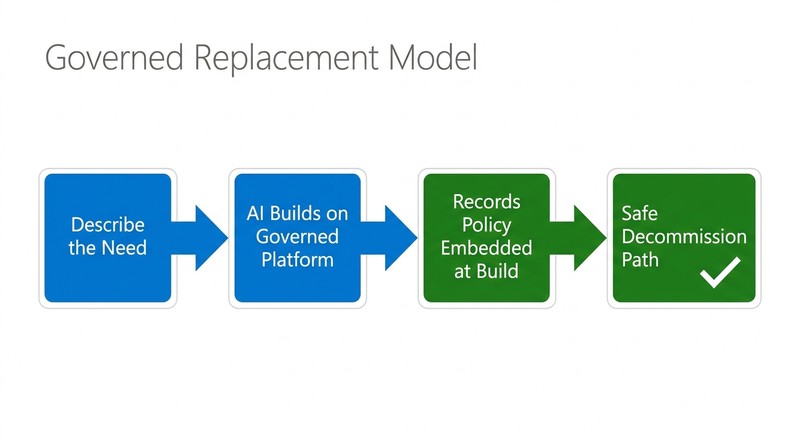
New AI-built applications generate their own data estates. If records management policy is not embedded in the replacement from the moment it goes live, the same trap resets within 18 months. A new system becomes the authoritative source for a new class of compliance evidence. When that system eventually needs replacement, the same decommissioning block will apply.
This is where CloudApper AI addresses the problem structurally. When an IT leader describes what a replacement application needs to do, CloudApper AI builds it on a governed platform that enforces data classification, access logging, and audit trail configuration from the first deployment. Governance debt in the migration layer does not accumulate because the platform handles it as a build-time requirement, not a post-production cleanup project. The replacement enters production already documented against the compliance obligations the legacy system carried.
If your legacy application decommissioning plan does not include a Records and Information Management sign-off as a named gate, the plan is missing its critical path. The replacement will go live. The legacy system will remain. And the FTE cost of maintaining a system the business considers retired will persist in your budget, attributed to compliance requirements no one can precisely define, for a duration no one will estimate in writing.
The scope of compliance-driven application obligations expands with each audit cycle. A modernization effort that skips governance does not eliminate that scope. It defers it until the next program.
IT leaders in manufacturing, financial services, healthcare, and logistics are using CloudApper AI to build replacement applications that carry governance and records policy from day one, closing the evidence trap before it opens. If your application retirement process is stalling at compliance review, start the conversation with the CloudApper AI team. Contact CloudApper AI.

What is CloudApper AI Platform?
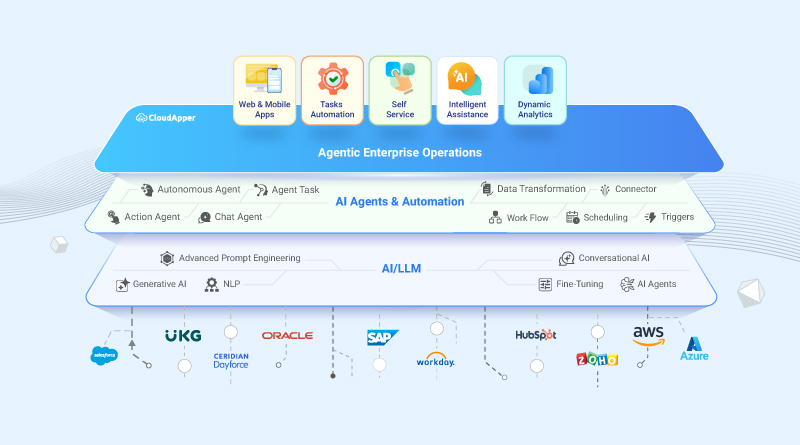
CloudApper AI is an advanced platform that enables organizations to integrate AI into their existing enterprise systems effortlessly, without the need for technical expertise, costly development, or upgrading the underlying infrastructure. By transforming legacy systems into AI-capable solutions, CloudApper allows companies to harness the power of Generative AI quickly and efficiently. This approach has been successfully implemented with leading systems like UKG, Workday, Oracle, Paradox, Amazon AWS Bedrock and can be applied across various industries, helping businesses enhance productivity, automate processes, and gain deeper insights without the usual complexities. With CloudApper AI, you can start experiencing the transformative benefits of AI today. Learn More
- Useful Links:
- Agentic AI
- No-Code/Low-Code
- Custom Software
- HCM Personalization
- iPaaS
- FedRAMP
CloudApper AI Solutions
- Works with







- and more.
Similar Posts

ISO 27001:2022 Application Security Controls: What Enterprise IT Actually Owes…

GDPR Article 22 and Internally Built Enterprise Applications: The Automated…