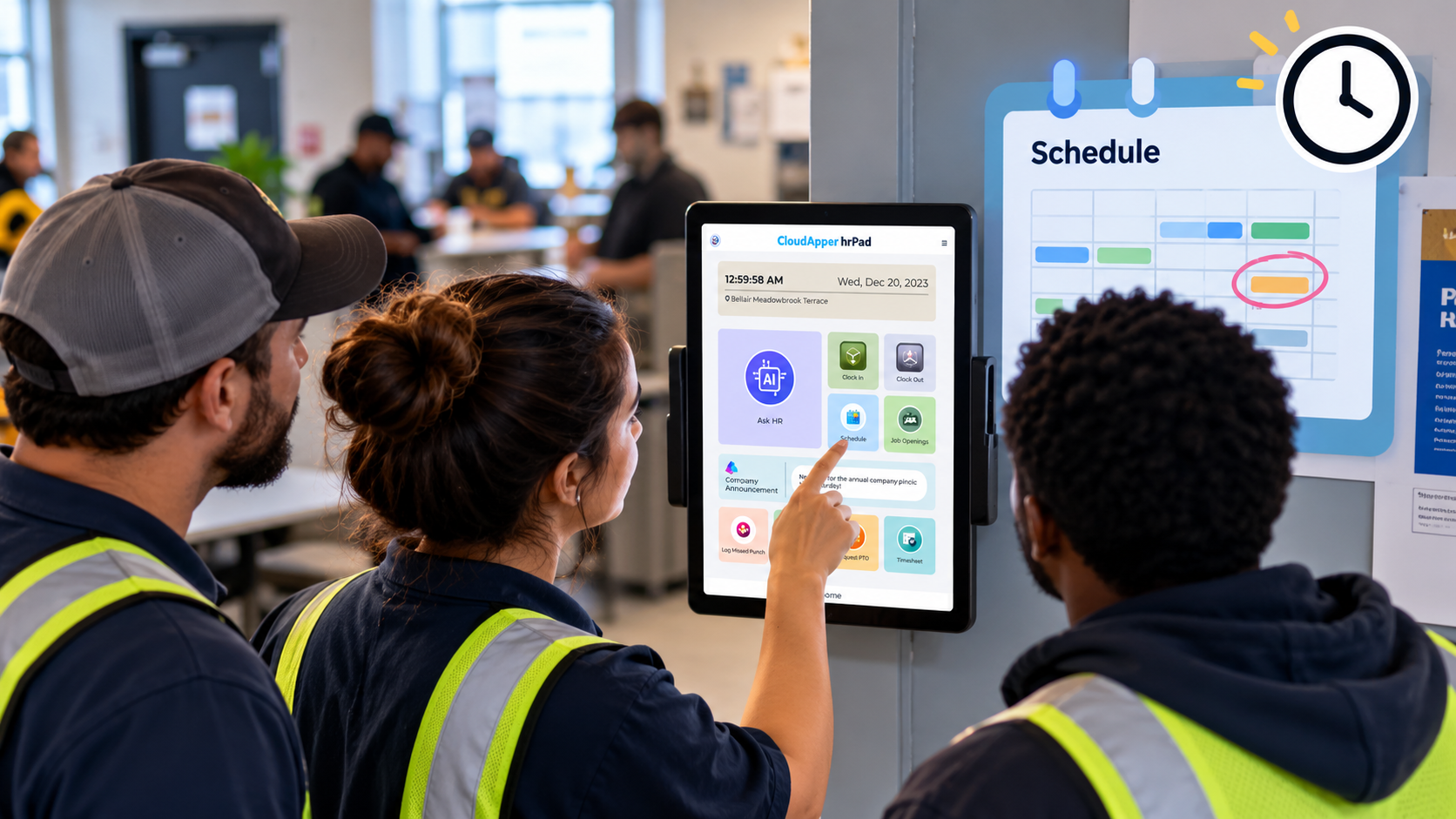
Fair workweek enforcement is ramping up fast. Starbucks just settled for $38.9M, Chipotle paid $20M, and total NYC enforcement has crossed $80M. The cost of scheduling violations is climbing, and most employers are not ready.
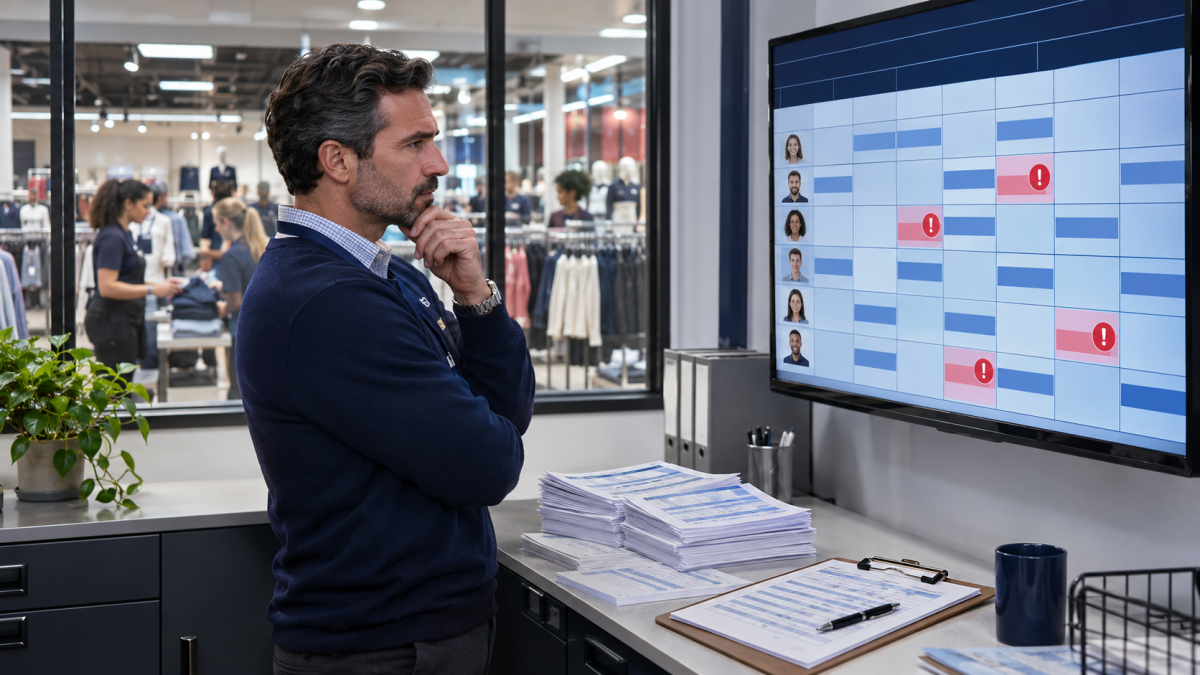
Table of Contents
Starbucks just paid $38.9 million to settle fair workweek violations in New York City. Over 15,000 workers. More than 300 locations. Half a million scheduling violations since 2021.

They are not alone. Chipotle paid $20 million in 2022 for similar violations affecting 13,000 workers. A Burger King franchisee settled for over $2.5 million in 2024, plus another $230,000 in civil penalties. Total enforcement in New York City alone has crossed $80 million, and that number is still going up.
| Company | Settlement | Workers Affected | Year |
|---|---|---|---|
| Starbucks | $38.9 million | 15,000+ | 2025 |
| Chipotle | $20 million | 13,000 | 2022 |
| Burger King (franchisee) | $2.73 million | Not disclosed | 2024 |
| Total NYC enforcement: $80M+ | |||
Most of these violations come down to the same operational gap: scheduling practices that do not match what the law requires. An employee self-service kiosk solution like hrPad by CloudApper AI can close that gap, but it helps to understand what is driving these penalties first.
11 jurisdictions and counting
Fair workweek laws now exist in 11 jurisdictions across the United States, including Oregon (statewide since 2018), San Francisco, New York City, Seattle, Philadelphia, Chicago, Los Angeles, and Berkeley. Los Angeles County’s law, the newest, took effect in July 2025.
The core requirements overlap. Employers must post schedules 14 days in advance (72 hours for NYC retail). Last-minute changes trigger premium pay, usually one to four hours of extra wages per affected shift. Most laws also require offering existing workers additional hours before hiring new staff.
That last requirement is where Starbucks got caught. According to the NYC Department of Consumer and Worker Protection, Starbucks cut workers’ hours by more than 15% while bringing on new employees at the same time.
Enforcement agencies are better staffed than five years ago, workers know about these laws, and every big settlement drives more complaints. After the Starbucks story broke in December 2025, food service and retail employers should expect more scrutiny.
Why the penalties compound so fast
A single scheduling violation in NYC can carry a $500 civil penalty per worker per occurrence. An employer with 200 workers across five locations who routinely posts schedules late is not looking at one violation. That is potentially hundreds per pay period, each with its own penalty.
Penalty Math
200 workers x 26 pay periods x $500 per violation = $2.6 million per year
from just one type of scheduling violation at a single mid-sized employer
The Starbucks numbers make this concrete. The $38.9 million broke down to roughly $50 per week worked per affected employee over a three-year restitution period. Restitution was $35.5 million. Civil penalties and costs added $3.4 million. A mid-sized employer with 500 to 1,000 hourly workers can pile up six or seven figures from modest scheduling inconsistencies in a single year.
Multi-location employers face the most exposure.
| Risk Factor | Why It Triggers Violations |
|---|---|
| Schedules posted less than 14 days out | Triggers premium pay for every affected worker on every late-posted shift |
| Shift swaps without documentation | No paper trail means no defense during an audit or complaint |
| Hiring new staff while existing workers want more hours | Violates “right to work” provisions in most fair workweek laws |
| On-call scheduling without premiums | Workers owed predictability pay for schedule uncertainty |
The legislative picture is mixed. Texas, Florida, and Georgia have passed preemption statutes that block local predictive scheduling requirements. But Connecticut has had a predictive scheduling bill under consideration, and cities like Boston and Hartford have explored their own proposals. What is perfectly legal in Texas may be a violation in Chicago.
What compliance actually takes
Fair workweek compliance is not a one-time policy update. Every scheduling cycle, managers need to post schedules 14 days out, document every change with the reason and any premium pay recorded, and offer open hours to current workers before posting them externally.
That is a heavy ask for a store manager who is already juggling staffing shortages and daily operations. Steps get missed. In a fast-paced operation, they always do. The violations pile up quietly until an audit or a complaint pulls them into the open.
hrPad by CloudApper AI handles the documentation side by giving frontline employees direct access to their schedules through a self-service kiosk. Workers can check upcoming schedules, pick up open shifts, and acknowledge changes on the spot. The paper trail gets built automatically instead of depending on a manager writing things down after the fact. CloudApper’s shift management tools plug into major HCM platforms so schedule changes stay tracked without extra manual work.
The violation window runs two to three years. An employer can rack up seven figures in liability before anyone raises a flag. A self-service kiosk costs a few thousand dollars. One year of untracked violations can cost a hundred times that.
Frequently asked questions
What is a fair workweek law?
A fair workweek law, also called a predictive scheduling law, requires employers in covered industries to give employees their work schedules in advance, typically 14 days before the schedule starts. If the employer changes the schedule after posting it, they generally owe the affected employee premium pay, sometimes called predictability pay. These laws also usually require employers to offer existing workers extra hours before hiring new staff.
Which states have predictive scheduling laws?
As of 2026, Oregon is the only state with a statewide predictive scheduling law. Cities including San Francisco, New York City, Seattle, Philadelphia, Chicago, Emeryville, Evanston, Los Angeles, Berkeley, and Los Angeles County have their own fair workweek ordinances. Texas, Florida, and Georgia have passed preemption laws that block local governments from creating these requirements.
How much can fair workweek violations cost an employer?
In New York City, penalties can reach $500 per worker per violation. Because each scheduling error for each affected employee counts separately, the total adds up fast. Starbucks settled for $38.9 million, Chipotle for $20 million, and a Burger King franchisee for over $2.5 million. For mid-sized employers, even minor noncompliance can reach six or seven figures.
Scheduling violations should not be a seven-figure line item. See how hrPad by CloudApper AI helps employers stay ahead of fair workweek requirements, from automated schedule documentation to shift management that actually tracks every change. Book a demo

What is CloudApper AI Platform?
CloudApper AI is an advanced platform that enables organizations to integrate AI into their existing enterprise systems effortlessly, without the need for technical expertise, costly development, or upgrading the underlying infrastructure. By transforming legacy systems into AI-capable solutions, CloudApper allows companies to harness the power of Generative AI quickly and efficiently. This approach has been successfully implemented with leading systems like UKG, Workday, Oracle, Paradox, Amazon AWS Bedrock and can be applied across various industries, helping businesses enhance productivity, automate processes, and gain deeper insights without the usual complexities. With CloudApper AI, you can start experiencing the transformative benefits of AI today. Learn More
- Useful Links:
- Agentic AI
- No-Code/Low-Code
- Custom Software
- HCM Personalization
- iPaaS
- FedRAMP

Brochure
CloudApper hrPad
Empower Frontline Employees with an AI-Powered Tablet/iPad Solution
Download Brochure
CloudApper AI Solutions for HR


- Works with








- and more.
Similar Posts

Why Automatic Meal Break Deductions Keep Costing Employers Millions
How to Use Time Clock Photo Capture for Employee Dress…