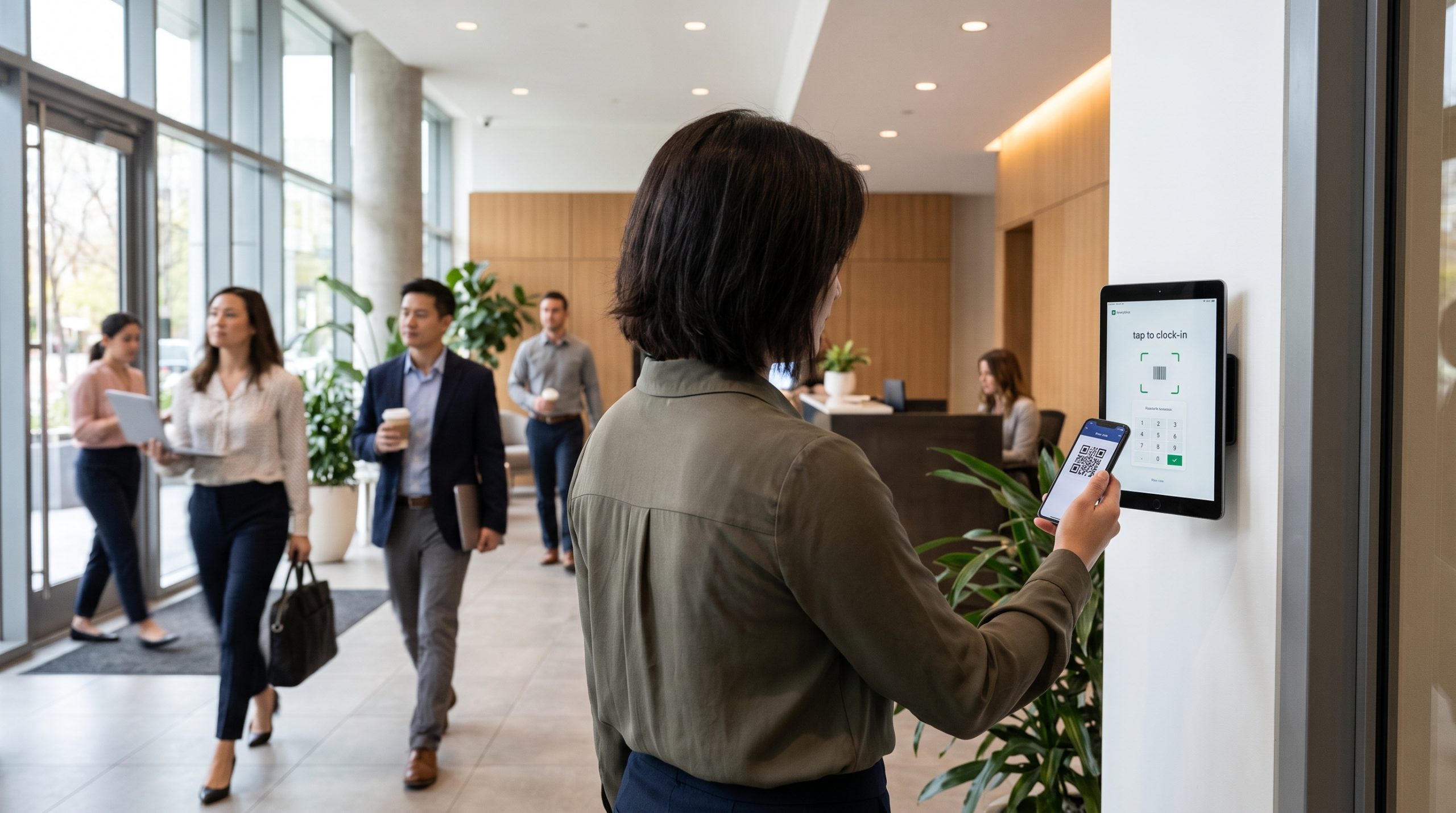
Automatic meal break deductions are one of the most common (and expensive) FLSA violations in payroll. Hospitals, nursing homes, and manufacturers have paid settlements from $1.5 million to $98 million because their timekeeping systems deducted lunch breaks employees never actually took.
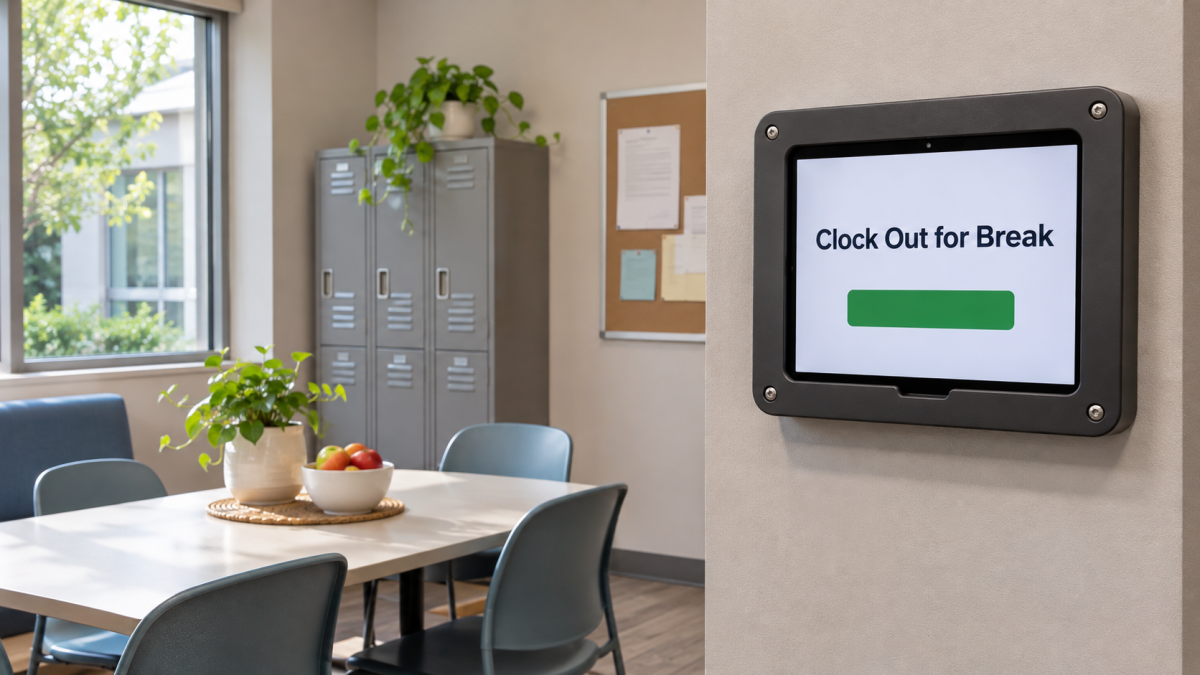
Table of Contents
- What automatic meal break deduction actually is
- What employers owe when auto-deductions go wrong
- Why healthcare keeps getting hit
- What the FLSA actually requires
A hospital in Washington state paid $98 million because its time clocks automatically deducted 30-minute lunch breaks that nurses never got to take. Stanford Health Care paid $10 million for the same thing. A nursing home in New York is settling for $2.4 million over auto-deducted lunches that hourly staff worked straight through.
These are not edge cases. They are what happens when a payroll system assumes every employee took a full lunch break every single day, and nobody checks whether that’s actually true.

The U.S. Department of Labor recovered nearly $260 million in back wages in 2025, covering more than 175,000 workers. Overtime violations accounted for nearly 80% of all FLSA back-wage cases. Automatic meal break deductions feed straight into those numbers. Every missed lunch that gets deducted anyway is an unpaid half hour. When those half hours push someone past 40 in a week, the employer owes overtime they never calculated.
An employee self-service kiosk solution like hrPad replaces that assumption with an actual record. Workers punch in and out for breaks at a shared tablet, so the timesheet reflects what happened instead of what a policy hoped would happen.
What automatic meal break deduction actually is
Most payroll and timekeeping systems offer an auto-deduction setting. It subtracts a fixed amount, usually 30 minutes, from each shift on the assumption the employee took a meal break during that window. The employee never clocks out for lunch. The system just removes the time.
For desk jobs with predictable schedules, this sometimes works fine. Nobody interrupts lunch in a corporate office because a patient fell or a machine jammed. But in industries where that assumption is wrong several times a week, it becomes a liability.
Under the FLSA, a bona fide meal period is not compensable, but only when the employee is “completely relieved from duty for the purpose of eating a regular meal” (29 CFR 785.19). If a nurse checks on a patient during lunch, or a warehouse worker moves a pallet while eating, the entire period becomes working time. The employer must pay for it.
Auto-deduction systems can’t tell the difference. They deduct the same 30 minutes whether someone ate in the break room or spent lunch updating patient charts at a nursing station.
What employers owe when auto-deductions go wrong
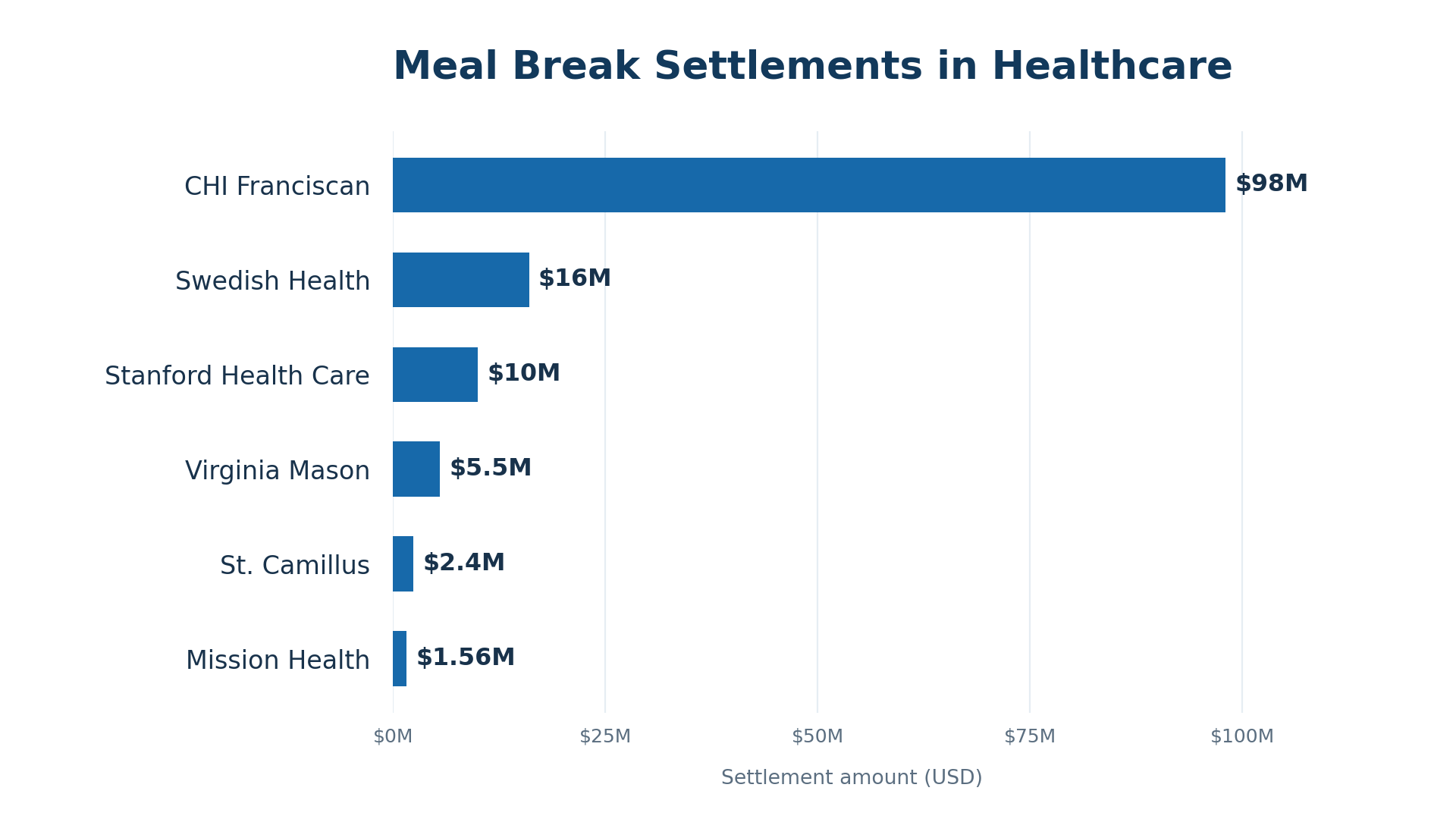
CHI Franciscan Health in Washington paid $98 million after a jury found that the hospital system’s time clock rounding and meal break policies violated Washington wage law. The case covered thousands of healthcare workers whose time records didn’t reflect actual hours worked.
Swedish Health in Seattle settled for $16 million. Nurses and other staff worked through meal breaks that were automatically deducted from their pay.
Stanford Health Care in California paid $10 million. Hourly nurses alleged they didn’t receive timely meal periods and the hospital failed to pay meal-period premiums at the correct rate. The class covered nurses from 2018 to 2024.
Virginia Mason Franciscan Health in Washington settled for $5.5 million over meal break and time-rounding practices affecting nursing staff. St. Camillus, a nursing home in New York, is paying $2.4 million for auto-deducting lunch periods from paychecks of LPNs, nursing assistants, and personal care aides who worked through those breaks (class period: 2016 to 2024). Mission Health / HCA Healthcare in North Carolina settled for $1.56 million covering roughly 16,100 employees.
North Sunflower Medical Center in Mississippi drew a DOL investigation that found nurses regularly worked through auto-deducted lunches to update patient records. The investigation also found hours from different departments weren’t combined properly, so overtime calculations were wrong.
Together, those cases total more than $133 million from healthcare alone.
Why healthcare keeps getting hit
Nearly every major meal break case involves a hospital, nursing home, or health system, and it’s not hard to see why. A nurse can’t pause a code blue for lunch. Patient care interrupts scheduled breaks several times a week in most acute care settings, and when those interruptions go undocumented, the auto-deduction silently erases paid time.
The scale makes it worse. A hospital with 5,000 hourly workers who each miss two lunches a month is erasing 10,000 half-hours of paid time in 30 days. Over three years (the FLSA statute of limitations for willful violations), those numbers are large enough for a class action.
Shift overlaps and department transfers create a separate problem. When a worker’s hours aren’t combined across departments or cost centers, overtime that should trigger at 40 hours gets missed entirely. North Sunflower Medical Center got caught on exactly this.
Healthcare isn’t the only industry exposed, either. Manufacturing, food service, retail, and hospitality all share the same conditions: physical work that can’t always pause on schedule, large hourly workforces, and payroll systems that default to auto-deducting breaks.
What the FLSA actually requires
A meal period of 30 minutes or more does not need to be paid, but only when the employee is completely relieved of all duties for the entire period (29 CFR 785.19). The employee has to be free to leave the work area and use the time however they want.
If the employee does any work during that period, the employer must pay for the whole thing, not just the minutes worked. The entire break becomes compensable.
The employer bears the recordkeeping burden (29 CFR 516.2). It’s the employer’s job to track hours worked each day and each week, including whether meal breaks were actually taken. When records are inaccurate, courts apply the Anderson v. Mt. Clemens Pottery Co. standard: the employee only has to show uncompensated work as a “just and reasonable inference,” and the burden shifts to the employer to prove otherwise.
Back pay claims reach back two years, or three years for willful violations. The FLSA commonly doubles back pay as liquidated damages, so a $2 million exposure becomes $4 million before attorney’s fees.
The fix is operational, not legal
Most employers already know auto-deducting is risky. SHRM published guidance years ago recommending that employers either give workers a way to cancel an auto-deduction when they work through lunch, or (the safer option) clock employees in and out at the start and end of each meal.
The catch is that “clock in and out for meals” doesn’t work when the only time clock is at the entrance. It also doesn’t work when there’s no time clock at all and everyone relies on a manager’s spreadsheet.
hrPad by CloudApper AI fixes this by turning any tablet into a shared kiosk in the break room, the nursing station, or the warehouse floor. Workers tap to start and end their break, and the system records the actual time instead of a payroll assumption.
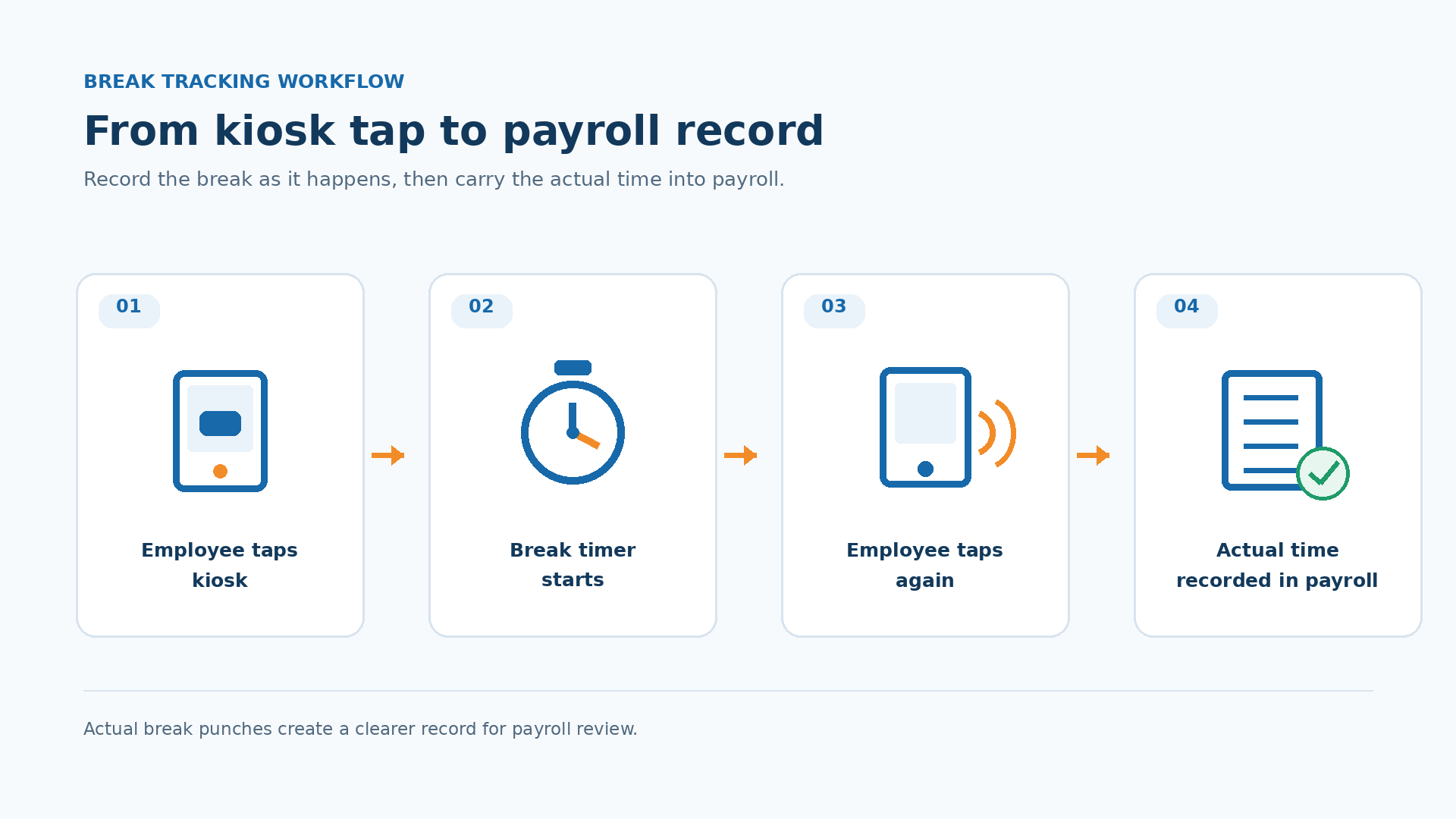
When someone doesn’t clock out for a break, the timesheet shows they worked straight through. The auto-deduction doesn’t erase that time, and no manager has to remember to reverse it manually. That record is what holds up in a DOL audit or a class action.
The kiosk also handles the awkward middle ground. Say a nurse started lunch but got called back after 12 minutes. The system records a 12-minute break, not 30 minutes. That’s the gap between an accurate timesheet and an FLSA violation.
For organizations running UKG, Workday, or ADP, hrPad integrates directly with the existing HCM platform. Switching from auto-deductions to actual break tracking doesn’t require replacing the entire tech stack.
Frequently asked questions
Is it illegal to auto-deduct meal breaks?
Not automatically. Auto-deduction is legal under the FLSA as long as the employee actually takes a full, uninterrupted meal break every time. The violation happens when the deduction is applied to shifts where the employee worked through lunch or had their break interrupted, and the employer doesn’t correct the timesheet. The more often breaks get missed, the riskier auto-deduction becomes.
Can employees waive their meal break?
Federal law doesn’t require employers to provide meal breaks at all. It just says if a break of 30+ minutes is provided and the employee is fully relieved of duty, it doesn’t have to be paid. Some states require meal breaks and have their own waiver rules. In California, for example, employees can waive a meal period if they work six hours or less. But waiving a break and auto-deducting one that was never actually taken are two different things.
How far back can employees sue for unpaid meal break time?
Under the FLSA, two years from the date of filing, or three years if the employer knew or should have known the practice was wrong (willful violation). State statutes vary. California allows four years for certain claims. When the FLSA’s liquidated damages provision kicks in, the employer pays double the back wages owed plus the employees’ attorney’s fees.

What is CloudApper AI Platform?
CloudApper AI is an advanced platform that enables organizations to integrate AI into their existing enterprise systems effortlessly, without the need for technical expertise, costly development, or upgrading the underlying infrastructure. By transforming legacy systems into AI-capable solutions, CloudApper allows companies to harness the power of Generative AI quickly and efficiently. This approach has been successfully implemented with leading systems like UKG, Workday, Oracle, Paradox, Amazon AWS Bedrock and can be applied across various industries, helping businesses enhance productivity, automate processes, and gain deeper insights without the usual complexities. With CloudApper AI, you can start experiencing the transformative benefits of AI today. Learn More
- Useful Links:
- Agentic AI
- No-Code/Low-Code
- Custom Software
- HCM Personalization
- iPaaS
- FedRAMP

Brochure
CloudApper hrPad
Empower Frontline Employees with an AI-Powered Tablet/iPad Solution
Download Brochure
CloudApper AI Solutions for HR

- Works with








- and more.
Similar Posts
How to Use Time Clock Photo Capture for Employee Dress…
How Far in Advance Do You Have to Post Employee…