Empower your deskless workforce with CloudApper hrPad—an AI-powered HR kiosk that simplifies time tracking, PTO, and HR support. Discover how this tablet-based solution boosts productivity, improves compliance, and reduces HR workloads for frontline teams.


Table of Contents
Over 80% of the global workforce is deskless, working without access to a computer or corporate email. These frontline employees power industries like manufacturing, retail, logistics, healthcare, and construction, yet they’re often underserved when it comes to HR technology and support. The result? Communication gaps, inefficient time tracking, and reduced productivity.
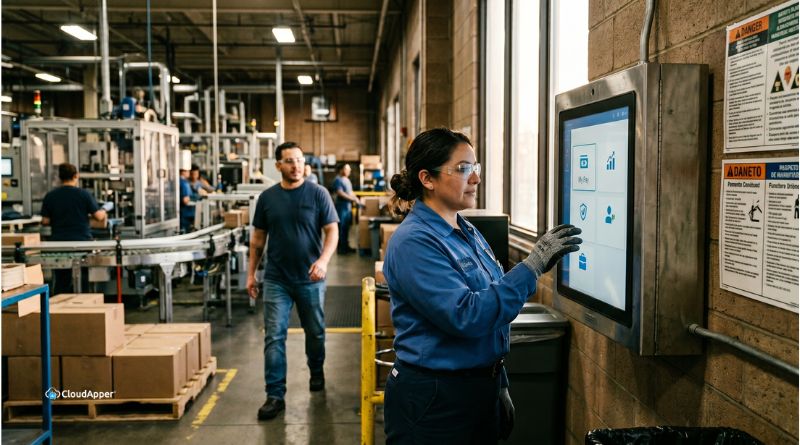
To close this digital divide, forward-thinking organizations are adopting employee self-service kiosks that provide instant access to critical HR functions. One such solution, CloudApper hrPad, is helping businesses boost deskless workforce productivity by turning any tablet into a smart, AI-powered HR kiosk. From touchless time tracking to 24/7 HR assistance, hrPad empowers frontline employees while reducing the burden on HR teams.
The Challenges of Managing a Deskless Workforce
Deskless workers face unique challenges that impact productivity and job satisfaction:
- Limited access to HR systems due to the lack of a desktop or company email
- Manual timekeeping and outdated attendance methods
- Communication gaps between employees and HR departments
- Delays in responding to HR queries such as PTO balances or shift changes
- Inefficient scheduling processes, especially in dynamic shift-based environments
Without digital tools, these bottlenecks can snowball into larger issues like payroll errors, low morale, compliance risks, and even loud quitting.
Did You Know?
Over 2.7 billion workers globally are considered deskless—that’s more than 80% of the total workforce! Yet, less than 1% of business software is designed specifically for them.
Why Self-Service Kiosks Are a Game-Changer
Employee self-service (ESS) kiosks provide a centralized and accessible platform for deskless workers to manage their day-to-day tasks independently. These kiosks simplify processes such as:
- Clocking in/out with Touchless Face ID
- Requesting time off and checking PTO balances
- Submitting shift bids or swapping shifts
- Getting answers to HR policy questions instantly via AI
- Participating in feedback surveys to boost engagement
By integrating these tools into a tablet-based kiosk, organizations eliminate the need for desktop access, reduce HR workload, and empower workers with real-time support.
Meet CloudApper hrPad: The Smart HR Kiosk for Deskless Employees
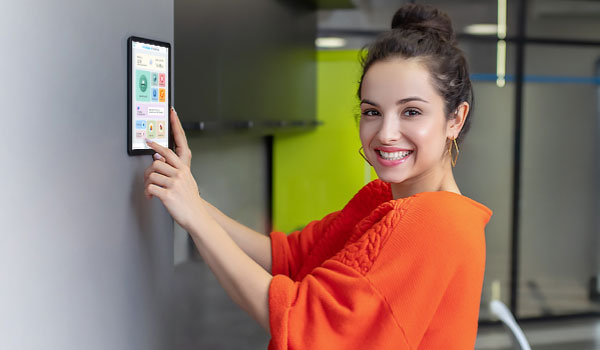
CloudApper hrPad is a purpose-built solution that reimagines the traditional time clock. Designed to run on any iOS or Android tablet, hrPad goes far beyond basic time tracking. It serves as a full-featured, AI-powered HR kiosk that automates workforce management tasks while enhancing the employee experience.
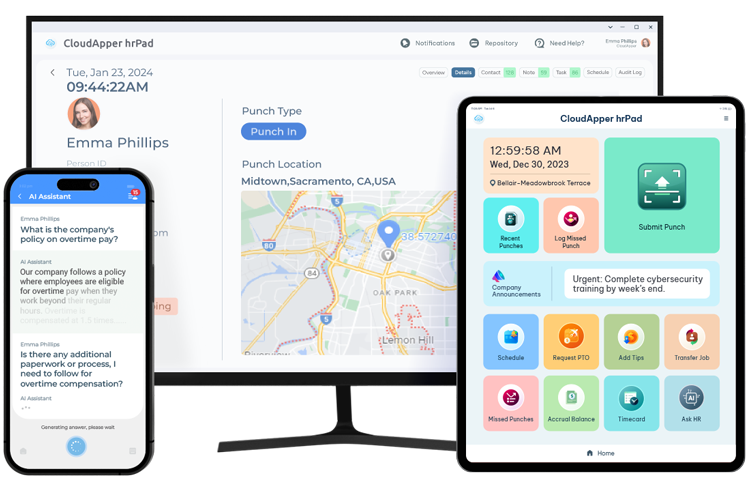
Here’s how CloudApper hrPad helps boost deskless workforce productivity:
1. AI-Powered HR Assistant – Available 24/7
Deskless workers can interact with hrPad’s conversational AI to get immediate answers to HR-related questions—any time of the day. Whether it’s policy clarification, benefit queries, or checking leave balances, hrPad reduces dependency on HR staff and speeds up issue resolution.
Fun Fact
CloudApper hrPad’s AI assistant can answer HR questions 24/7—even in the middle of the night—without involving an actual HR team member!
2. Smart Timekeeping with Facial Recognition
hrPad eliminates time theft and buddy punching through secure Touchless Face ID check-ins. This not only increases accountability but also streamlines payroll with accurate time tracking synced directly to leading HCM platforms like UKG, ADP, and Workday.
3. Geofencing and Cost Center Automation
For workers on the move, hrPad’s geofencing ensures they’re clocked in at the right location, automatically adjusting cost center allocations—perfect for industries like construction or logistics.
4. Automated PTO and Overtime Requests
hrPad enables employees to view accruals, request time off, and get approvals—all from a kiosk. The system also supports custom rules for overtime and complex payroll scenarios, reducing HR errors and disputes.
5. Employee Feedback and Engagement
Collecting feedback from deskless workers has never been easier. hrPad can run pulse surveys, mental well-being check-ins, and satisfaction polls—helping organizations stay connected to their workforce and address concerns proactively.
6. Union Compliance and Fair Payment
For unionized environments, accurate time records and compliance with labor laws are critical. hrPad helps employers ensure fair payment and proper recordkeeping, reducing legal risks and boosting trust among employees.
Did You Know?
Buddy punching (when coworkers clock in for each other) costs U.S. businesses an estimated $373 million annually. CloudApper hrPad’s Touchless Face ID eliminates this entirely.
Benefits That Go Beyond Productivity
By deploying CloudApper hrPad kiosks, businesses enjoy more than just a productivity boost:
- Reduced HR workload through automation
- Improved data accuracy for timekeeping and payroll
- Enhanced employee satisfaction and retention
- Better compliance with labor laws and policies
- Cost savings—up to 75% compared to traditional HR tools
Final Thoughts
In the evolving world of work, supporting your deskless workforce with the right technology is no longer optional—it’s essential. Employee self-service kiosks like CloudApper hrPad empower frontline employees with instant access to HR tools, automate repetitive tasks, and deliver an experience that drives satisfaction, efficiency, and retention.
Ready to revolutionize your deskless workforce productivity? Discover how CloudApper hrPad can transform your workplace today.

What is CloudApper AI Platform?
CloudApper AI is an advanced platform that enables organizations to integrate AI into their existing enterprise systems effortlessly, without the need for technical expertise, costly development, or upgrading the underlying infrastructure. By transforming legacy systems into AI-capable solutions, CloudApper allows companies to harness the power of Generative AI quickly and efficiently. This approach has been successfully implemented with leading systems like UKG, Workday, Oracle, Paradox, Amazon AWS Bedrock and can be applied across various industries, helping businesses enhance productivity, automate processes, and gain deeper insights without the usual complexities. With CloudApper AI, you can start experiencing the transformative benefits of AI today. Learn More
- Useful Links:
- Agentic AI
- No-Code/Low-Code
- Custom Software
- WorkBridge
- iPaaS
- FedRAMP
Brochure
CloudApper hrPad
Empower Frontline Employees with an AI-Powered Tablet/iPad Solution
Download Brochure
CloudApper AI Solutions for HR
- Works with


- and more.






Similar Posts
How to Configure Workday Vacation Accruals Based on Earnings and…
Pay Transparency Compliance at the Frontline: A Mid-Market HR Playbook