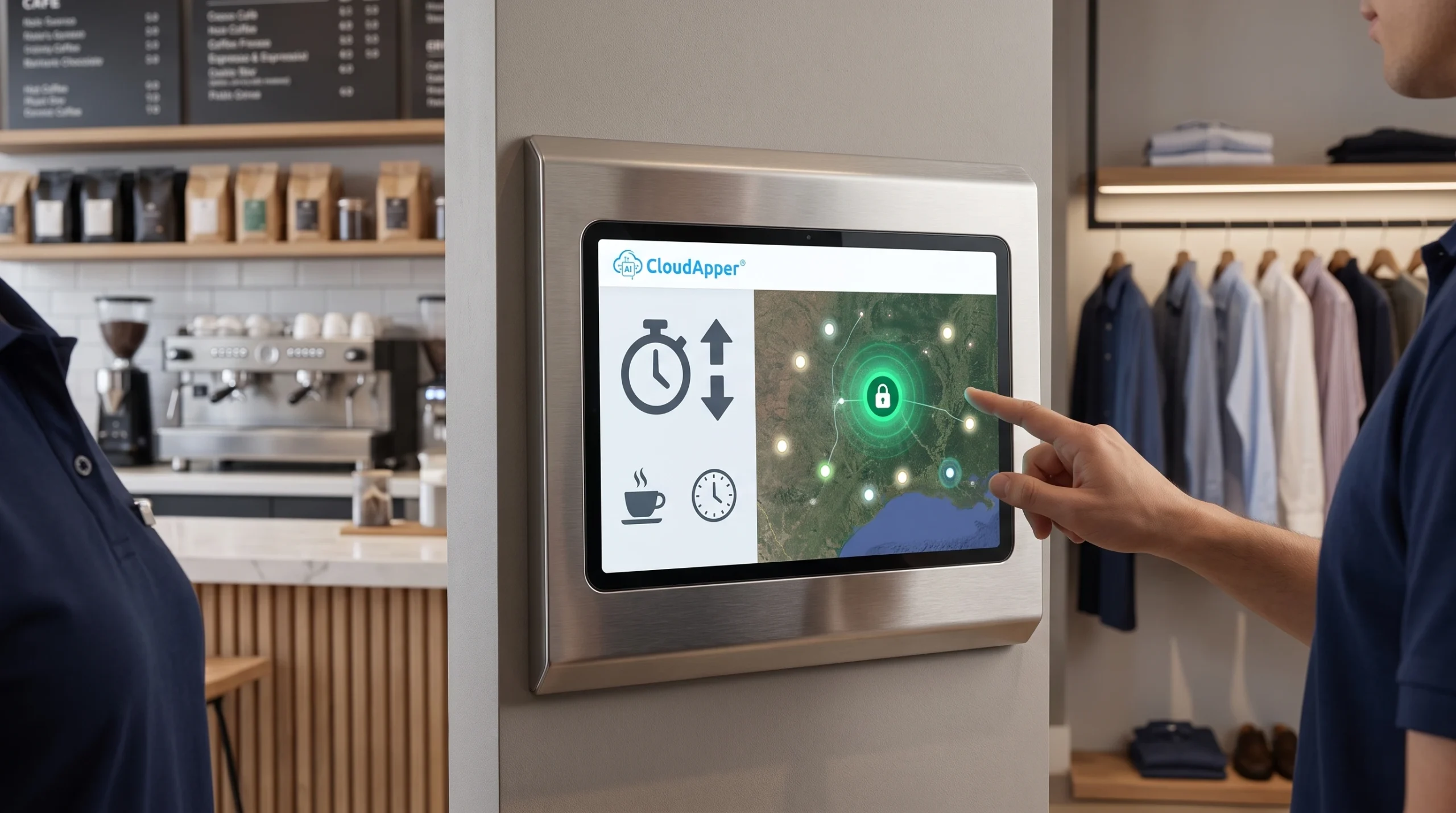
A practical, step-by-step path to rolling out flexible scheduling in manufacturing without losing compliance oversight — built around CloudApper AI TimeClock's flexible shift and compliance tracking.
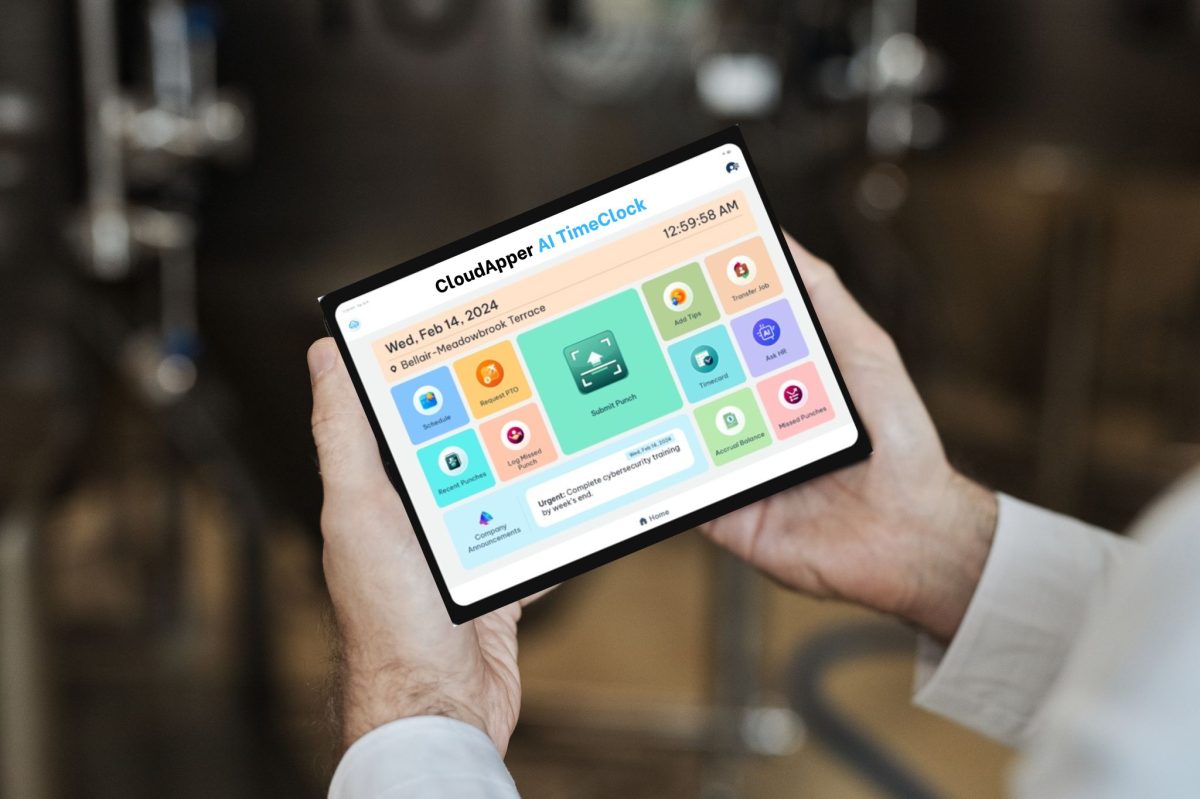
Table of Contents
- Step 1: Assess where flexibility is actually needed
- Step 2: Choose a system built for flexible shift models
- Step 3: Build shift templates that match labor law, not just operations
- Step 4: Digitize clock-in options for every work pattern
- Step 5: Automate the compliance rules, not just the scheduling
- Step 6: Train managers and employees on the actual workflow
- Step 7: Monitor attendance and compliance data, and adjust
Flexible work in manufacturing sounds simple until oversight and compliance enter the picture: part-time shifts, rotating schedules, and job-sharing are only sustainable if you can still track hours accurately, enforce break rules, and catch overtime before it becomes a compliance problem. Here’s a practical path to implementing it with CloudApper AI TimeClock.
Step 1: Assess where flexibility is actually needed
Start with data, not assumptions. Review current shift patterns, gather direct employee feedback, and identify which roles or shifts have the highest turnover. Flexible scheduling tends to have the biggest impact where turnover is highest and where rigid shift structures are the actual cause — not everywhere at once.

Step 2: Choose a system built for flexible shift models
Rotating shifts, part-time roles, and job-sharing all break time-tracking systems that assume a fixed schedule. CloudApper AI TimeClock is built to handle flexible shift models with real-time visibility, so managers can see who’s clocked in against their actual assigned pattern rather than a static roster.
Step 3: Build shift templates that match labor law, not just operations
Define templates for part-time, rotating, or job-share roles, and check each one against applicable labor law and internal policy before rolling it out — particularly break requirements and overtime thresholds, which vary by state and can be easy to miss when a schedule changes from a fixed pattern to a flexible one.
Step 4: Digitize clock-in options for every work pattern
Flexible schedules often mean employees clock in from different locations or shifts than a fixed roster assumes. CloudApper supports mobile and kiosk-based clock-in, so accurate time capture doesn’t depend on employees being at one specific station at one specific time.
Step 5: Automate the compliance rules, not just the scheduling
Configure the system to monitor break times, hours worked, and overtime automatically, and flag potential issues in real time rather than at the end of a pay period, when the only options left are manual corrections.
Step 6: Train managers and employees on the actual workflow
Flexible scheduling only works if managers and employees both know how to use the system — checking schedules, submitting time-off requests, and understanding how their specific shift template works. Skipping this step is where flexible-work rollouts tend to generate confusion rather than the intended flexibility.
Step 7: Monitor attendance and compliance data, and adjust
Use attendance and compliance data to evaluate whether the new shift patterns are working as intended — are break rules being followed, is overtime trending up or down, are the highest-turnover shifts actually seeing improvement. Adjust shift templates based on what the data shows rather than treating the initial rollout as final.
FAQ
Does flexible scheduling make compliance harder to manage?
It can, if tracked manually. Automating break-time, overtime, and hours-worked monitoring is what keeps flexible schedules from becoming a compliance blind spot.
What’s the biggest risk in rolling out flexible work in manufacturing?
Skipping the labor-law review on new shift templates before rollout. Part-time, rotating, and job-share patterns each interact differently with break and overtime rules by state.
See CloudApper AI TimeClock’s flexible shift and compliance features, or book a demo to plan your rollout.

What is CloudApper AI Platform?
CloudApper AI is an advanced platform that enables organizations to integrate AI into their existing enterprise systems effortlessly, without the need for technical expertise, costly development, or upgrading the underlying infrastructure. By transforming legacy systems into AI-capable solutions, CloudApper allows companies to harness the power of Generative AI quickly and efficiently. This approach has been successfully implemented with leading systems like UKG, Workday, Oracle, Paradox, Amazon AWS Bedrock and can be applied across various industries, helping businesses enhance productivity, automate processes, and gain deeper insights without the usual complexities. With CloudApper AI, you can start experiencing the transformative benefits of AI today. Learn More
- Useful Links:
- Agentic AI
- No-Code/Low-Code
- Custom Software
- HCM Personalization
- iPaaS
- FedRAMP
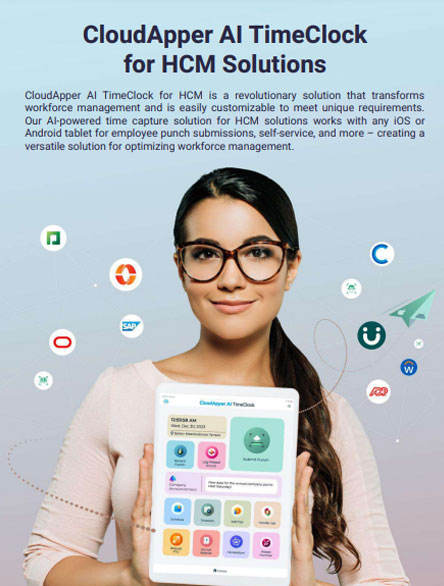
Brochure
CloudApper AI TimeClock
For accurate & touchless time capture experience.
Download Brochure
CloudApper AI Solutions for HR

- Works with







- and more.
Similar Posts
Credential and License Expiration Tracking: Alerting Supervisors and Blocking Clock-In…

Why Frontline Employers Need an AI Time Clock to Prove…